Dannebrog: the 1219 legend and what the documents say
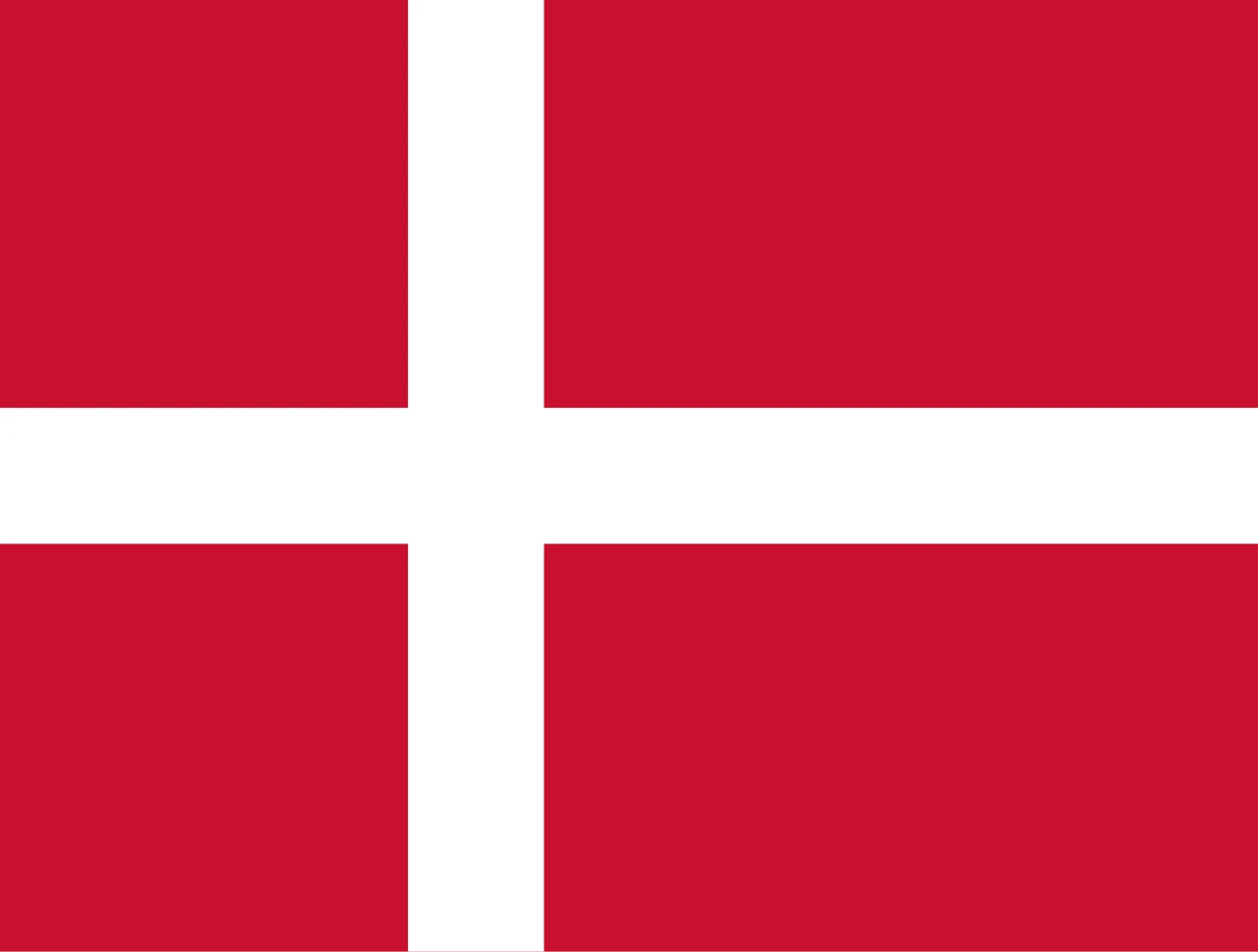
The flag of Denmark is linked to a battle in 1219, but the legend is late. What is known from documents, what is tradition and what «the oldest» means.

Articles on the history and use of flags.
The flag of Denmark is linked to a battle in 1219, but the legend is late. What is known from documents, what is tradition and what «the oldest» means.

The five principles of a good flag, explained in plain words with examples: simplicity, symbolism, few colours, no lettering or seals, and being distinctive.
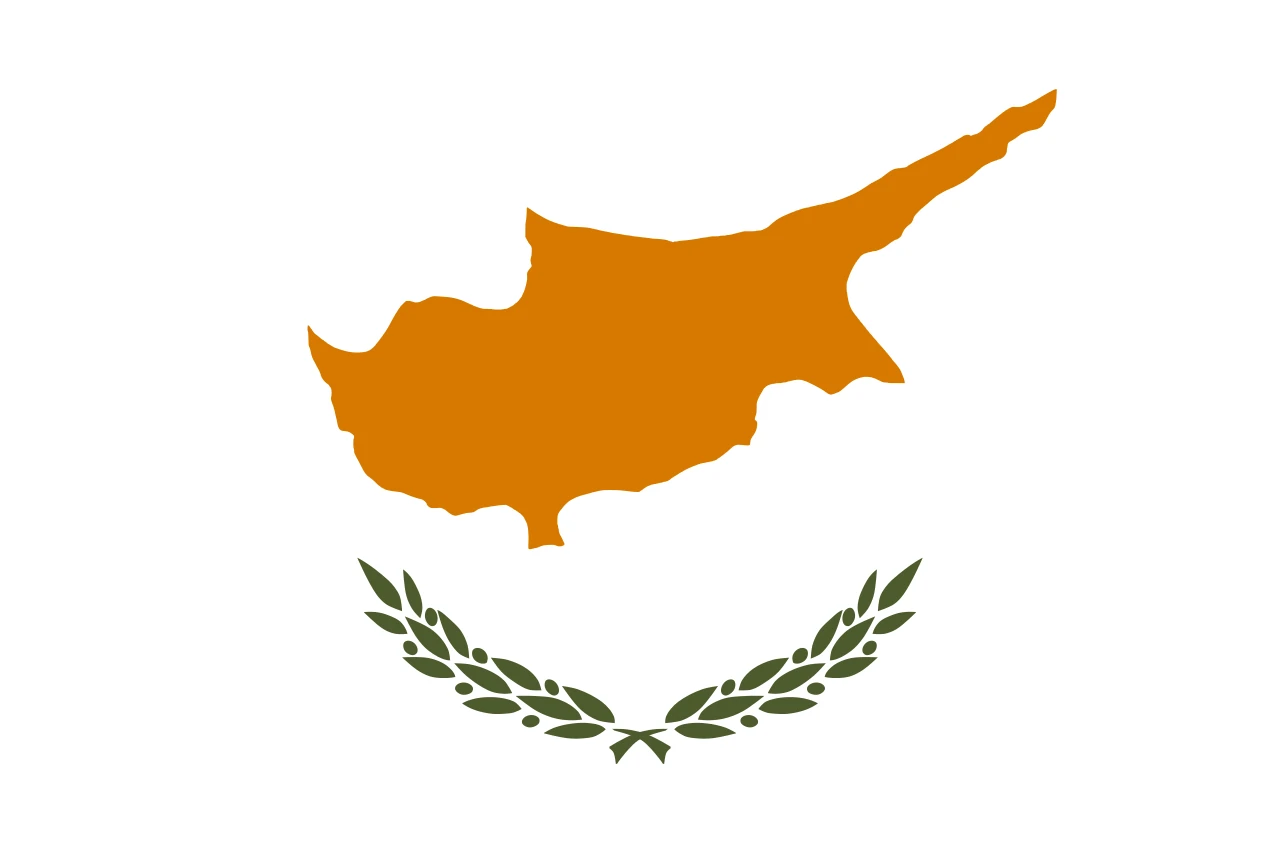
The flag of Cyprus, the “copper island”: why it is neutral, who designed it, what it represents, how it changed in 2006 and why the Annan Plan would have changed it.

How a flag is put into mourning: at half-mast or with a black crepe. Who decides, how low it is lowered, the exceptions and some fun facts.

Sheldon Cooper, the Big Bang Theory character who loves vexillology, and his video podcast Fun with Flags: when it appears in the series and what is real about it.

United Kingdom, Great Britain or England? A simple guide so you do not mix them up, with the flags of the four countries, the Crown Dependencies and the Union Jack.

What the FIAV is, the federation that brings together the world’s vexillology associations: how it began, how it works, its flag, its congresses and its awards.

Hoist, fly, canton, field… The parts of a flag explained in plain words, with their Spanish equivalents and fun facts.

Who the Neturei Karta are, the Haredi group that does not recognise the State of Israel for religious reasons: what they argue, how many they are and how others see them.

The Thin Blue Line is a symbol used by the police to commemorate fallen officers, widespread in the United States and Canada.

Have you ever wondered why Colombia, Venezuela and Ecuador share the same pattern on their national flags? Because long ago they were one and the same country.

The Jolly Roger and pirate flags: where the name comes from, what the black and red flags meant, how they were used, the designs of famous pirates and women pirates.

Guinness Rishi, a man from New Delhi with hundreds of flags tattooed on his body: who he is, where his name comes from, his records and which ones are certified.

The Amazigh flag: who the Amazigh or Berbers are, what their colours and the letter yaz mean, when it became official and what Yennayer, their New Year, is.

The flag of the Philippines is the only one that can show whether the country is at war just by its position. What it means, its history, the blue and the rules of use.

It is probably little known, but the Cuba of Fidel Castro and Che Guevara began to put an end to South African apartheid and to colonialism in Africa.

All the Formula 1 flags explained in plain words: green, yellow, red, blue, white, black, chequered… and what each means for the driver.

Why the flags of the British Empire are red, blue and white, what each part means and how to read a colonial flag. With the flags of all its colonies.

Is there a flag of the Earth? Officially no, but there are many proposals: the Earth Day flag, Cadle’s, Pernefeldt’s… We go through them in chronological order.

The Hinomaru, Japan’s national flag, represents the sun. Its history, the difference from the Kyokujitsu-ki (rising sun flag) and why the latter is controversial.
This website would like to use third-party cookies to analyse how the site is used. None will be set unless you accept. More information
We also count visits anonymously and without cookies. You can object in Settings. How it works