Colonial flags of the British Empire
Why the flags of the British Empire are red, blue and white, what each part means and how to read a colonial flag. With the flags of all its colonies.

If you look closely at the flags of Australia, New Zealand, Fiji or the Cayman Islands, you will notice they look alike: a blue background, the British flag in the top corner next to the pole, and a drawing on the right. This is no coincidence. They were all born inside the British Empire, the largest empire in history. Around 1922, at its greatest extent, it covered more than 35 million square kilometres and some 450 million people: almost a quarter of the planet’s land and population. What held it together was above all the most powerful fleet of its time, the Royal Navy. And since ships are what carry flags, the empire’s flag system was born at sea.

In this article we explain, step by step and without jargon, why there are red, blue and white flags, what each part means and how to read a colonial flag at a glance.
The short answer
All the empire’s territories, colonies and protectorates used the same “recipe”: the British flag in one corner, a background colour and a symbol of their own. The background colour showed who was flying the flag:
- Red: ships and civilians (above all merchant ships, the ones that carry goods and passengers).
- Blue: the government and public service, such as a colony’s official vessels.
- White: the navy, the Royal Navy.

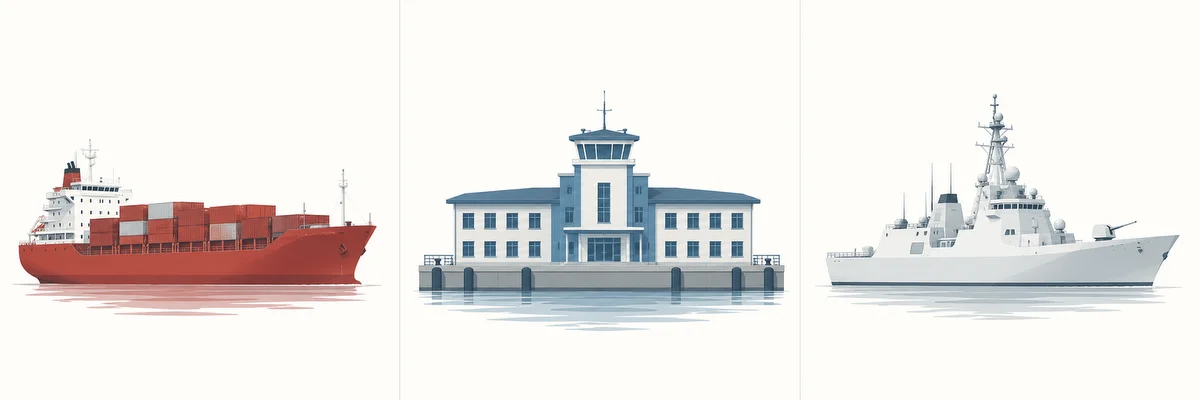
Red, trade; blue, government; white, war.
A rule to remember it: red = trade, blue = government, white = war.
Why exactly these three colours?
To understand this, we have to go back to the 16th and 17th centuries. In the time of Elizabeth I (1558–1603), the English fleet was organised into three groups of ships called “squadrons”: red, white and blue. Each squadron had its own admiral, and the three were ranked in that same order (red, white, blue). Each squadron flew a flag of its colour. It was a very practical way of knowing, even from far away and through the smoke of a battle, which group each ship belonged to.
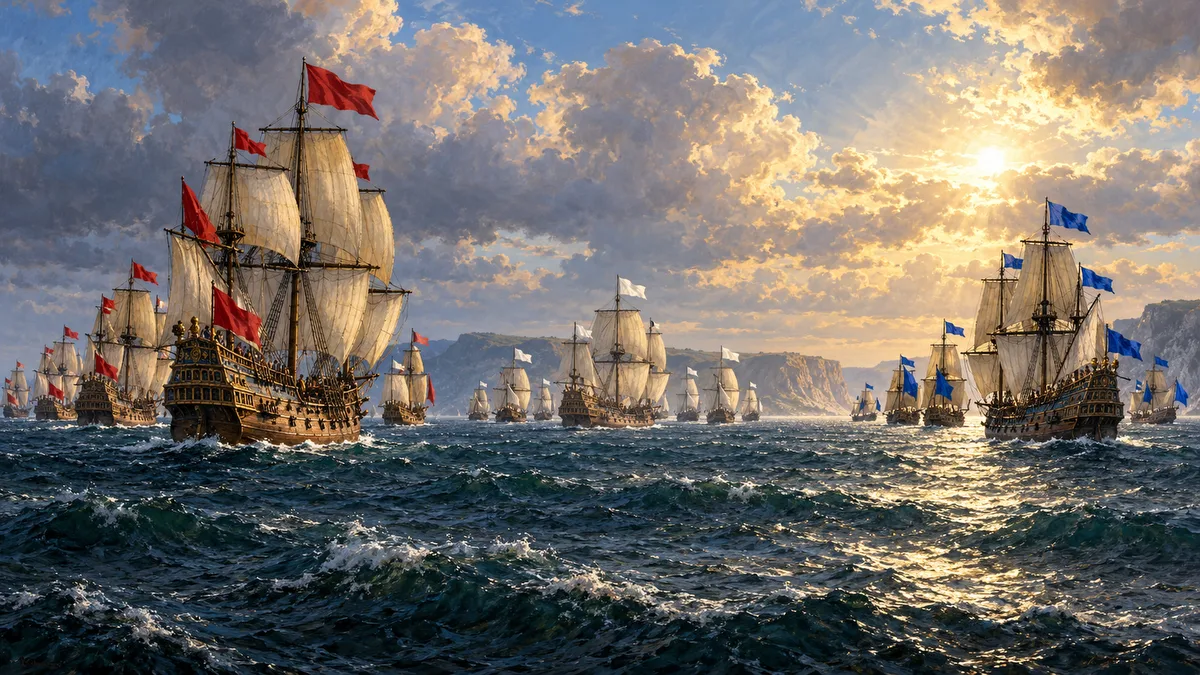
Illustration: the three squadrons, red, white and blue, each with its own colour.
Over the centuries, the admiral ranks of the squadrons lost their meaning and were abolished in 1864, the year the Royal Navy put things in order. Until then, warships and merchant ships had mixed up the colours. An official order that year divided the three flags clearly:
- Red Ensign: for merchant ships.
- White Ensign: only for the Royal Navy, the fighting fleet.
- Blue Ensign: for ships in the service of the State that were not warships, and for those commanded by a naval reserve officer.
In other words, they stopped being “squadron” colours and became “job” colours. And that is how they reached the colonies.
And the colonies? Why blue
The colonies were neither warships nor trading ships: they were territories governed by the United Kingdom. So, from the 1860s onwards, the Admiralty gave them the Blue Ensign, the public-service one, to which each colony added an emblem of its own. In practice, blue became “the colour of colonial government”. The merchant ships of those same colonies, on the other hand, flew the Red Ensign, also with their emblem, once they had the necessary permit. And white stayed reserved for the fighting navy.
This is why there are far more blue colonial flags than red or white ones, and why many of the territories that still depend on the United Kingdom keep a blue flag with their coat of arms today.
How to read a colonial flag
Almost all of them follow the same design. To understand them, look at three things:
- The canton (the top corner next to the pole, the part by which the flag is attached): it carries the British flag, the Union Jack. It shows that the territory belongs, or belonged, to the British “family”.
- The background colour: red, blue or white, as we have just seen.
- The emblem on the right, called a “badge”: the colony’s own symbol (an animal, a shield, a landscape…). It usually sits on a white circle, though not always. It is the only thing that changes from one colony to another.
For example: on the colonial flag of Gibraltar you can see the city’s castle on a white circle; on Uganda’s, a crowned crane; on Kenya’s, a lion. Same design, different emblem.
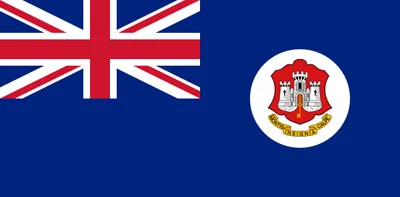
Gibraltar: a castle
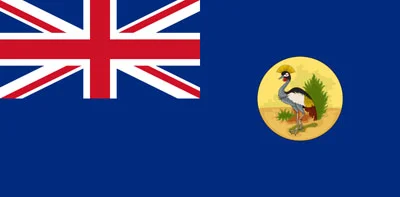
Uganda: a crowned crane
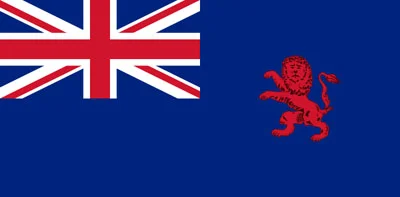
Kenya: a lion
The Union Jack: the flag that is in all of them
The top corner of all these flags is the flag of the United Kingdom, which was formed by joining the crosses of three patron saints:
- Cross of St George (red on white): England.
- Cross of St Andrew (white saltire on blue): Scotland. It was joined to England’s in 1606, when one king, James VI of Scotland and I of England, reigned over both countries.
- Cross of St Patrick (red saltire on white): Ireland. It was added on 1 January 1801, when Ireland joined the United Kingdom.

How the Union Jack is formed: St George + St Andrew + St Patrick.
Union Jack or Union Flag? Both are used. “Jack” is the name of the small flag flown at a ship’s bow, and over time it came to name the whole flag. In 1902 the Admiralty said that either name could be used.
How the system changed over time
- 19th century: the empire grows and every colony, protectorate and dominion receives its own ensign with its own emblem. The dominions (Canada, Australia, New Zealand, South Africa…) governed themselves, and some adopted a red ensign with their coat of arms as a de facto flag.
- Canada: the Canadian Red Ensign was used informally from Confederation in 1867, was official for merchant ships from 1892, and remained the de facto flag until the maple leaf appeared in 1965.
- South Africa: between 1910 and 1928 it used a red ensign with its shield as a de facto flag, until a flag of its own was approved.
- Australia and New Zealand: they kept the Blue Ensign and added their Southern Cross stars. Today they are the national flags of both countries.
- 20th century: after the Second World War independence arrives (India in 1947, Ghana in 1957, and many more). Most new countries dropped the Union Jack and designed a flag of their own.
- 1997: Hong Kong, one of the last big colonies, passed to China, and its colonial flag fell out of use.

Canada (1957–1965)

South Africa (red ensign)
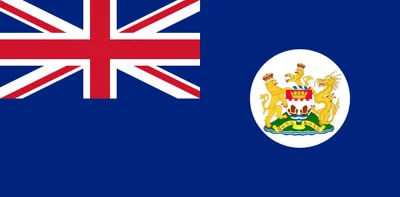
Hong Kong (colonial flag)

Australia

New Zealand
The flags, group by group
Below are the colonial flags and others related to the empire, sorted by type of ensign and, within each group, in alphabetical order.
Red ensign flags

Flag of Bermuda

Flag of colonial India

Flag of the Australian merchant navy
Flag of Canada (1957–1965)

Flag of the Cayman Islands

Flag of Manitoba

Flag of Ontario

Flag of colonial Palestine

Flag of Samoa
Flag of colonial South Africa

Flag of Tanganyika

Flag of Newfoundland
Blue ensign flags
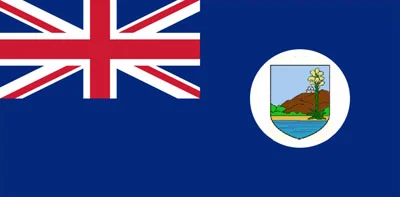
Flag of Antigua
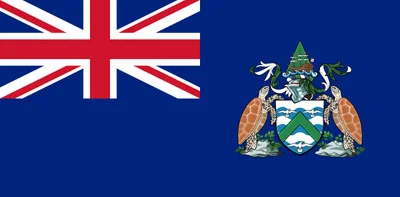
Flag of Ascension
Flag of Australia
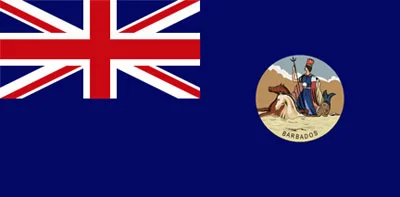
Flag of Barbados
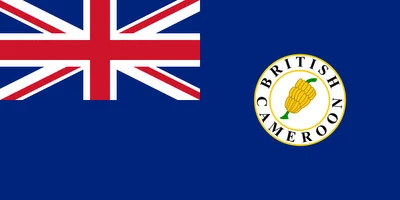
Flag of British Cameroons
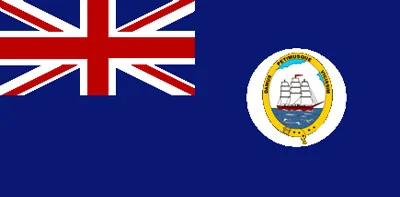
Flag of British Guiana
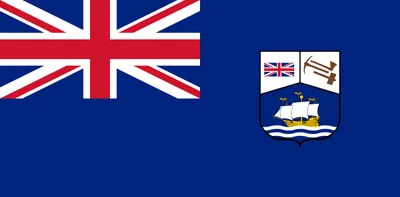
Flag of British Honduras
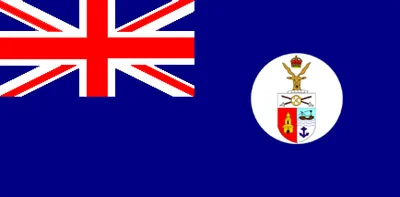
Flag of British Somaliland
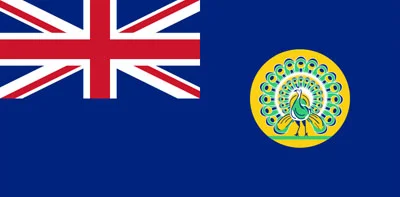
Flag of Burma
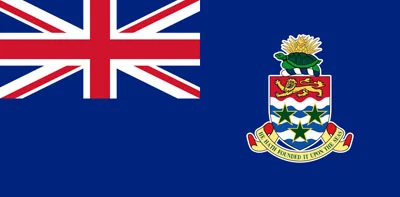
Flag of Cayman Islands
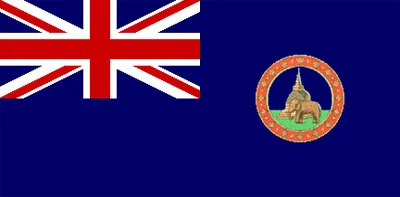
Flag of Ceylon
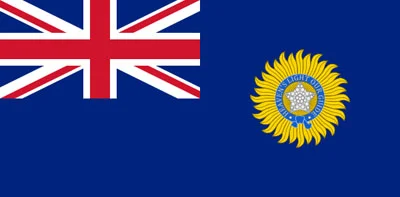
Flag of Colonial India
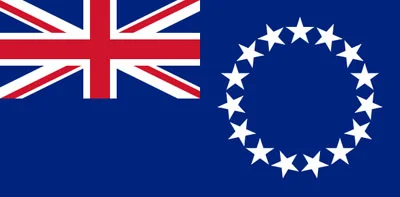
Flag of Cook Islands
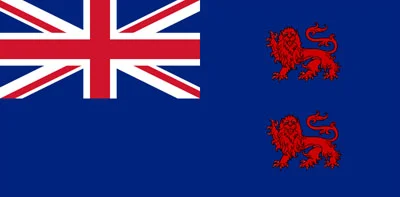
Flag of Cyprus
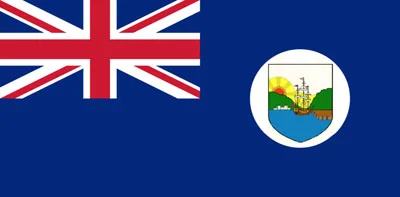
Flag of Dominica
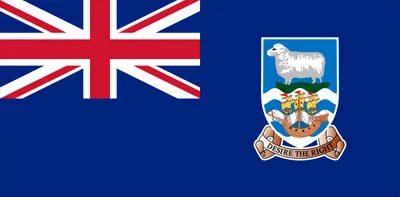
Flag of Falkland Islands
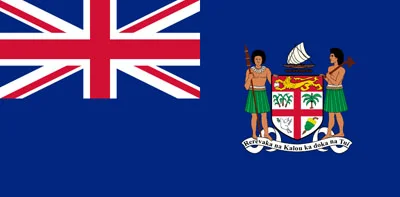
Flag of Fiji
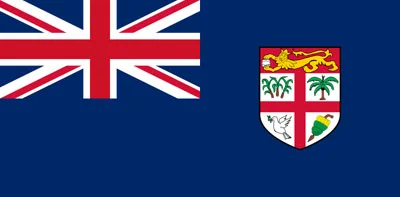
Flag of Fiji (governor)
Flag of Gibraltar
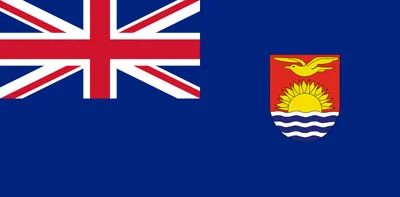
Flag of Gilbert and Ellice Islands
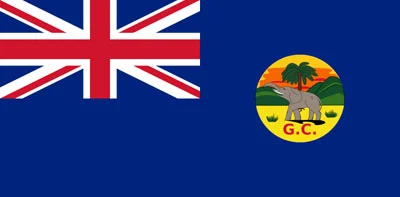
Flag of Gold Coast (Ghana)
Flag of Hong Kong
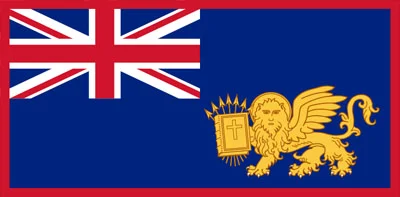
Flag of Ionian Islands
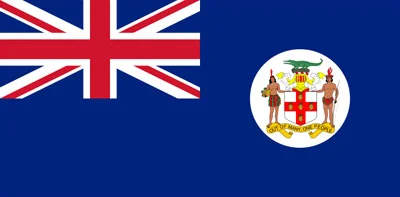
Flag of Jamaica
Flag of Kenya
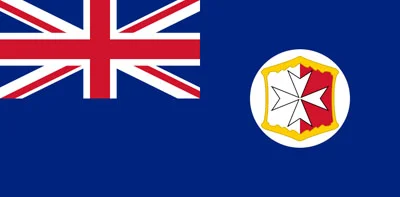
Flag of Malta
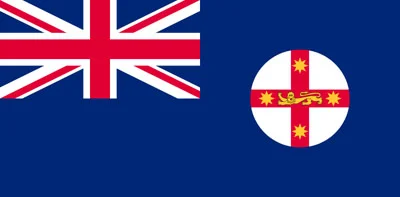
Flag of New South Wales (Australia)
Flag of New Zealand
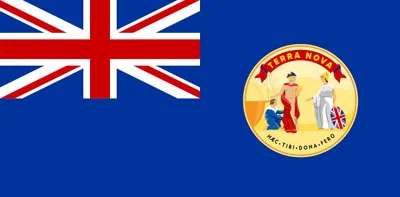
Flag of Newfoundland
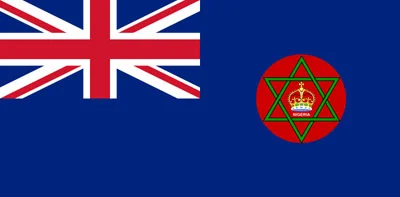
Flag of Nigeria
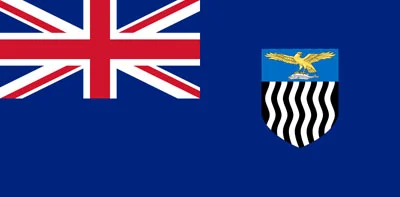
Flag of Northern Rhodesia
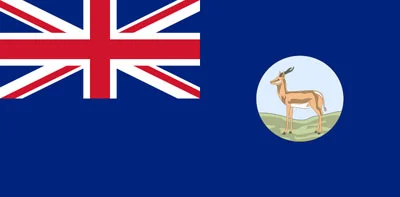
Flag of Orange River Colony
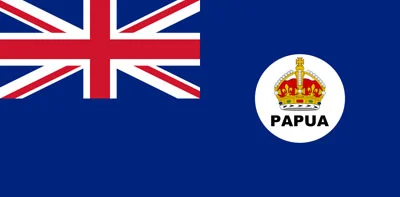
Flag of Papua
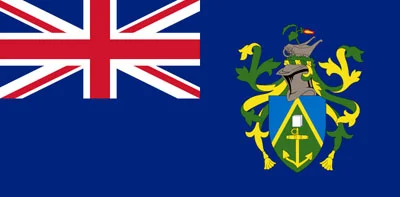
Flag of Pitcairn Islands
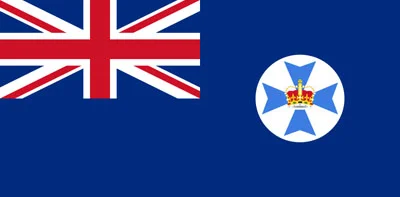
Flag of Queensland
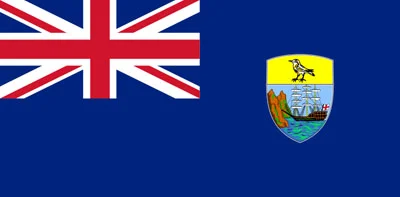
Flag of Saint Helena
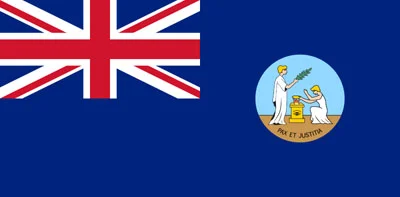
Flag of Saint Vincent and the Grenadines
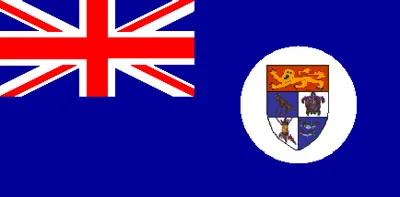
Flag of Solomon Islands
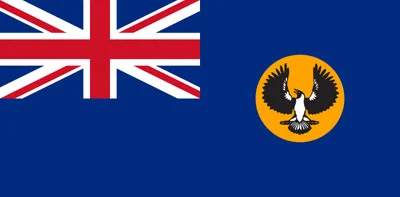
Flag of South Australia
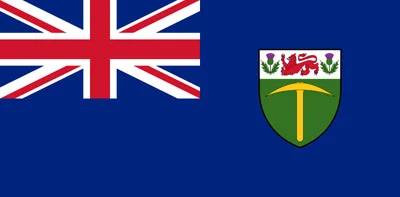
Flag of Southern Rhodesia
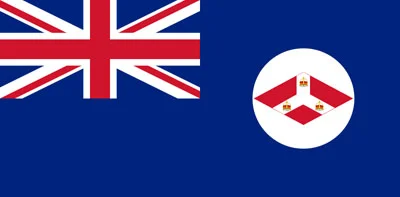
Flag of Straits Settlements (Singapore)
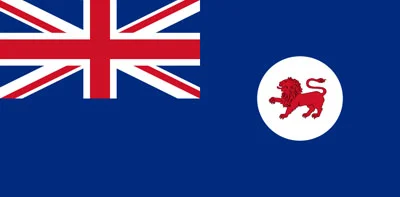
Flag of Tasmania
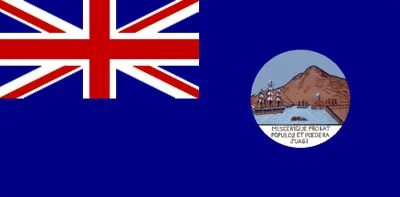
Flag of Trinidad and Tobago
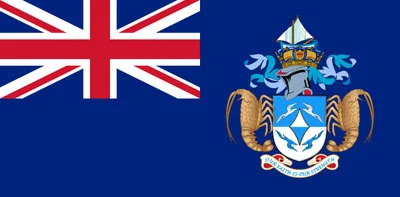
Flag of Tristan da Cunha
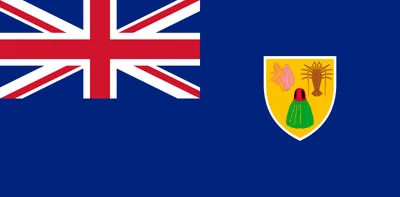
Flag of Turks Islands
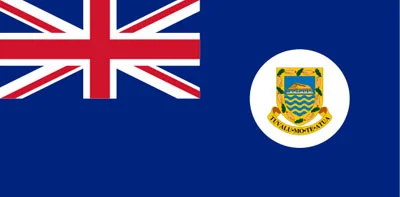
Flag of Tuvalu
Flag of Uganda
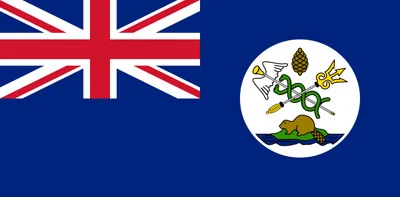
Flag of Vancouver Island
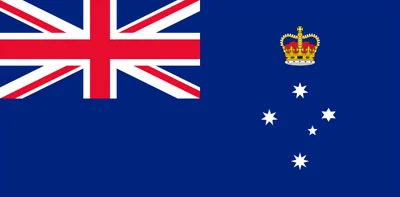
Flag of Victoria (Australia)
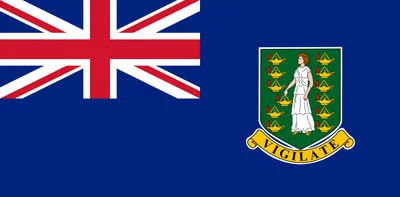
Flag of Virgin Islands
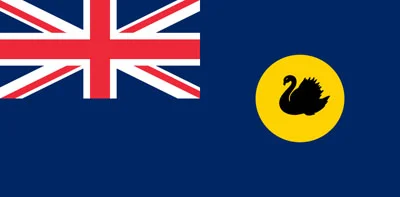
Flag of Western Australia
These also flew the blue ensign:
- Borneo
- Cape Colony (South Africa)
- Montserrat
- Nyasaland
White ensign flags
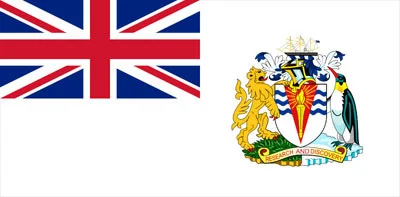
Flag of British Antarctic Territory
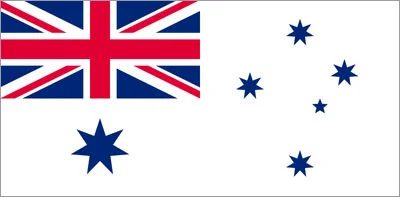
Naval ensign of Australia
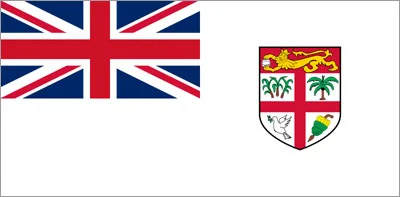
Naval ensign of Fiji
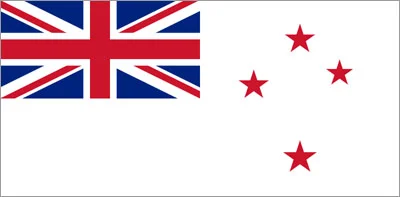
Naval ensign of New Zealand
Flags of other colours

Flag of Australian aviation

Flag of the Royal Australian Air Force

Flag of United Kingdom civil aviation
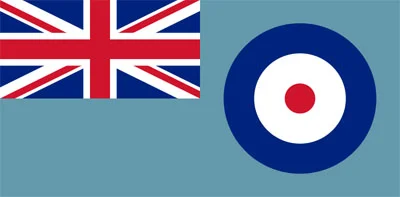
Flag of the Royal Air Force of the United Kingdom

Flag of Fiji

Flag of Fiji civil aviation
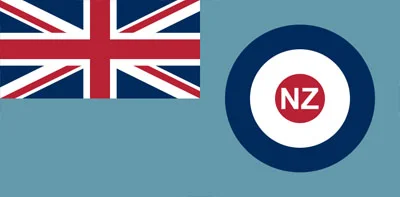
Flag of the Royal New Zealand Air Force

Flag of New Zealand civil aviation

Flag of Tuvalu

Flag of Rhodesia

Flag of British Columbia (Canada)

Flag of the Mosquito Coast (Nicaragua)

North American colonial flag (Grand Union)

Flag of the state of Hawaii (USA)

Flag of the island of Heligoland (Germany)
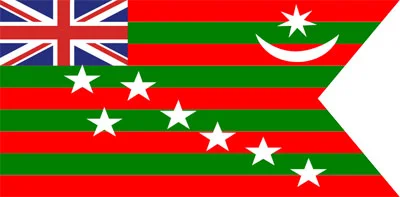
Flag of self-government in India

Flag of the East India Company

Flag of Ireland

Flag of Niue
What happened to these flags?
When a colony became independent, it had three paths:
- Keep the design and swap the emblem for national symbols. This is the case of Australia, New Zealand, the Cook Islands, and also Fiji and Tuvalu, which use a lighter blue (sky blue).
- Remove the Union Jack and create a new flag, as most countries in Africa and Asia did. Ghana, for example, abandoned its old Gold Coast flag.
- Keep the colonial flag because the territory still depends on the United Kingdom.
Gold Coast (British colony)
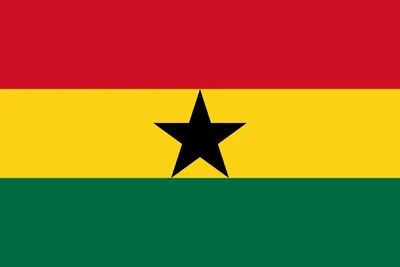
Ghana (today)
Fiji (today)
Tuvalu (today)
Cook Islands (today)
Some of these flags are still officially used today, for example in the state of Hawaii, Montserrat (a British overseas territory), Fiji, Australia or New Zealand. In New Zealand two referendums on the flag were held (2015 and 2016) because for many of its inhabitants it recalls the colonial era; in the second, in March 2016, 56.6% voted to keep the current flag. In Fiji there has also been debate about removing the Union Jack from its flag.
The British overseas territories today
Today there are 14 British overseas territories. Until 1982 they were called “Crown colonies”; from 1983 to 2002 they were “dependent territories”, and since the 2002 Act they have been called “overseas territories”:

Akrotiri and Dhekelia (Union Jack)
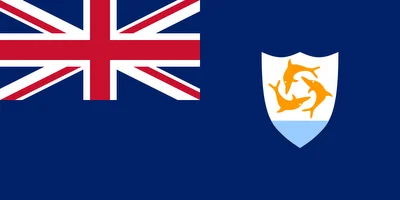
Anguilla
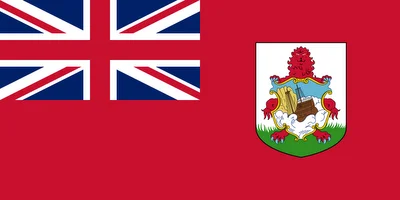
Bermuda
British Antarctic Territory
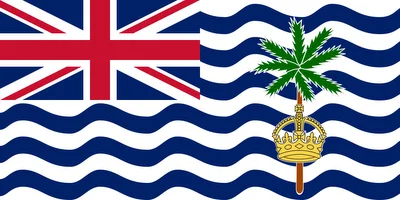
British Indian Ocean Territory
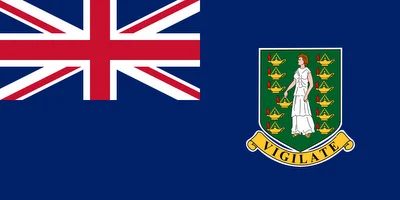
British Virgin Islands
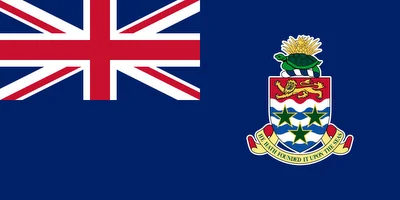
Cayman Islands
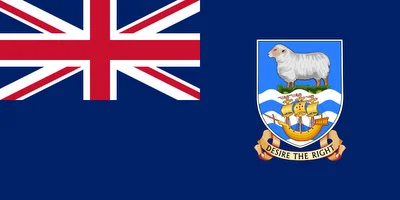
Falkland Islands
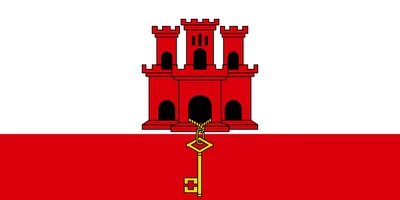
Gibraltar
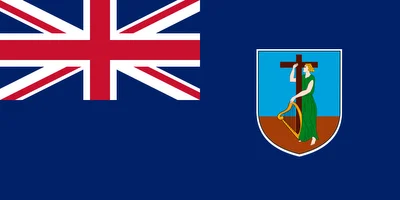
Montserrat
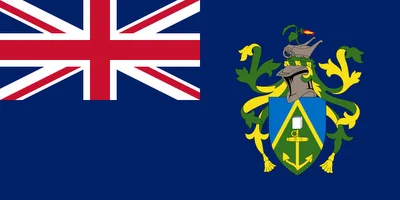
Pitcairn Islands
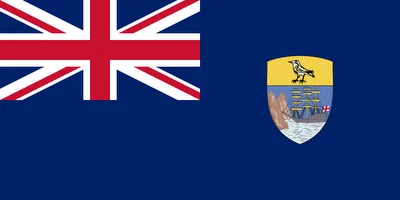
Saint Helena, Ascension and Tristan da Cunha (flag of Saint Helena)
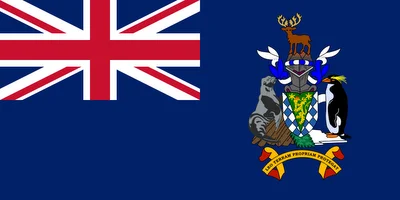
South Georgia and the South Sandwich Islands
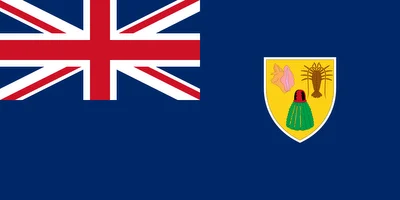
Turks and Caicos Islands
Several of them, such as Anguilla, the British Virgin Islands, the Cayman Islands, the Falkland Islands, Montserrat, the Pitcairn Islands, Saint Helena (with Ascension and Tristan da Cunha), South Georgia and the Turks and Caicos Islands, keep a blue flag with their coat of arms, the same system as over a century ago. Bermuda uses a red ensign, and the British Antarctic Territory a white ensign with its coat of arms, the only case of a white ensign in an overseas territory.
Fun facts
- The first flag of the United States carried the Union Jack. Between 1776 and 1777, the “Continental Union Flag” used the British flag of 1606 in its corner, with thirteen red and white stripes. It is the one shown in this article as the “Grand Union”.
- The Union Jack has a top and a bottom. In the upper quarter next to the pole, the wide white stripe of the diagonal must sit above the red one; if not, the flag is upside down. And turning it round does not help: you have to flip it over.
- Canadian flags that still carry the red ensign: Manitoba’s (official since 1966) and Ontario’s (since 1965) keep the design of the old Canadian Red Ensign.
- The first Union Jack in Australia was raised at Sydney Cove in 1788, by Captain Phillip.
- The only white ensign of an overseas territory, that of the British Antarctic Territory, is not used at sea.
The Grand Union, the first US flag
Manitoba, with the red ensign
Quick glossary
- Ensign: a flag that identifies a ship.
- Canton: the top corner of the flag, next to the pole.
- Pole (or staff): the pole that holds the flag.
- Badge: the emblem of each colony.
- Dominion: a colony that governed itself, such as Canada or Australia.
- Protectorate: a territory that kept its own rulers but depended on the United Kingdom for defence and foreign affairs.
- Commonwealth: a voluntary association of countries, almost all of them former British colonies.