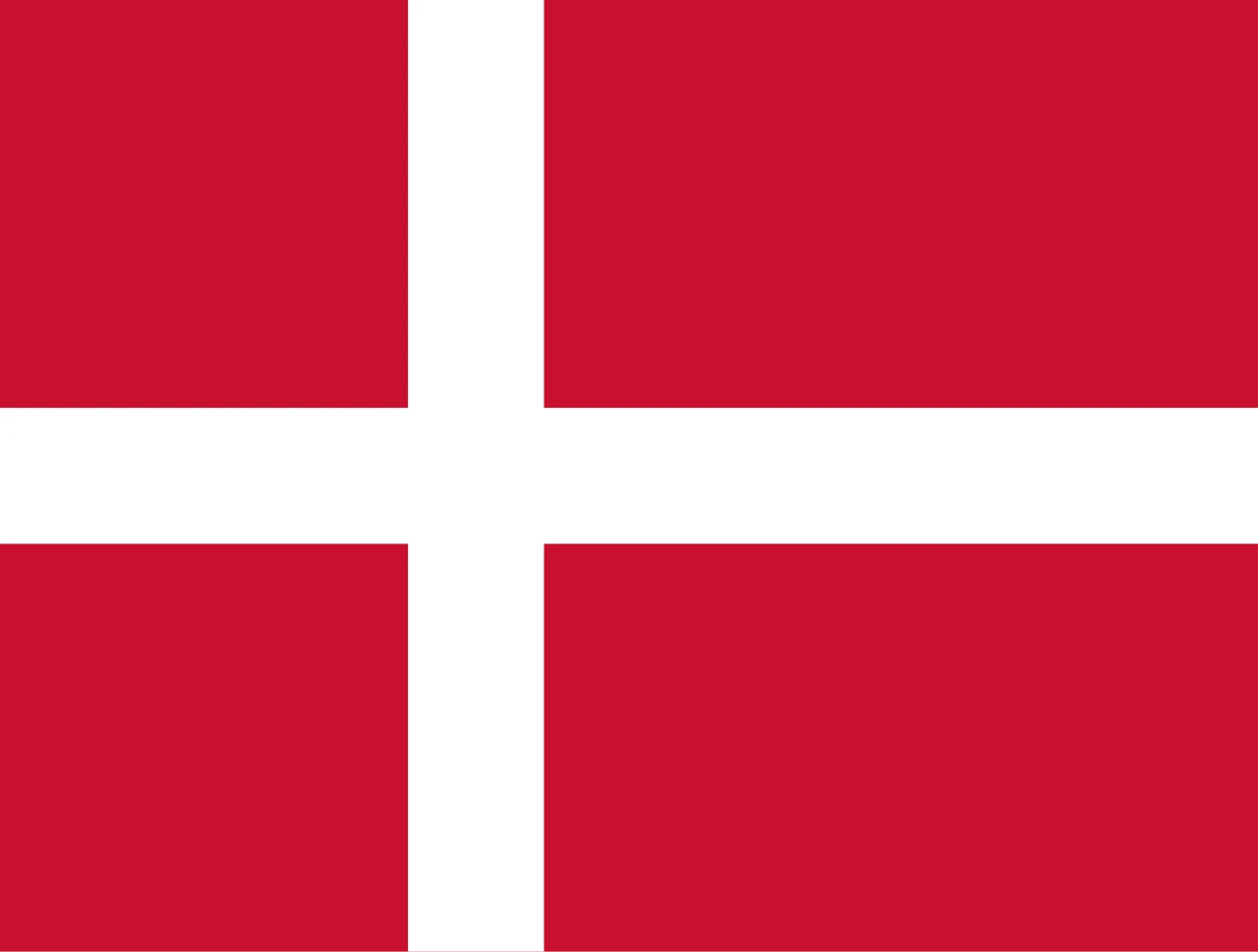
The flag of Cyprus: a copper island and two olive branches
The flag of Cyprus, the “copper island”: why it is neutral, who designed it, what it represents, how it changed in 2006 and why the Annan Plan would have changed it.
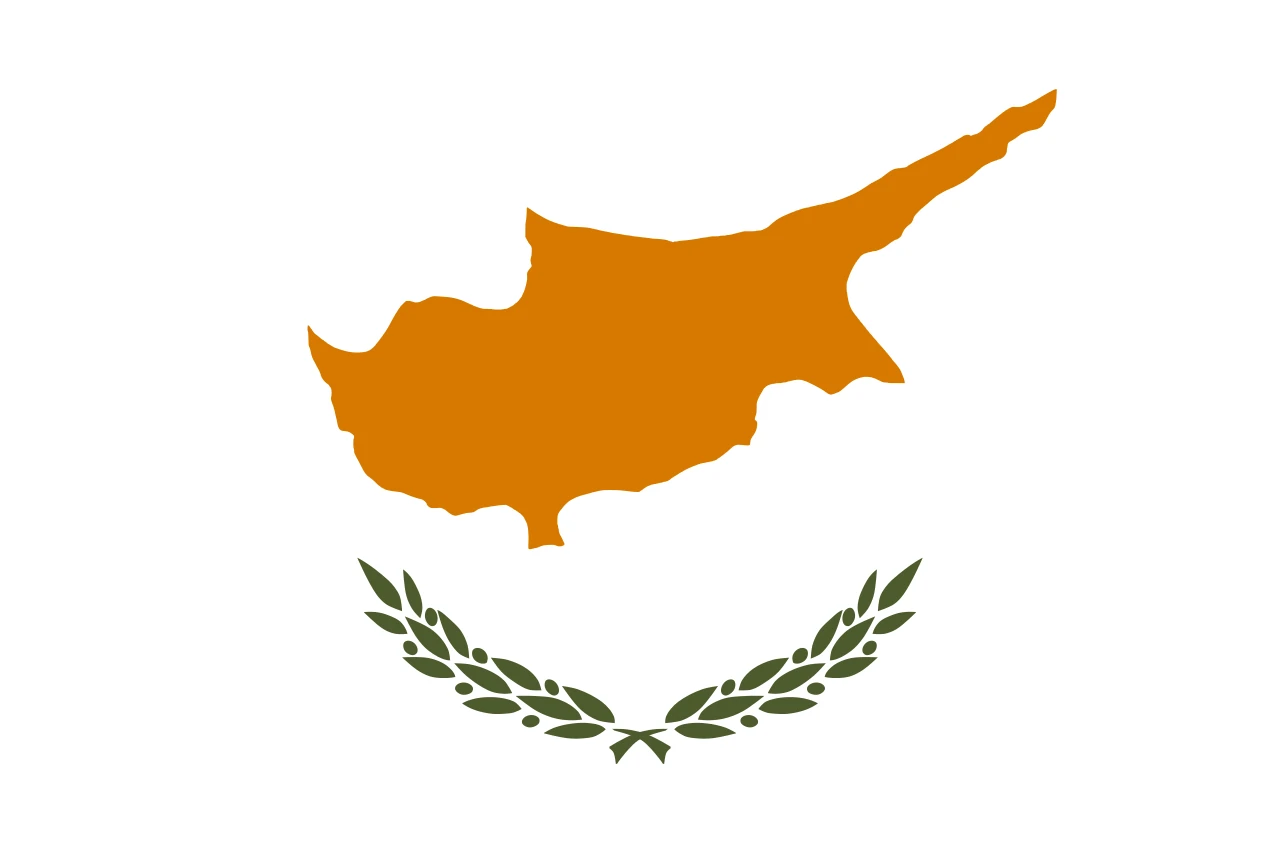
The flag of Cyprus has a peculiarity: it uses none of the colours of the flags of Greece or Turkey, and it has no cross or crescent. It is a conscious design decision, linked to the island’s independence; the island is now divided in two. We tell you how it was created, what it means and why it is so “neutral”.
Flag of Cyprus.
The short answer
- What it shows: the silhouette of the island in copper colour, above two olive branches, on a white background.
- Why it is neutral: the Constitution requires a “neutral” design and colour, with no blue or red, no crosses or crescents.
- Who designed it: the Turkish Cypriot artist İsmet Güney, in 1960.
A flag for a shared island
Cyprus became an independent state on 16 August 1960, after the Zürich and London Agreements. The flag came into use that same day.
It was designed by the Turkish Cypriot artist İsmet Güney (who died in 2009). The British colonial administration had proposed a flag with a rust-brown K on a white background, but President Makarios III and Vice-President Fazil Küçük preferred Güney’s proposal.
The Constitution, in its Article 4, requires a “neutral” design and colours. That is why the flag avoids blue and red (the colours of the Greek and Turkish flags), crosses and crescents.
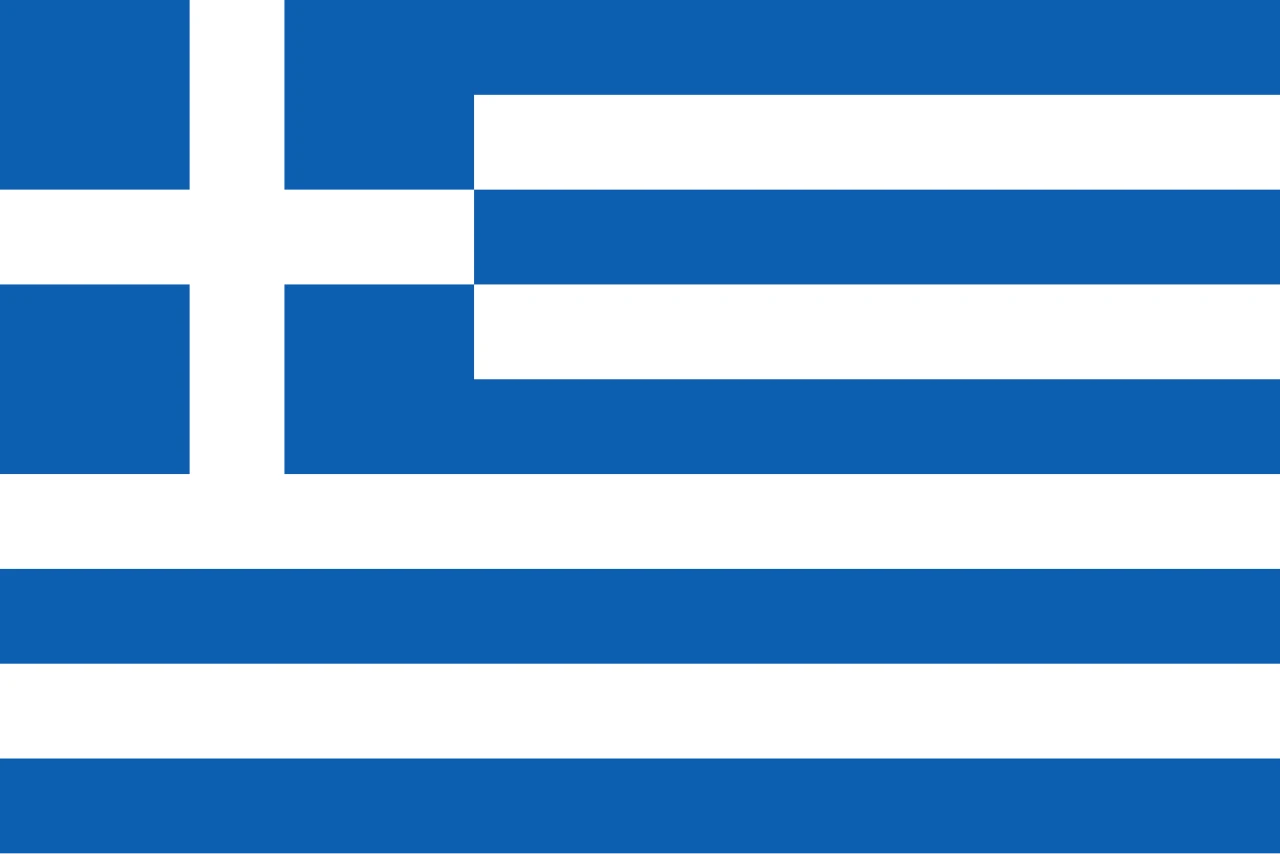
Greece: blue and white, with a cross.
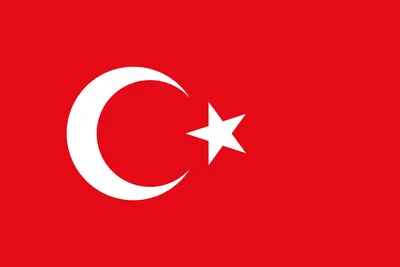
Turkey: red, with a crescent.
What it represents
- Silhouette of the island, in copper colour: it alludes to the island’s copper deposits, which may have given it its name.
- Two olive branches: they represent peace between the two communities, Greek and Turkish.
- White background: it is also a symbol of peace.
The neutral symbols were meant to signal harmony between the Greek Cypriot and Turkish Cypriot communities. It is an ideal that the island has not yet reached: in 1963 the two communities separated amid violence, and since the invasion of 1974 the island has been divided in practice.
The earlier flags
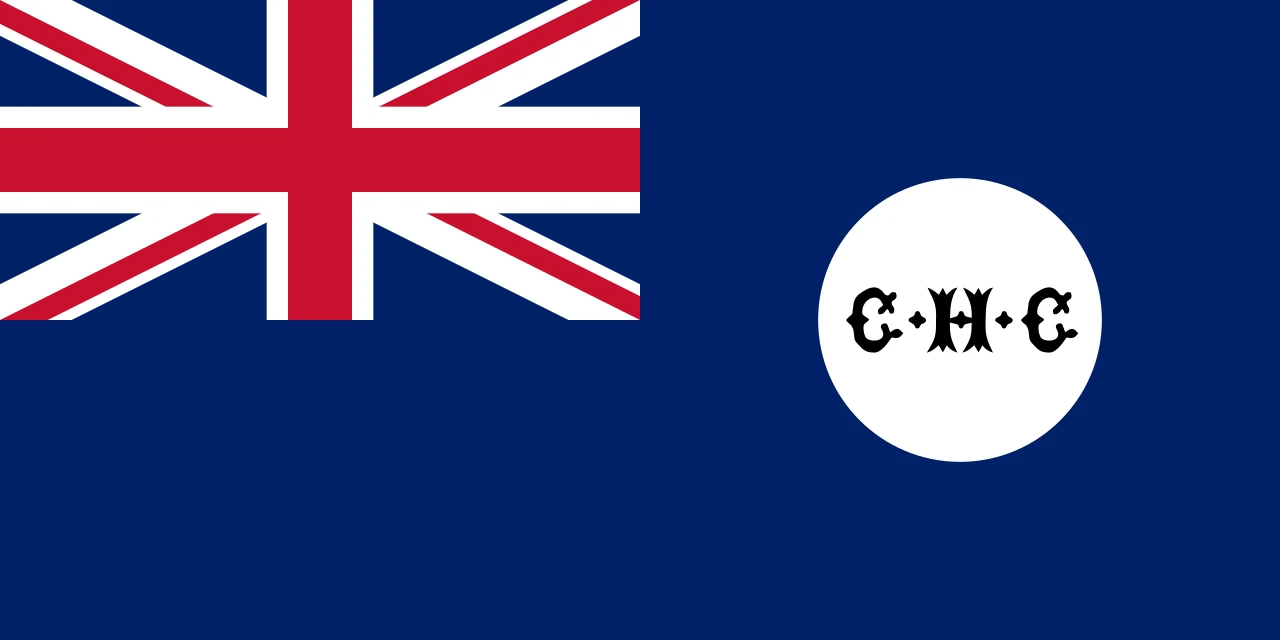
1881–1922: British colonial blue ensign.
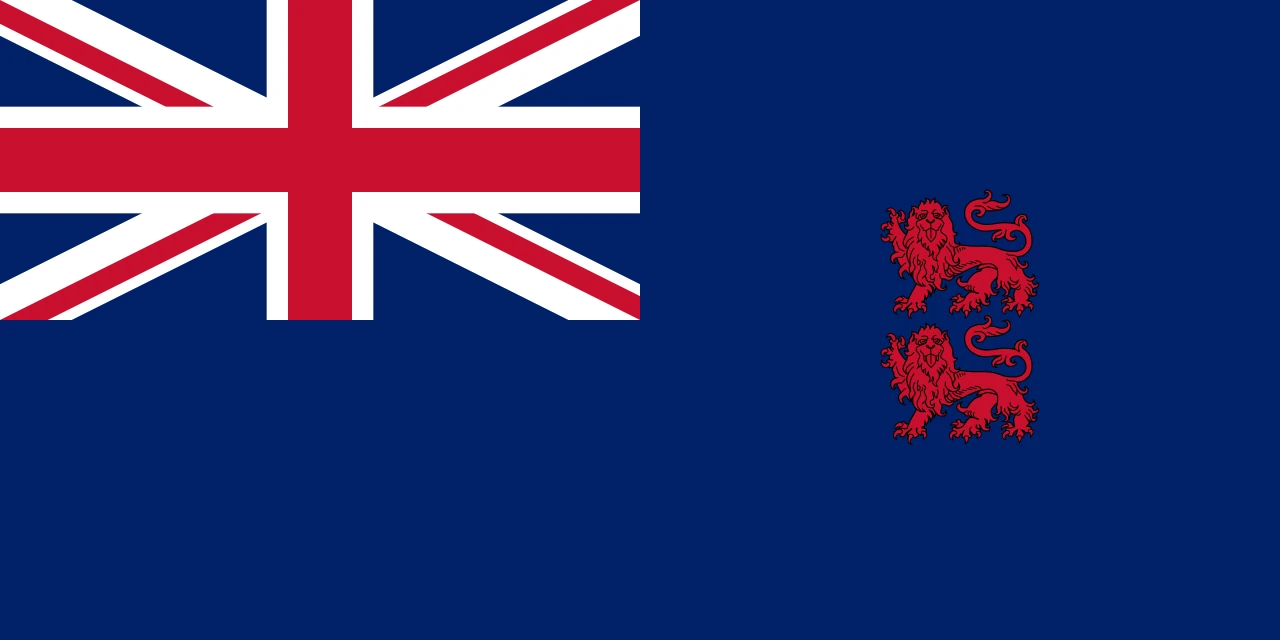
1922–1960: blue ensign with two lions.
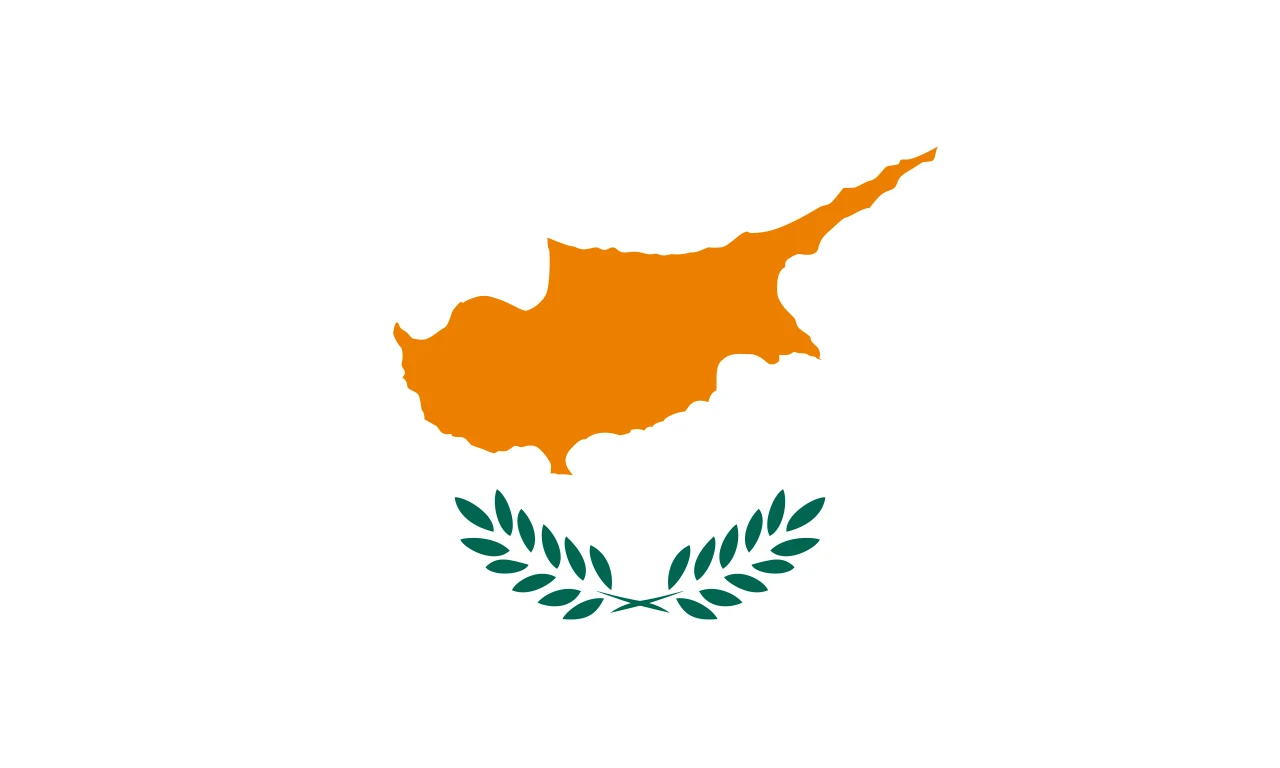
1960: the original flag, in a 3:5 proportion.
The 2006 change
The current version was adopted on 24 April 2006. The shape of the olive branches was slightly reworked and new colours were set (Pantone 574 for the olive green and Pantone 1385 for the copper). The original 1960 specification used Pantone 144-C for the copper and 336-C for the green, with a 3:5 proportion; the 2006 one uses 2:3. In October 2005 the government announced it would “start from scratch” so that only flags that met the official specification were produced.
Who can fly it
Under the Constitution, state institutions fly the flag of Cyprus. The authorities of each community may also fly the Greek or Turkish one on holidays, and citizens may fly the Cypriot, Greek or Turkish one without restriction. Since the 1974 invasion and the de facto division of the island, in the area controlled by the Republic only the Greek flag of the two is seen, and the Turkish one only in the area controlled by the Turkish Republic of Northern Cyprus.
The Annan Plan: a new flag that never came
The UN plan to reunify the island (the Annan Plan) would have replaced the flag with a new one, chosen through a competition that received over a thousand proposals until 17 February 2003. In the 2004 referendum, Turkish Cypriots accepted the plan and Greek Cypriots rejected it, so it was not implemented.