Flags in Formula 1
All the Formula 1 flags explained in plain words: green, yellow, red, blue, white, black, chequered… and what each means for the driver.

If you follow Formula 1, you will often have seen the chequered flag at the end of the race, the yellow caution flag or the red one that stops the event. But what about all the others? The marshals at each Grand Prix and race control use flags to talk to the drivers. At 300 km/h there is no time for explanations: a colour says it all. Here we go through them one by one.

The flags that report on the track
These flags warn all the drivers about the state of the track.

Green flag: the race starts or restarts, or a caution period has ended.

Yellow flag: there is a hazard. A single waved flag warns of a hazard on the track; a single stationary flag, of one beside the track; two waved flags, that the track is wholly or partly blocked. Overtaking is forbidden. Ignoring it is penalised, and the penalty depends on the severity.

SC (Safety Car) board: the safety car is on the track. It always goes with the yellow flag. It comes out when there is debris from an accident that has to be cleared from the circuit.

Red flag: conditions are too dangerous to continue. The race is stopped, the cars go to the pits or stop at a marked spot, and overtaking is not allowed.

White flag: in FIA races, it warns that there is a slow vehicle on the track, or an official car. (In NASCAR and IndyCar, on the other hand, it signals the last lap.)

Red and yellow stripes: the track surface has changed, usually because of oil, coolant, water or debris. It is often shown for only about two laps.
The flags that give an order to one driver
These flags are normally addressed to a single driver.

Blue flag: a faster car is approaching and the driver must let it pass. In Formula 1, ignoring three waved blue flags brings a drive-through penalty. It is also used when a driver leaves the pits and another approaches on the track.

Black flag: in FIA races it means disqualification. In NASCAR and IndyCar, on the other hand, it orders the driver to the pits.

Black with an orange disc: the car has mechanical problems or has lost a piece of bodywork, and the driver must come into the pits.

Black and white diagonal: in FIA races, a warning for unsporting behaviour. It is also shown for leaving the track limits; at the 2023 Austrian Grand Prix, repeated infringements ended in time penalties.
The finish flag
The chequered flag marks the end of a session. In Formula 1 and NASCAR one flag is used; in IndyCar two are waved together, a tradition dating back to the 1980 Indianapolis 500.

Chequered flag: it signals the end of the session. The first to cross it wins the race. In Formula 1 a single flag is used.
How the drivers see them
On each circuit there are specific points, marked with an F, where the marshals show the flags. In addition, the driver receives on the steering wheel and on light panels inside the cockpit a warning of the colour of the flag being shown, because at high speed they may not be able to make out a flag at the side of the track.
Since 2015 there has also been the Virtual Safety Car (VSC): yellow flags and “VSC” boards are shown, and the drivers must slow down without the safety car coming out on the track. “SC” and “VSC” boards are used for the safety car and the VSC.
Fun facts
- The start. Today Formula 1 starts races with lights. Before, the national flag of the host country was used instead of the green one, and it is still occasionally used, as at the 24 Hours of Le Mans.
- Where the chequered flag comes from. According to the sources, it began at the Glidden Tours, a road rally, in 1906: the checkers at time checks used chequered flags to identify themselves. The earliest known photo of a chequered flag ending a race is from the 1906 Vanderbilt Cup on Long Island. Stories placing it in horse racing or 19th-century French cycling have no basis.

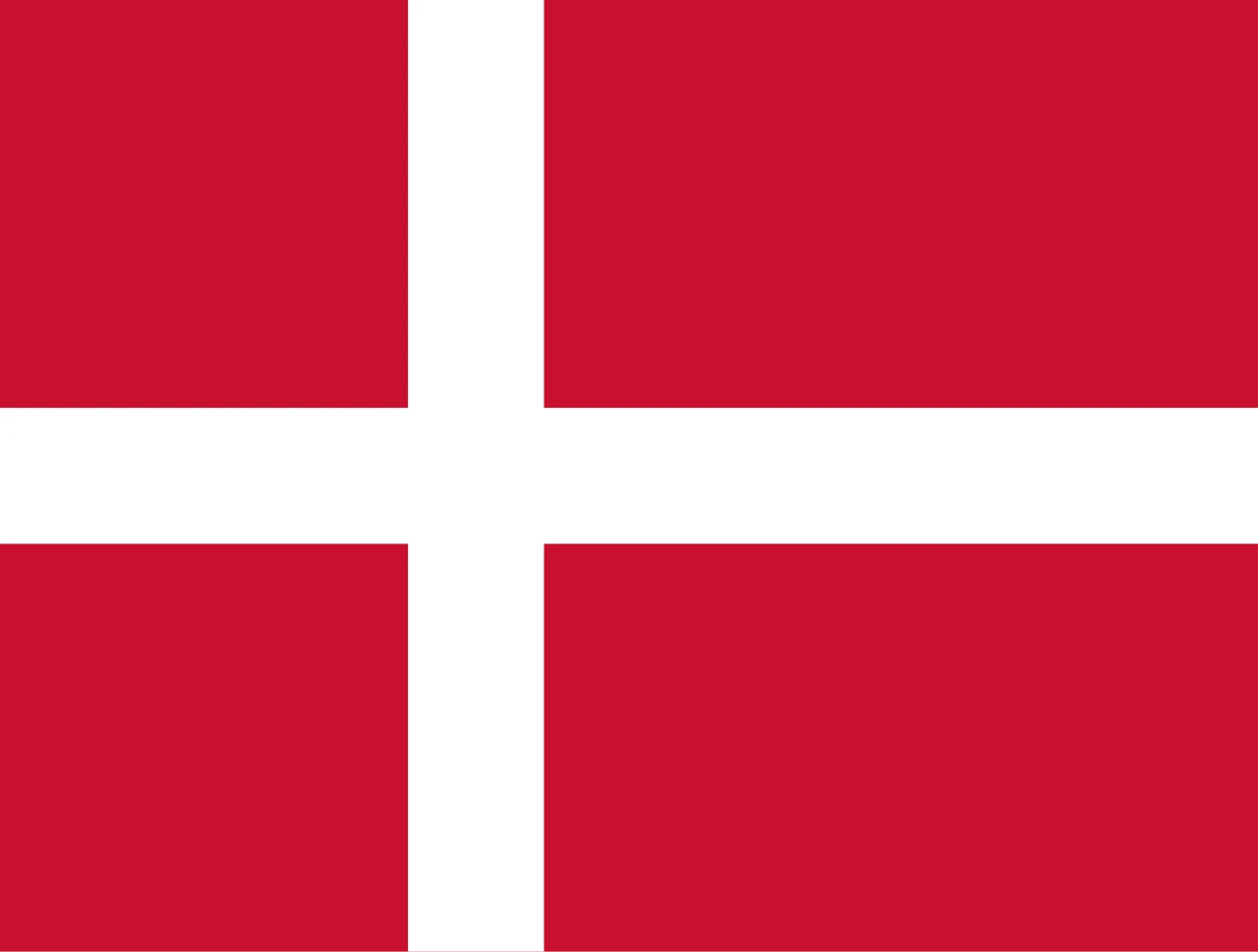
National flag: before starting lights, the flag of the Grand Prix country was used instead of the green one to start the race.