The Neturei Karta: ultra-Orthodox against the State of Israel
Who the Neturei Karta are, the Haredi group that does not recognise the State of Israel for religious reasons: what they argue, how many they are and how others see them.

In the neighbourhood of Mea Shearim, in Jerusalem, lives a community that rejects technology and much of modern life, and follows the Torah to the letter. Within it there is a very small group that also does not recognise the State of Israel for religious reasons: the Neturei Karta. In this article we explain who they are and why, with the best-established information, without taking sides.
The Haredim
“Haredi” comes from a Hebrew verb meaning “to tremble” at the word of God, hence the translation “God-fearing”. Many prefer this name to “ultra-Orthodox”, which some consider pejorative. They are not a single group: there are Hasidic courts, Lithuanian streams and Sephardic Haredim. Men usually dress in black, with a black hat; married women wear long skirts, long sleeves and some form of hair covering.
They are a fast-growing population. In Israel there were 750,000 in 2009 (9.9% of the population) and 1,452,350 in 2025 (14.3%). Worldwide there are about 2.1 million (2020). Families average about seven children. Boys enter a yeshiva (a school of religious study) between 13 and 18 and many keep studying until marriage. In Israel, 56% of Haredi men do not work and about 80% of women do. The biggest concentrations are in Jerusalem (including Mea Shearim) and Bnei Brak.


Posters on the walls of Mea Shearim with dress rules for those entering the neighbourhood.

Mea Shearim, in Jerusalem.
What the Neturei Karta are
Neturei Karta means “guardians of the city” in Aramaic. The name comes from a Talmudic passage about “city guards”. It is an anti-Zionist Haredi organisation, founded in Jerusalem around 1937–1938 by Rabbis Amram Blau and Aharon Katzenelbogen, who split from Agudat Israel because they found it too accommodating towards Zionism.
Their position is religious. They hold that the Jewish exile lasts until the Messiah arrives, and that human efforts to create a Jewish state are a sin. They rely on the Talmud’s “Three Oaths”, which they say Zionism violates. That is why they do not recognise the State of Israel or its government. They also argue that, in the meantime, there should be a Palestinian state, with Jewish sovereignty coming with the Messiah.
They are few: estimates speak of “thousands” or “a few thousand” people, and the group itself does not give figures. They are based in Mea Shearim and also live in communities in other countries, such as Monsey (New York).

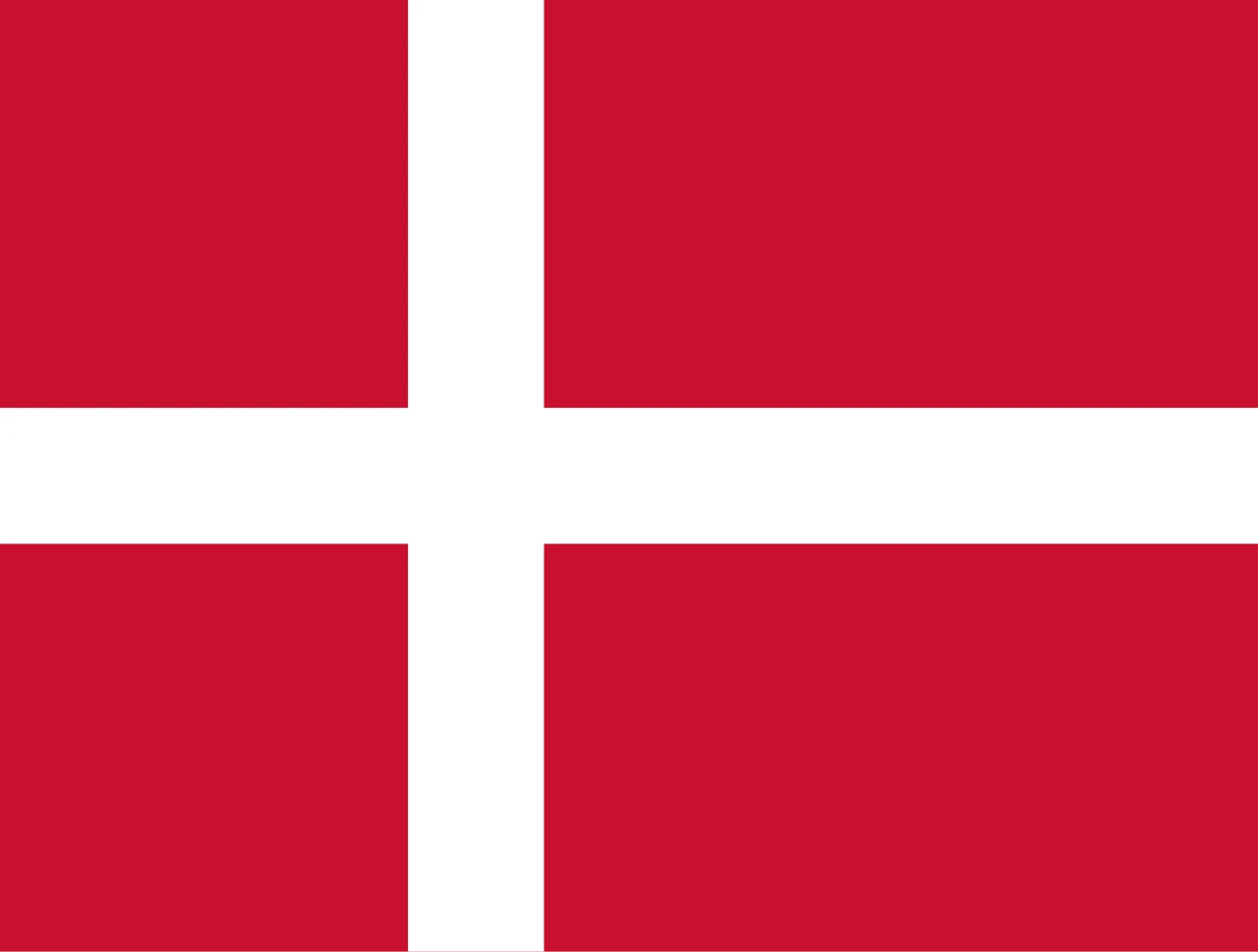
According to their own website, they burn Israeli flags at the festival of Purim.

Burning of an Israeli flag.
The army and Zionism
Zionism was born in the 19th century in Europe as a political and national movement, largely secular, in favour of creating a Jewish state. Its first congress, promoted by Theodor Herzl, was held in Basel in 1897.
Traditionally the ultra-Orthodox have not served in the army, although it is compulsory in Israel, because it goes against their convictions. The Neturei Karta also say that if they joined, they would attack Zionism. This exemption has been very controversial and in 2024 Israel’s Supreme Court ordered that yeshiva students begin to be drafted. The ultra-Orthodox in general do take part in Israeli politics: they have their own parties in parliament, such as United Torah Judaism and Shas. The Neturei Karta, on the other hand, do not recognise the State.
Their actions and the criticism
The Neturei Karta have made their ideas known through protests in Israel and, after the 1967 war, through approaches to the Arab world: in 1970 they took part in a protest with the PLO. They have also taken part in pro-Palestinian demonstrations in Western countries and, in 2023, visited Jenin, after which Israeli police arrested two members.
Their relations with Iran are the most criticised: in 2005 they defended President Mahmoud Ahmadinejad, in 2006 they visited the country and attended the December 2006 Tehran Holocaust conference, which was condemned worldwide. In 2014 a man was sentenced for spying for Iran; the group says he was never a member.
Their positions are considered fringe even among the Haredim. Satmar, the Edah HaChareidis and the then Ashkenazi Chief Rabbi Yonah Metzger condemned the Tehran trip. Critics accuse them of comparing Zionists to Nazis and of acting as “token Jews” at anti-Israel events; the group rejects those descriptions. A breakaway faction, the Sikrikim, has been linked to violent protests.

Graffiti in favour of the Palestinian people. Above it a flag says “Jewish is not Zionist”, in Mea Shearim.

Another graffiti in favour of the Palestinian people.

At a demonstration.