Thin line commemorative flags (the Thin Blue Line)
The Thin Blue Line is a symbol used by the police to commemorate fallen officers, widespread in the United States and Canada.

The Thin Blue Line flag can be seen on patches, police cars, building fronts and T-shirts. For some it is a tribute to officers who have died in the line of duty; for others, a controversial symbol. In this article we explain what it means, where it comes from and why it causes debate. The flag is widely used in the United States and Canada.
The short answer
- What it is: a black flag with a horizontal blue stripe. It is a symbol used by the police to commemorate fallen officers.
- What it means: the blue stripe stands for the police, who stand between the public (the black stripe above) and criminals or violence (the black stripe below).
- Why there is debate: in the United States it has become a symbol also linked to political positions.
Where the expression comes from
“The thin blue line” is a way of saying that the police are the line that separates order from chaos. The expression recalls the “Thin Red Line” of the Battle of Balaclava (1854), in the Crimean War, when the British 93rd Regiment of Foot held off a Russian cavalry charge. It was first used for soldiers.
1911
A poem by Nels Dickmann Anderson applies the phrase to the US Army (the source is self-published).
1922
New York police commissioner Richard Enright uses it for the police. It is not known when it was first applied to officers.
1950s
Los Angeles police chief William H. Parker uses it often and lends it to a department-produced television show.
1970s and 1980s
Joseph Wambaugh’s police novels popularise it.
1988
Errol Morris’s documentary The Thin Blue Line, about the murder of a Dallas officer, helps spread it.
The Blue Lives Matter movement was born in 2014 as a response to Black Lives Matter, after the killing of New York officers Rafael Ramos and Wenjian Liu. From then on the Thin Blue Line flag became much more visible.

Thin Blue Line flag.

Patch with the Thin Blue Line.

Police cars with the Thin Blue Line.
There are many versions of the blue line flag; many police forces in various countries have adopted their own, for example:


United Kingdom.

United States of America.

Canada

Israel

Brazil

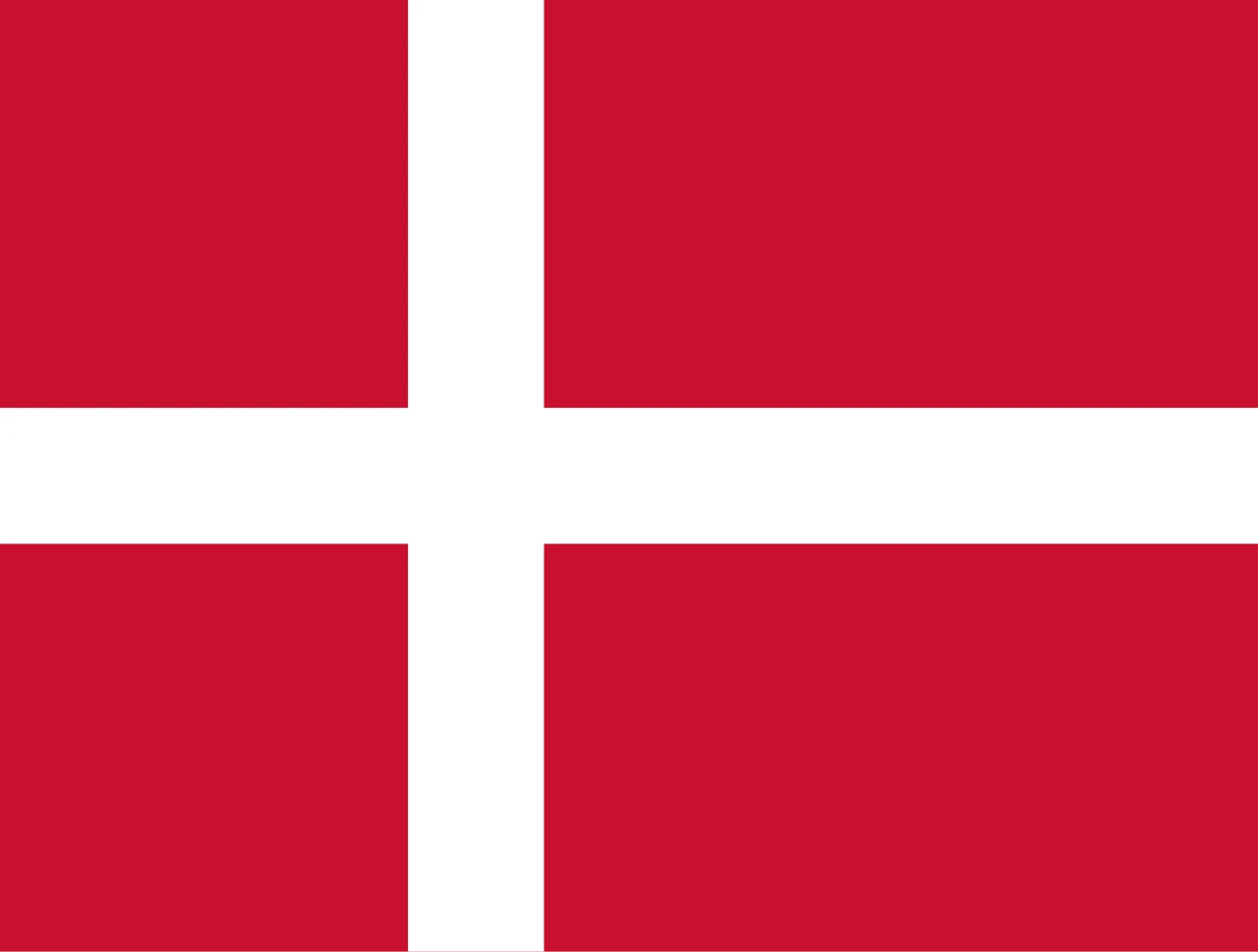
Denmark

Spain

Philippines

Greece

Malaysia

Mexico

New Zealand

Singapore

Turkey
In the United States of America this flag has become very prominent, above all after the shootings in Dallas, Minnesota and Louisiana in July 2016, and it is used by the police themselves as well as by their families and supporters.


Critics of the police or of their actions also deface this symbol as a sign of protest.
A controversial flag
Over the years the flag has become a controversial symbol in the United States. For those who use it, it honours fallen officers and shows solidarity with the police in the face of attacks against them. For its critics, above all since the Black Lives Matter protests, it fosters an “us versus them” mindset that strains relations between police and community, and is used in opposition to Black Lives Matter. It has also appeared at far-right events: it was carried by demonstrators in Charlottesville in 2017, alongside Confederate and Nazi flags, and was seen at the 2021 attack on the Capitol. Gerry Conway, the creator of the comic-book character The Punisher, criticised the police combining the blue line with that character’s skull.
That is why its use on uniforms, vehicles and public buildings has been debated and, in some cases, banned:
- Canada: the RCMP banned the symbol on duty in October 2020, and its union opposed the ban. Ottawa and Victoria also restricted it.
- Iceland: in May 2021 new rules banned these symbols on official police uniforms.
- United Kingdom: in 2015, Sussex Police told an officer to remove a badge with a Union Jack and the blue line.
- United States: Madison (Wisconsin) and Los Angeles banned the flag, citing “undemocratic, racist and bigoted” views; several Connecticut towns acted in 2021, and Merriam (Kansas) voted in 2024 to ban the flags from a memorial event.
After the popularisation of the Thin Blue Line, other bodies and sectors in the United States of America adopted their own (the meaning of each colour varies depending on the source):

Police forces

Search and rescue personnel

Firefighters

Prison officers (grey)

Dispatchers and communications staff

Federal agents, border and park guards

Emergency medical services

Prison officers (silver)
Buy the flag
Buy the flag on AmazonAffiliate link: if you buy, Wiki Banderas receives a small commission.
Buy the flag on AmazonAffiliate link: if you buy, Wiki Banderas receives a small commission.
Buy the flag on AmazonAffiliate link: if you buy, Wiki Banderas receives a small commission.
Buy the flag on AmazonAffiliate link: if you buy, Wiki Banderas receives a small commission.
Buy the flag on AmazonAffiliate link: if you buy, Wiki Banderas receives a small commission.
Buy the flag on AmazonAffiliate link: if you buy, Wiki Banderas receives a small commission.
Buy the flag on AmazonAffiliate link: if you buy, Wiki Banderas receives a small commission.
Buy the flag on AmazonAffiliate link: if you buy, Wiki Banderas receives a small commission.
Buy the flag on AmazonAffiliate link: if you buy, Wiki Banderas receives a small commission.