
The flag of Cuba and the dream of joining the United States
It is said that the Cuban flag was designed so the island would join the United States. What is on record is that Narciso López devised it in 1849, in an expedition backed by US Southerners.

It is often said that the flag of Cuba was designed “so that Cuba would join the United States”. The story is more nuanced. The flag of the lone star was born in an expedition to free Cuba from Spanish rule, and that expedition had the support of Southerners in the United States who hoped the island would end up joining the Union. Here is what is known.
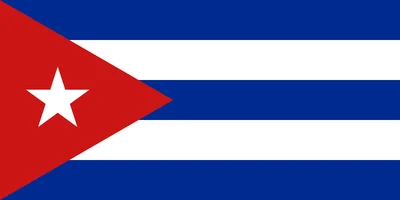
The flag of Cuba, the “Lone Star”.
Who designed it and when
The flag was designed in 1849. It is credited to General Narciso López and the poet Miguel Teurbe Tolón, and the first flag was sewn by Emilia Teurbe Tolón. It was first raised on 19 May 1850 in Cárdenas, during a failed uprising by López: local support never came and he had to retreat to Key West. In 1851, in a second expedition, he was captured and garrotted in Havana.
And the United States?
López won the financial and political support of influential Southerners in the United States, such as Mississippi governor John A. Quitman. By some accounts, he and some Southerners hoped an independent Cuba would be a strong partner in slavery and perhaps, like Texas, join the Union as a slave state. That is what lies behind the version that the flag was made to join the United States. But what is on record is that López led expeditions to free Cuba from Spain; annexation was a hope of some of his allies, not an aim written into the flag’s design.
What it means and when it became official
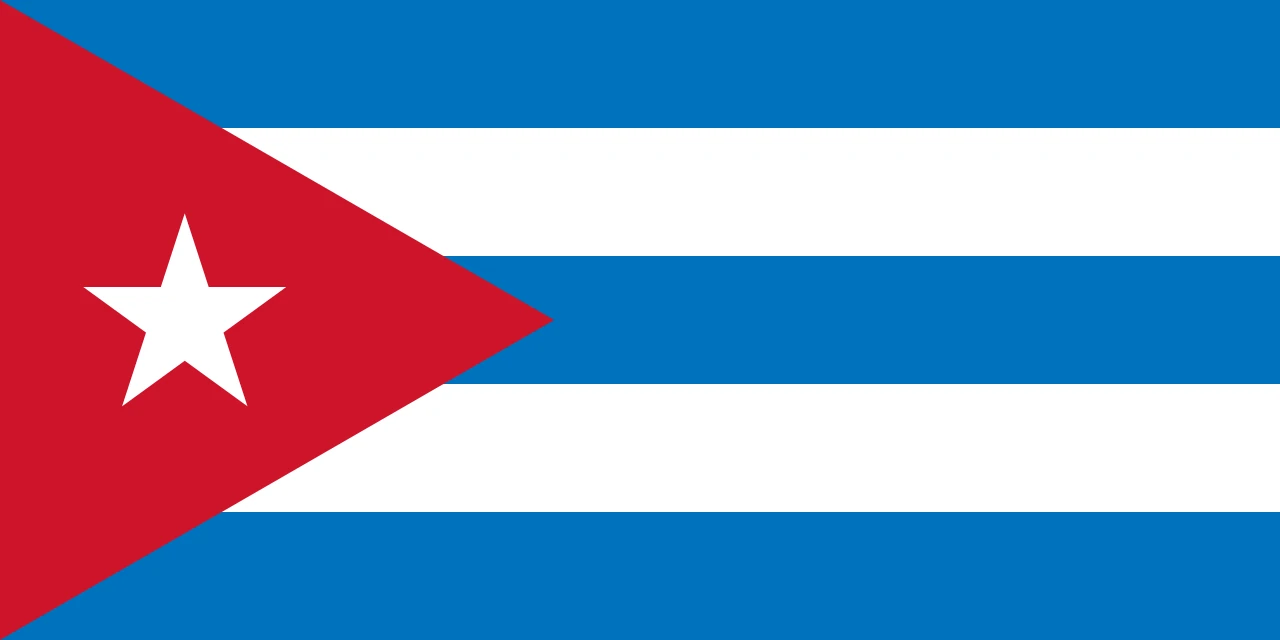
- Three blue stripes: the three departments Cuba was divided into at the time.
- Two white stripes: the purity of the patriot cause.
- Red triangle: strength and constancy, and also Masonic influence.
- White star: the “lone star”, the first step towards the freedom of Cuba.
- April 1869: Congress designates it the national flag.
- 20 May 1902: it is officially adopted, with independence.
1849
The flag is designed, credited to Narciso López and Miguel Teurbe Tolón; Emilia Teurbe Tolón sews the first one.
1850
On 19 May it is raised for the first time in Cárdenas, during a failed uprising by López. López retreats to Key West.
1851
In a second expedition, López is captured and garrotted in Havana.
1869
In April, Congress designates it the national flag.
Varios autores (ver el historial del archivo) · Dominio público 1902
On 20 May it is officially adopted, with independence.


