Flag elements
The elements of flags explained with drawings: stripes, crosses, triangles, stars, animals, plants and colours, with every flag that has each one.
What is a flag element?
An element is each of the pieces a flag is built from: how the field is divided (stripes, crosses, triangles…), the figures placed on it (stars, animals, plants, coats of arms…) and its colours. Almost every flag combines several: the flag of the United States has horizontal stripes, a canton and stars.
Each drawing shows the element on a white field, with the pole on the left. The number tells you how many flags in the archive have it: click the name to see them all.
Before you start: the parts of a flag
- Finial
- The ornament on top of the pole: a ball, a spearhead or a figure.
- Pole
- The staff or mast the flag hangs from.
- Hoist
- The edge of the flag attached to the pole, often a fabric sleeve the pole passes through.
- Field
- The cloth of the flag, with its colours and figures.
- Canton
- The rectangle in the upper corner next to the pole, like the one with the stars on the flag of the United States.
- Fly
- The free end of the flag, farthest from the pole: the part that flutters in the wind.
- Ratio
- The relation between the height and the width of the flag, always in that order: 2:3 means 2 high by 3 wide.
Layout
How the field is divided: into stripes, with a triangle at the hoist, with a canton in the corner… Many of the names come from heraldry, such as fess, chief or pile.
Plain
438A single background colour, with no stripes or divisions (though it may carry charges on top).
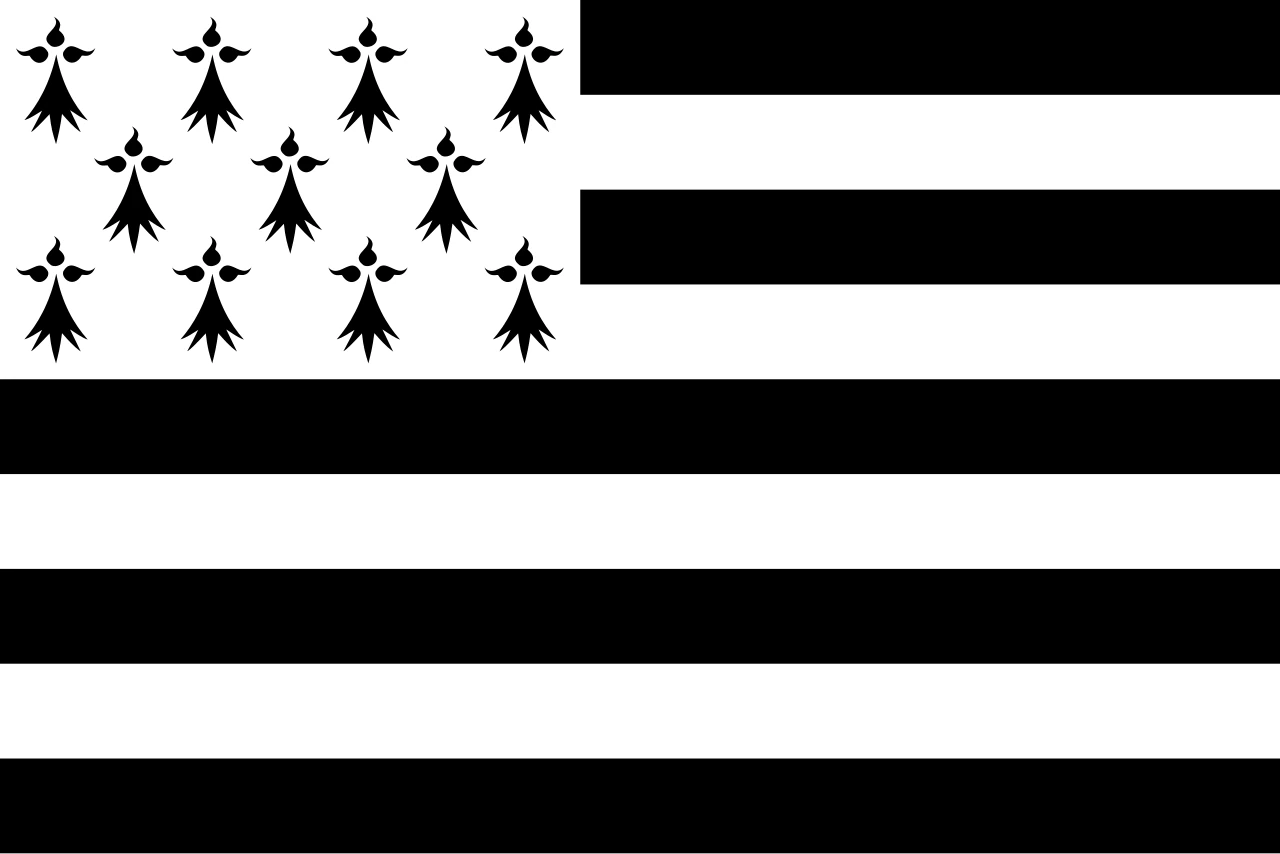
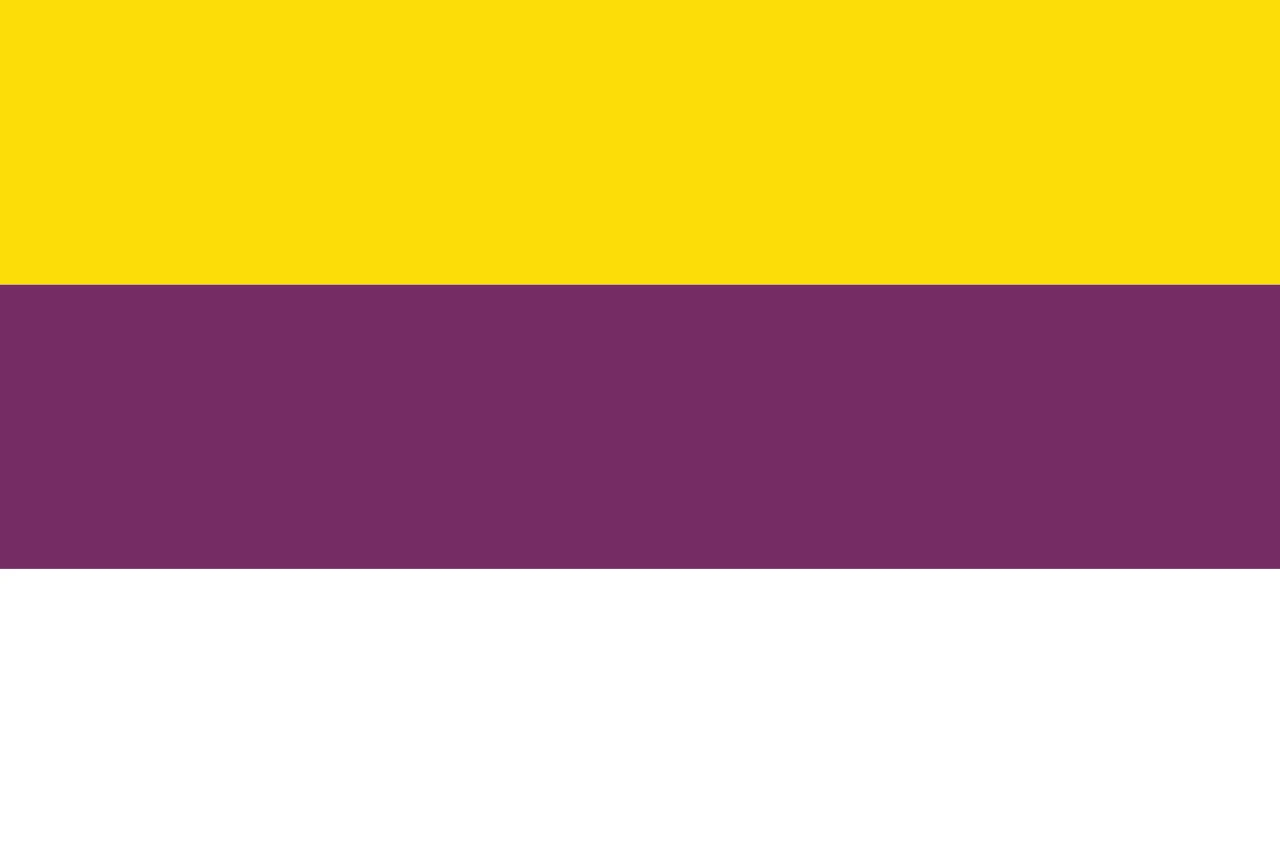
The field is divided into two or more horizontal bands.
The field is divided into two or more vertical bands.
Bicolour
160Two stripes of different colours, horizontal or vertical.
Tricolour
168Three stripes of different colours, horizontal or vertical.
A single vertical stripe on the hoist side, with the rest of the field in another colour.
A stripe or charge along the top of the field (heraldic chief, often wavy).
Fess
14A single centred horizontal stripe that does not divide the field into bands.
A single vertical stripe on the fly side, the rest of the field in another colour.
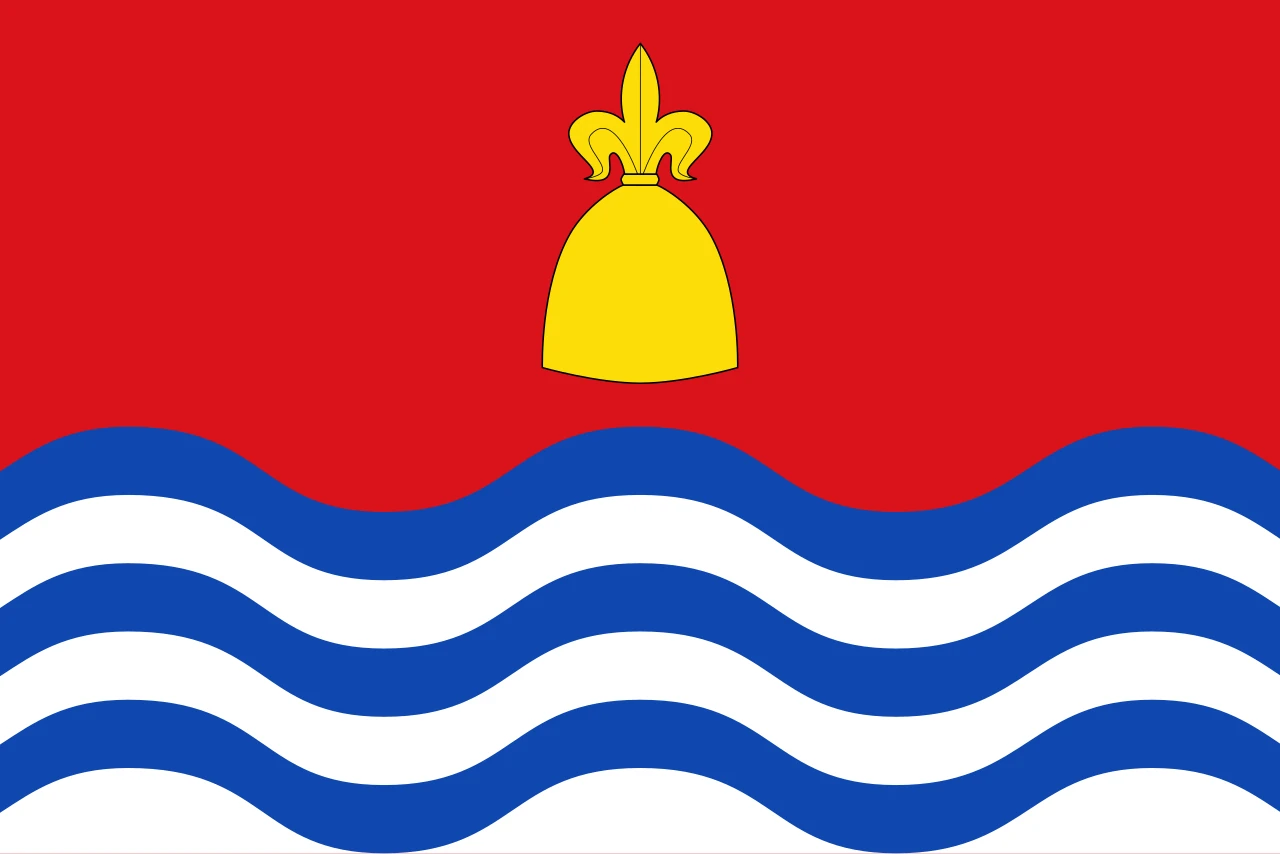
Wavy stripes
114Stripes or lines shaped like waves or zigzags, often representing water.
Diagonal
95A band or a line crosses the field diagonally.
Triangle
49A triangle based on the hoist side.
Pile
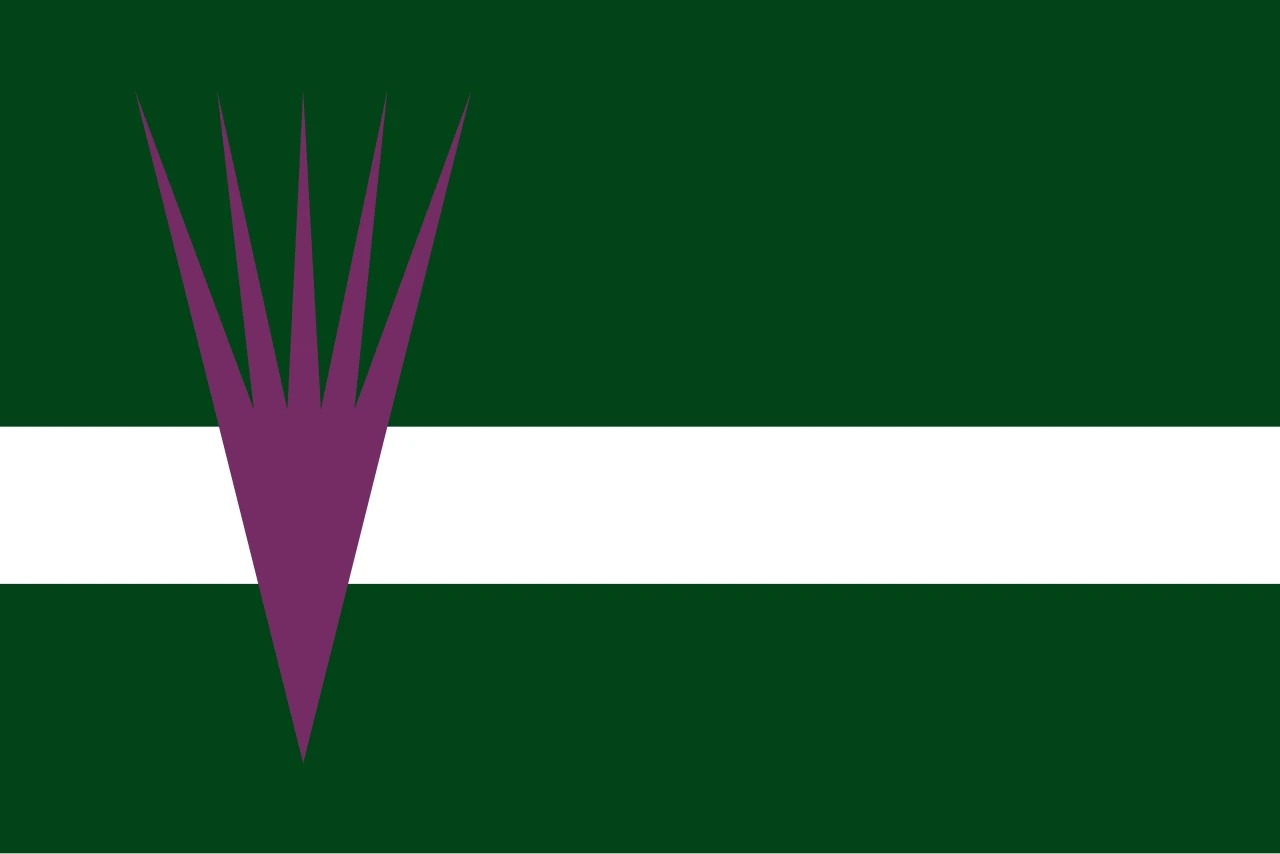
2A triangle rising from the top or bottom edge of the field.
A stripe shaped like a V on its side, pointing out from the hoist.
Pall
10A stripe shaped like a Y on its side that divides the field into three parts.
Canton
47A rectangle in the upper corner next to the hoist.
The field is divided into four parts.
Gyronny
29The field is divided into triangles radiating from the centre, like the segments of an orange.
Lozenge
18A large diamond shape in the centre of the field.
Border
29A stripe of another colour runs round the field.
Chequy
22Alternating squares, like a chessboard.
The field is made of small repeated squares or pieces in more than two colours.
Semé
20The field is strewn with a small charge repeated many times.
Flags with another shape: points, tails or cut-outs.
Crosses and saltires
Crosses differ in the shape of their arms and in where they sit: centred, shifted towards the hoist (the Nordic cross) or X-shaped (the saltire).
Cross
194Any cross: centred, Nordic or as a charge.
A symmetrical cross whose arms reach all four edges, like the St George’s cross.
A cross shifted towards the hoist, like those of the Scandinavian countries.
A cross with equal arms that does not reach the edges, like that of Switzerland.
A cross with two crossbars, the upper one shorter (like that of Lorraine).
A cross with T-shaped ends.
Saltire
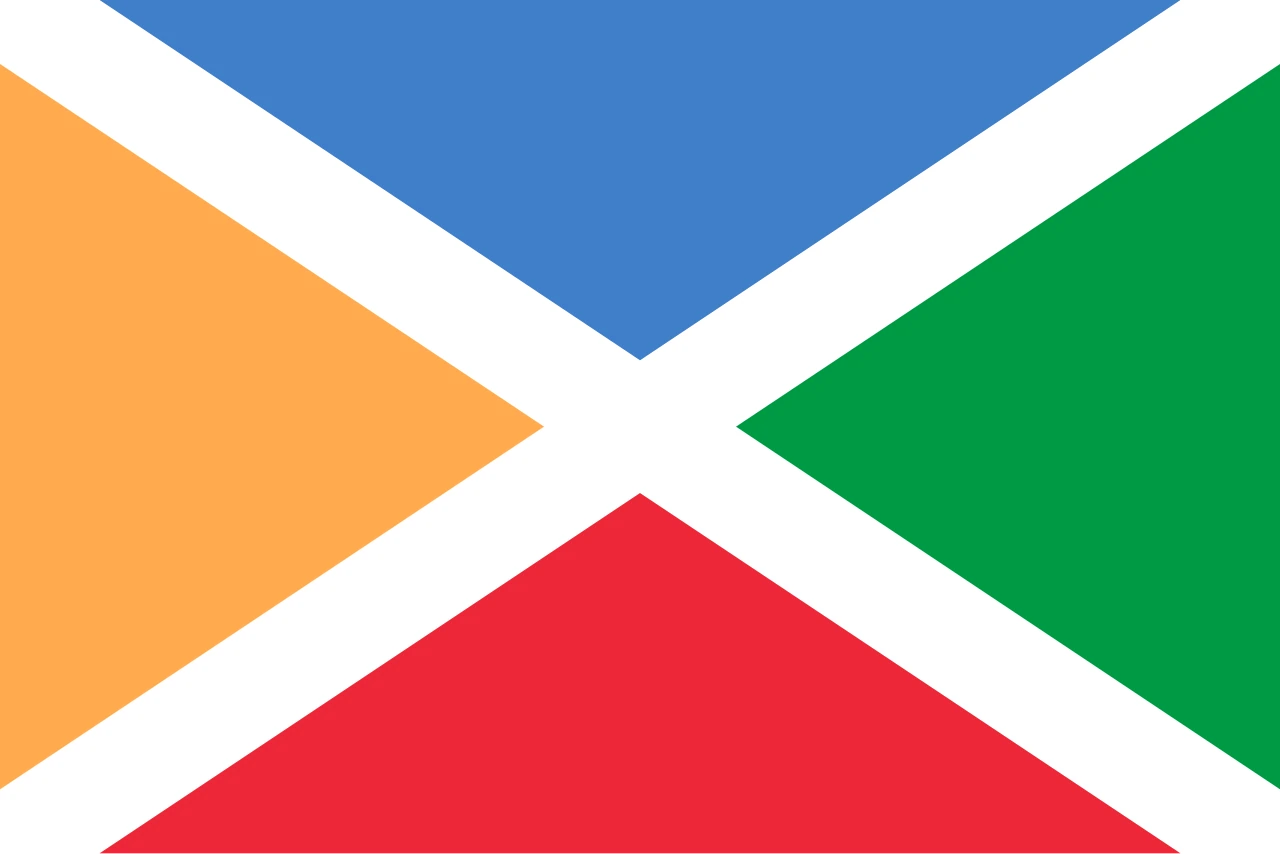
63An X-shaped cross running from corner to corner.
More than one cross, overlapping or spread across the field.

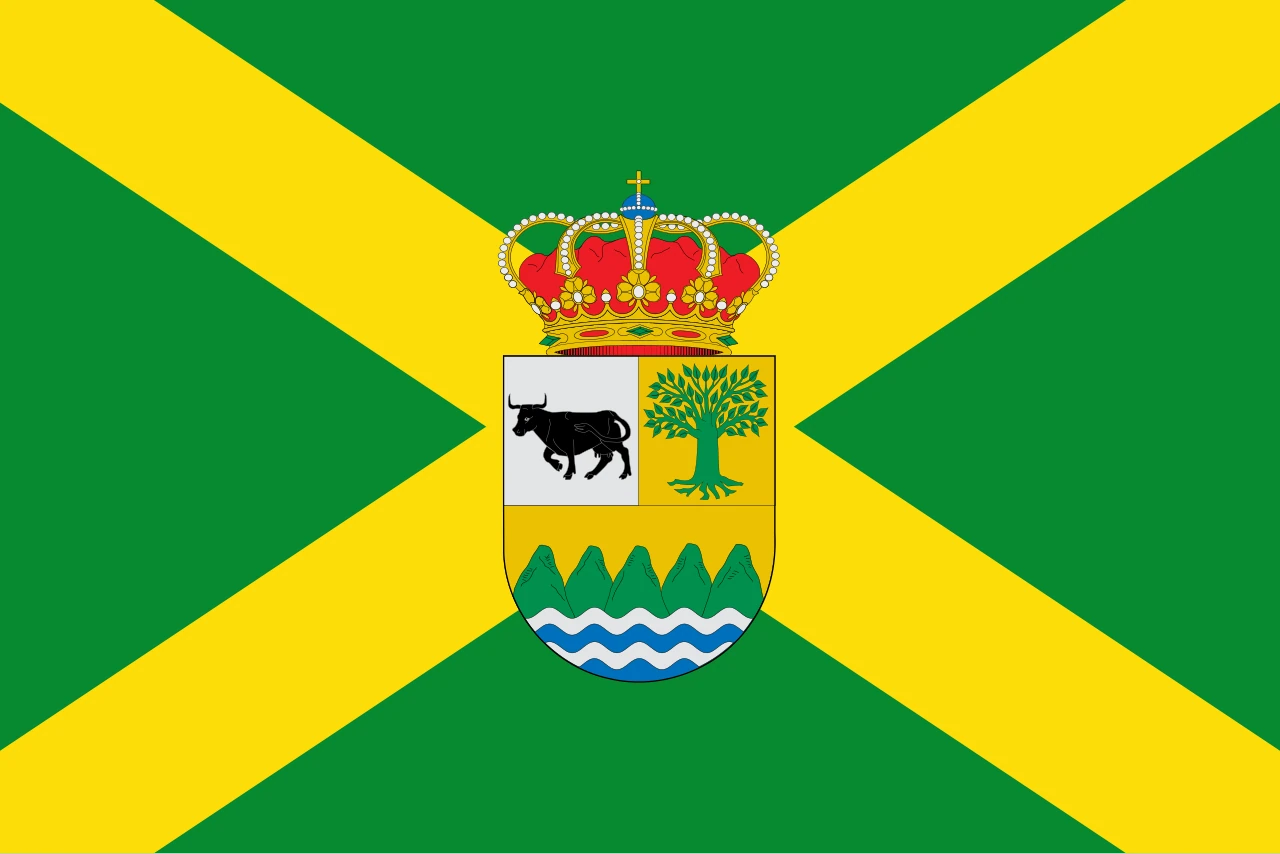
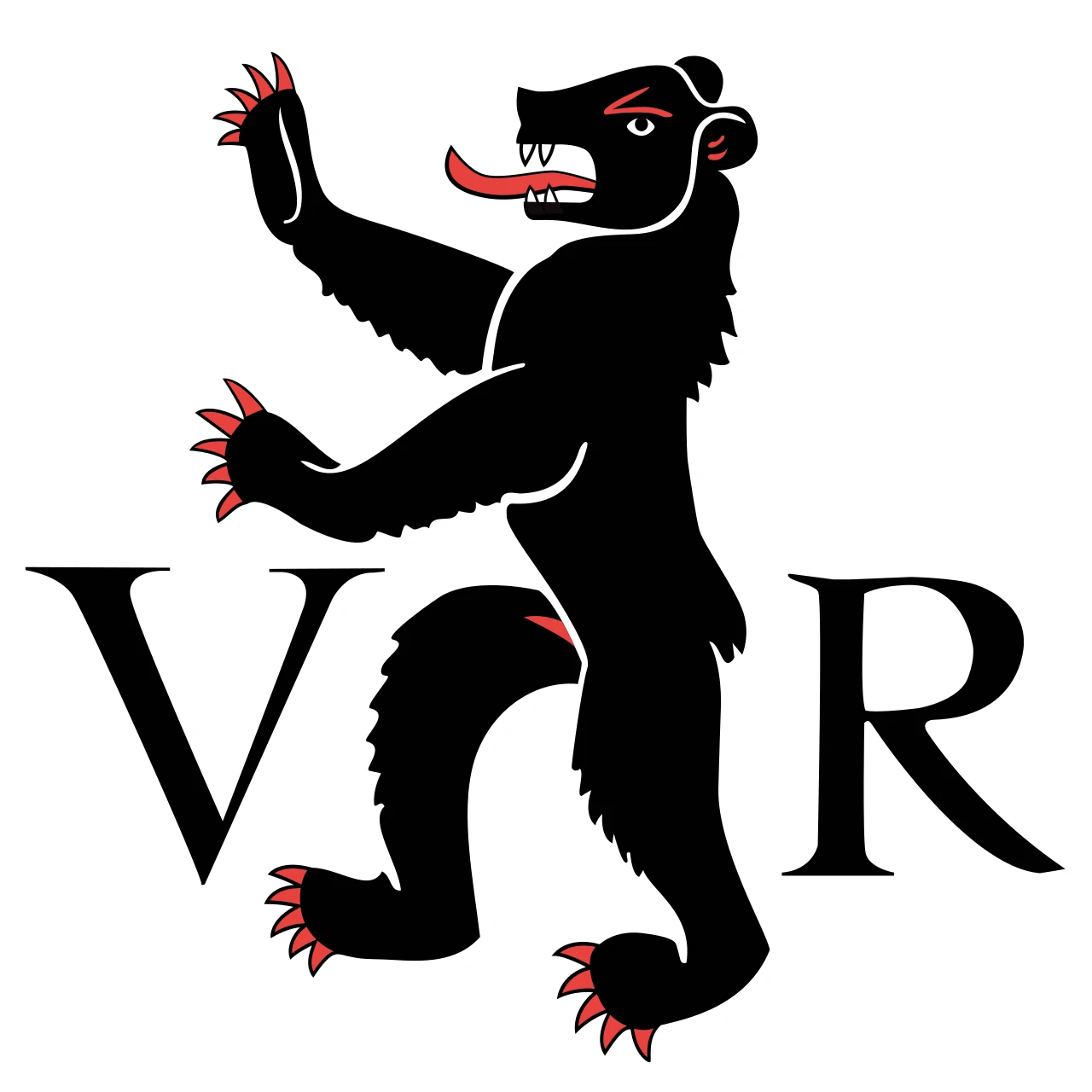
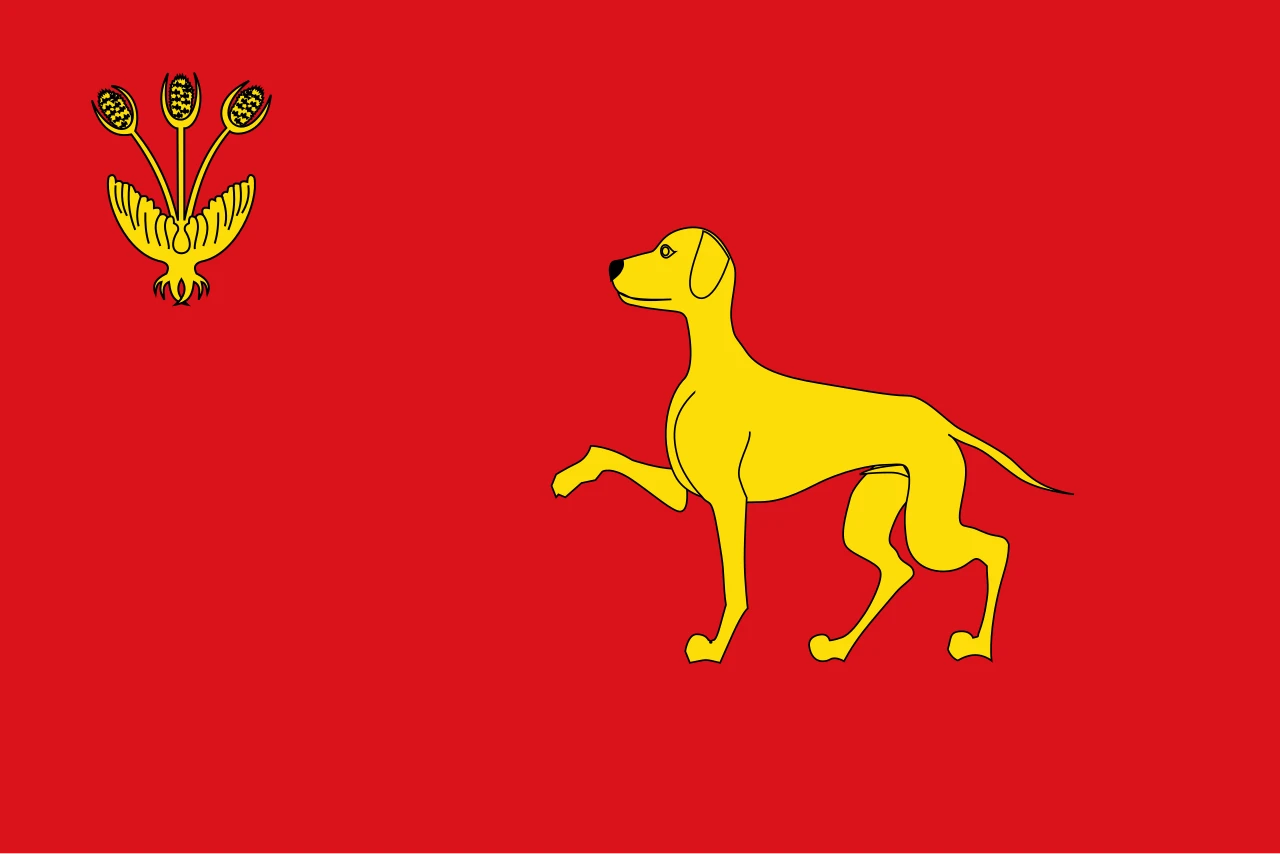
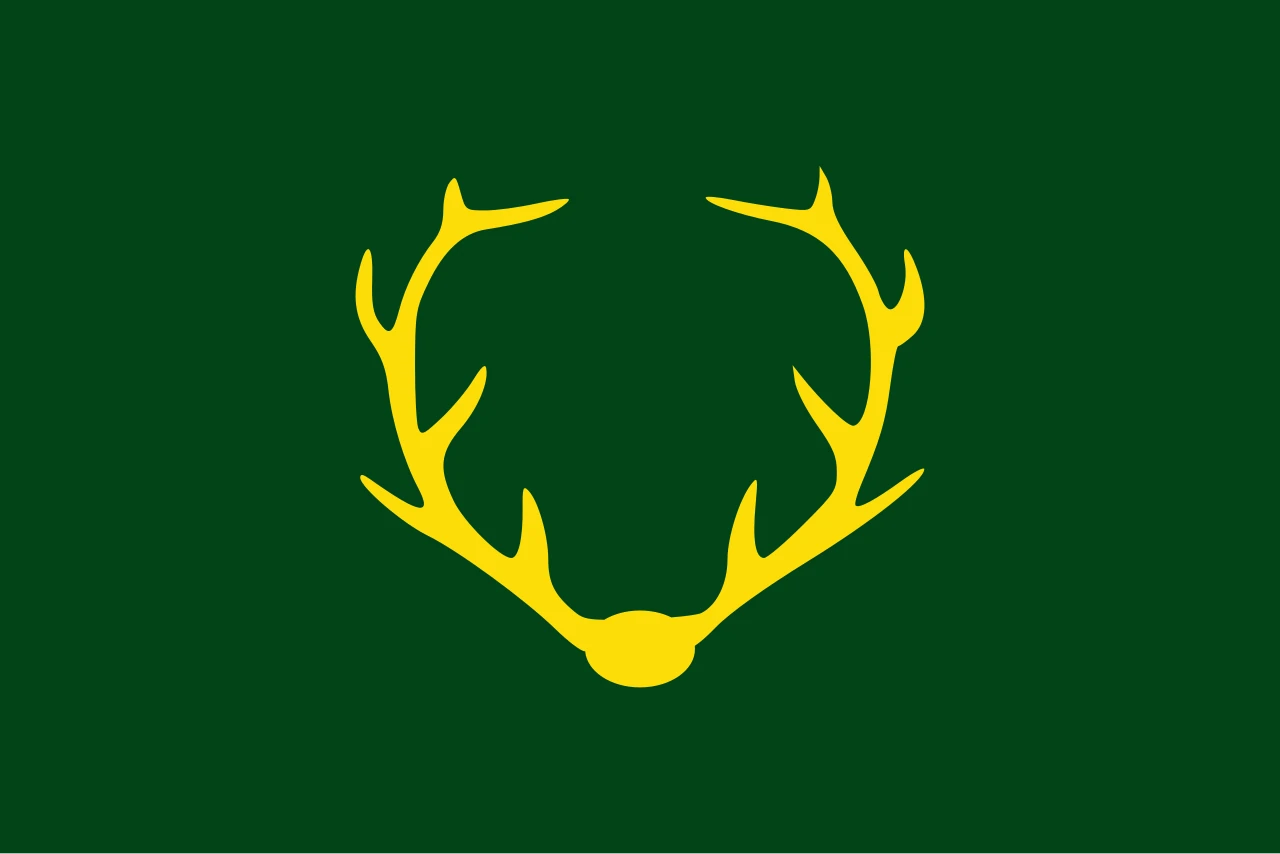

Other charges
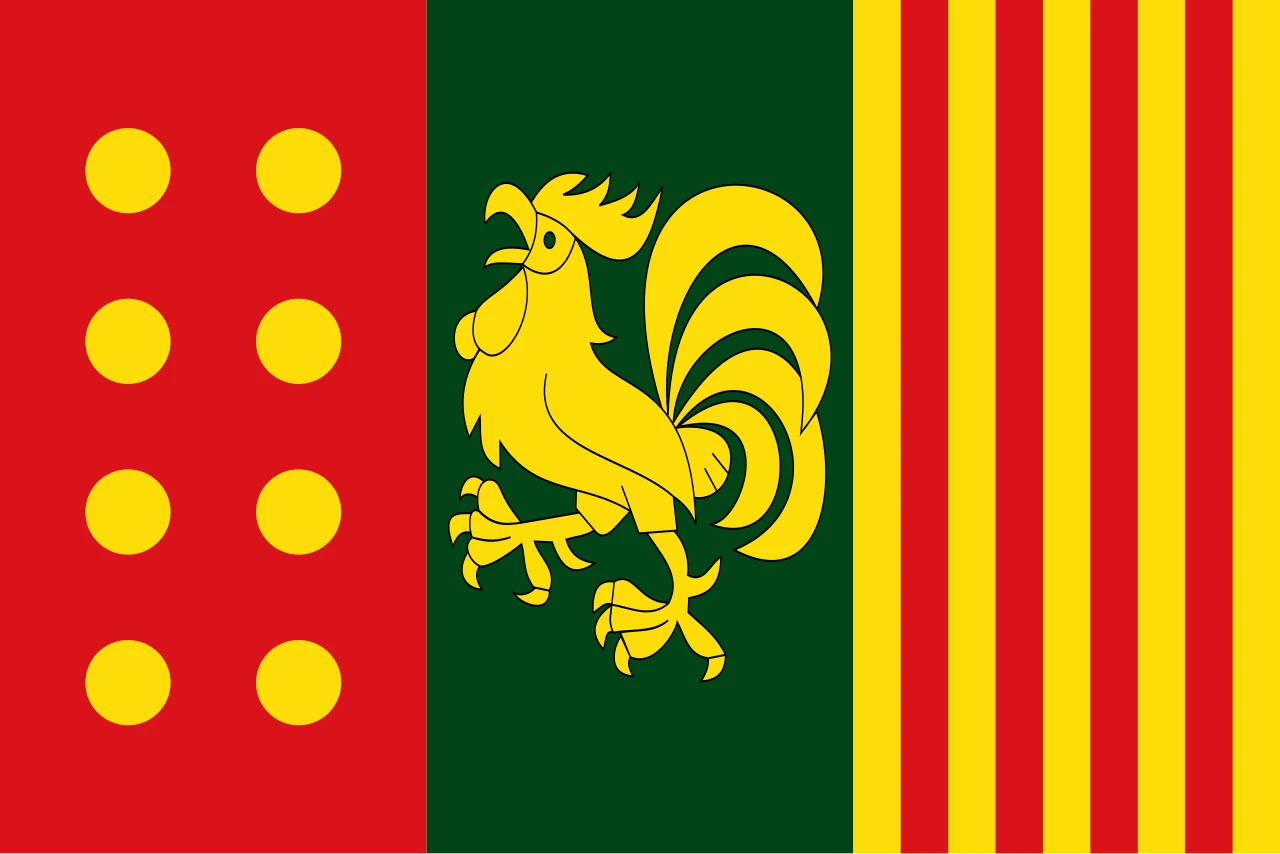
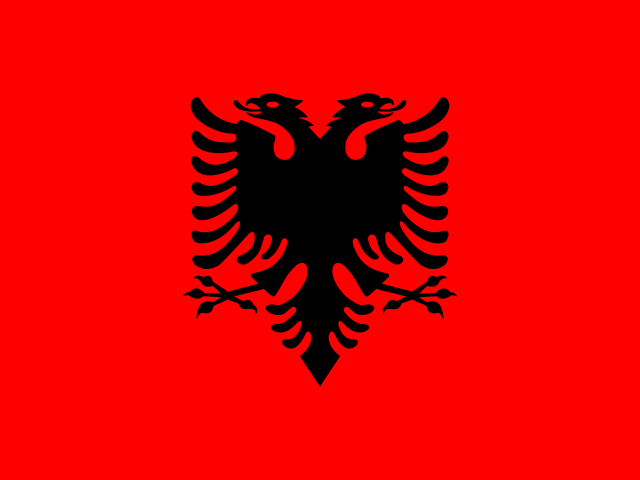
Coats of arms, crowns, buildings, tools, people and other objects that do not fit the groups above.