
Skip to content

Wiki Banderas
Open menu

Flag of Aichi

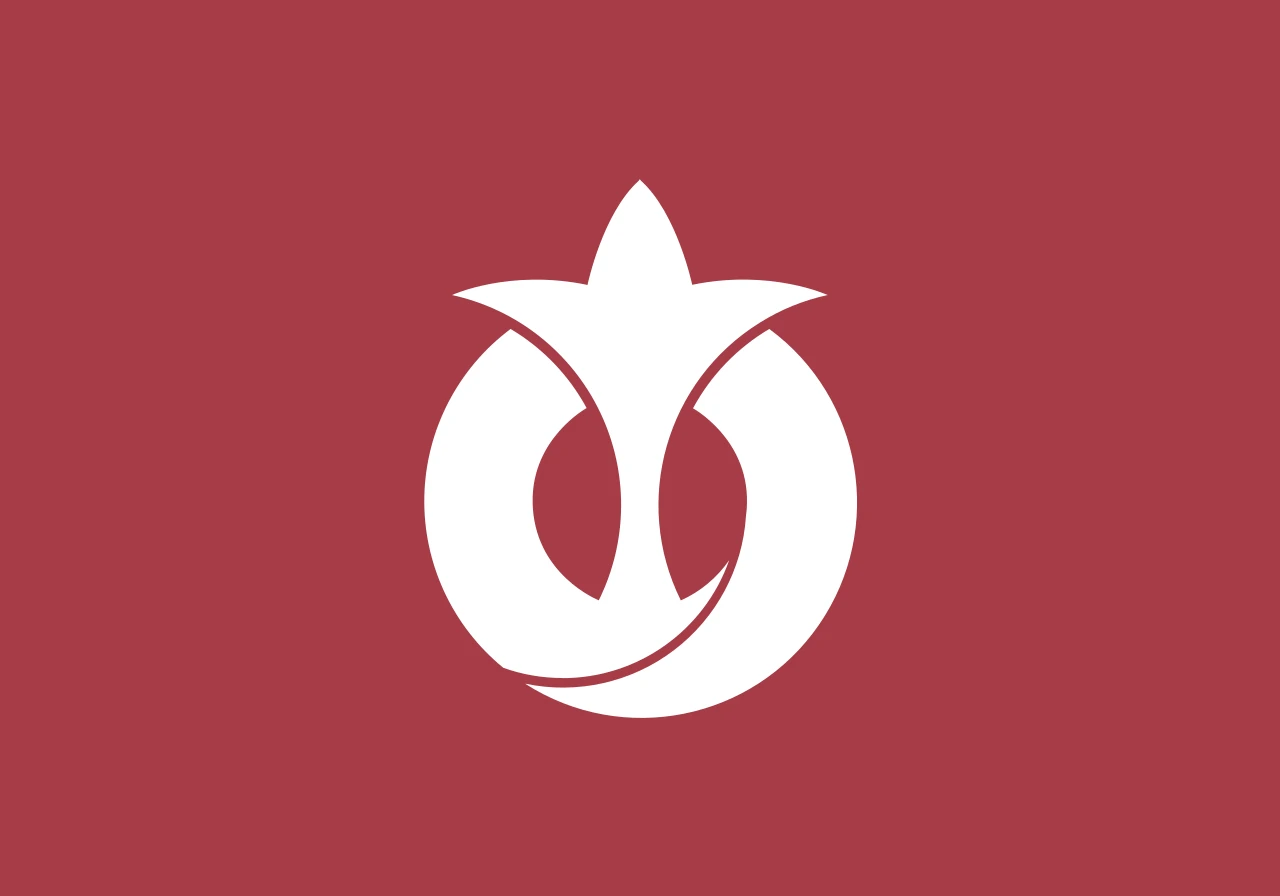
Three joined hiragana on a wine-coloured field: the emblem of Aichi came out of a competition of 1,600 entries in 1950.

Flag of Aichi
Coat of arms

The flag, in figures

Every fact about the flag, each with what it means.

Proportions
7:1010 wide for every 7 high. 14 flags in the catalogue share it.
Properties
Normal flagFIAV symbol: the form of the flag.
Use
CivilFIAV symbol: who may fly the flag.
Adopted
195015 August 1950 · 76 years ago
Colours
  • wine red
  • white
Reference shades: the official one may vary slightly.
Coat of arms
YesIt carries the coat of arms on the cloth.

Take a closer look

  • Field

  • Emblem

  • No coat of arms

How it is described

The flag in the words of vexillology and heraldry.

Vexillological description

It is a rectangular field (the field is the cloth of the flag) with a 7:10 ratio, in a single wine colour, a dark red, with a white figure in the centre.

Field
with no divisions of any kind; the whole background is wine (enji), the dark red used in Japan.
Emblem
three hiragana —あ・い・ち— joined in white and centred; it takes up three fifths of the height of the field.
No coat of arms
it carries no coat of arms, no canton (the rectangle in the upper corner on the hoist side), and no other figure.
What it carries

Each element and how many of the 1,390 flags in the catalogue carry it. In yellow, the rarest.

The full story

How it was born, how it has changed and what it means.

The flag of Aichi is a wine-coloured field, a dark red, with three white hiragana joined in the centre: あ・い・ち, the three syllables of the name of the prefecture.

How it came about

Aichi is a prefecture in central Japan, in the Chūbu region. Its emblem came out of a competition that received 1,600 entries in 1950, and the flag was approved on 15 August of that same year.

The result is a typographic emblem, not a drawing: three characters —the Japanese writing system— linked together to form a single symbol.

How it has changed

It has never changed. It was approved in 1950 and there are no documented later modifications.

What it means

  • Wine

    the colour of the field. It is the dark red called enji in Japan, different from bright red.

  • Hiragana

    three, あ・い・ち, in white and joined in the centre.

  • No coat of arms

    there is no coat of arms, no canton, no other figure.

Fun facts

  1. A flag won in a competition

    The emblem of Aichi came out of a competition that received 1,600 entries. It is the usual method in Japan for prefectural emblems: entries are called for and one is chosen. The flag is literally the drawing that won.

  2. Three letters that are read at once

    The hiragana あ・い・ち are the three syllables of Aichi. The emblem interlaces them until they become a single motif, so the name is also a figure. Few flags carry the name of the territory so literally.

  3. Japan’s red is not red

    The background colour is described as wine, not as red. In Japanese, dark red has a name of its own —enji— and is distinguished from bright red. Japanese flags usually specify the tone precisely, because in a densely populated country the colour does an identifying job.

Location

How much have you learnt?

Test what you have read about the flag of Aichi.

  1. 1. Which one is the flag of Aichi?

  2. 2. Which of these elements appears on the flag?

  3. 3. What are the proportions (height:width) of the flag?

  4. 4. In which year was the current flag adopted?

More flags

Accessibility preferences

Accessibility statement

Quick profiles

Text and reading

Text size
Default
Line height
Default
Letter spacing
Default
Word spacing
Default

Colour

Motion and orientation

Cursor