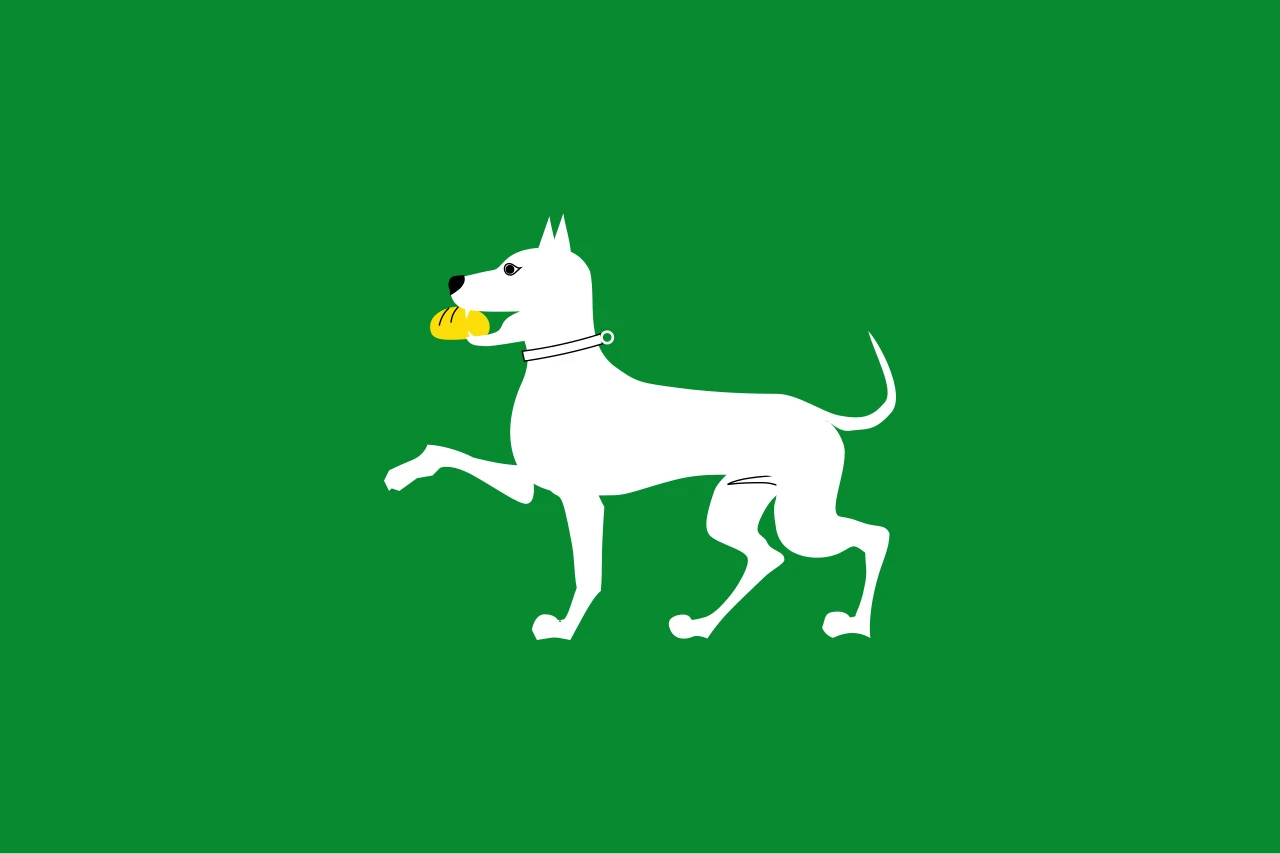
The Icelandic constitutional commission of 1885 proposed a flag very different from the current…
1897
In 1897 the poet Einar Benediktsson proposed another idea: a white cross on blue
1913
The commission appointed by the Parliament in 1913 received 28 drawings
1915
A royal decree approved that design on 19 June 1915
1918
In 1918 Iceland becomes a kingdom united to Denmark only by the king
The full story
How it was born, how it has changed and what it means.
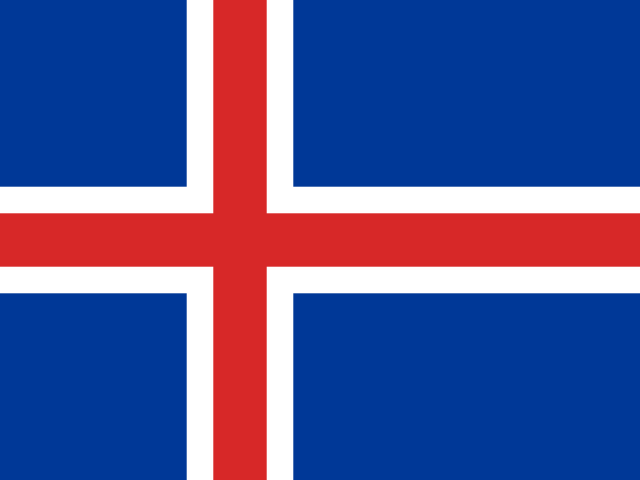
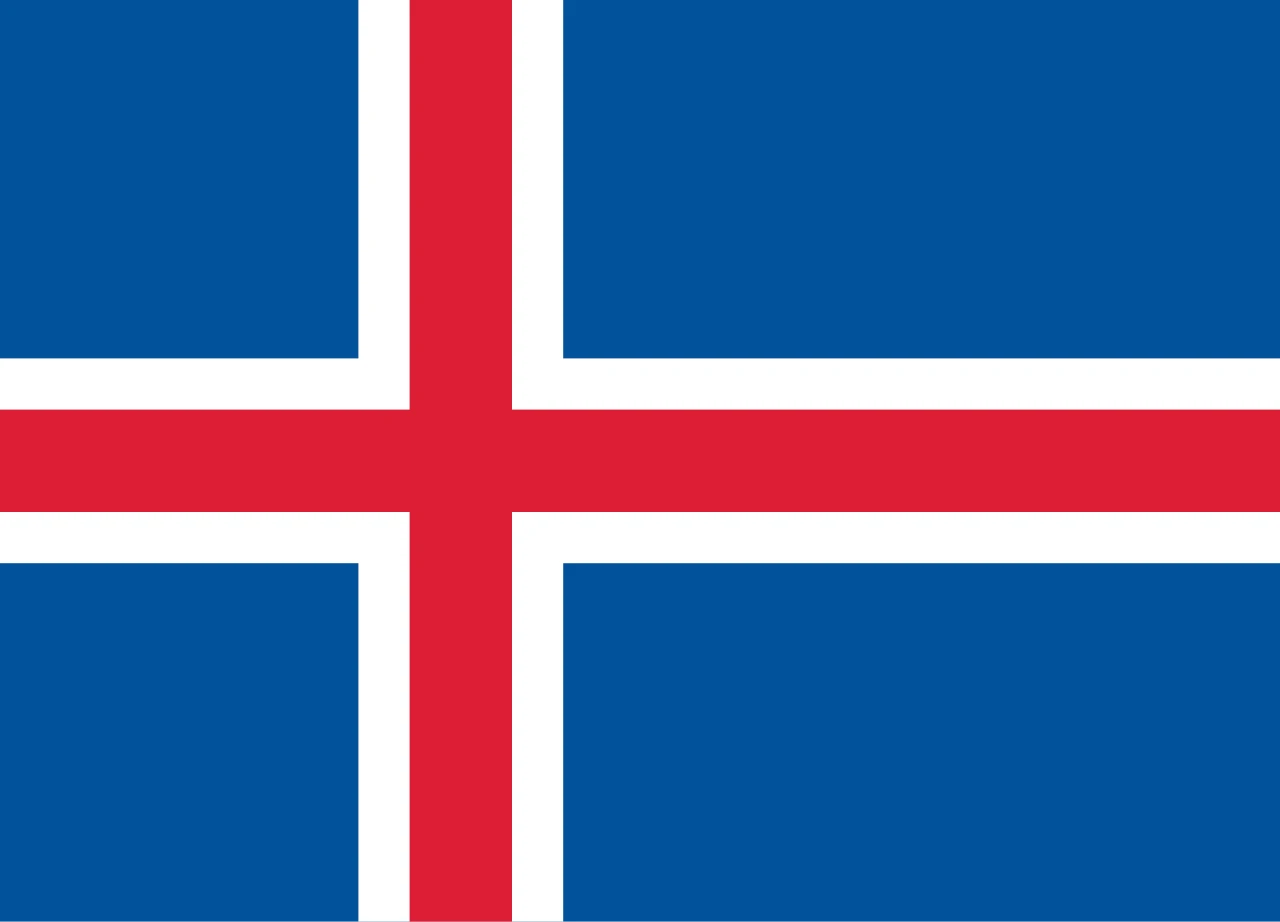
The flag of Iceland is blue, with a red cross edged in white. It looks a lot like that of Norway, but with the colours swapped. Behind it lies a long argument with Denmark, which ruled the island for centuries: every step towards a flag of its own was also a step towards independence.
How it came about
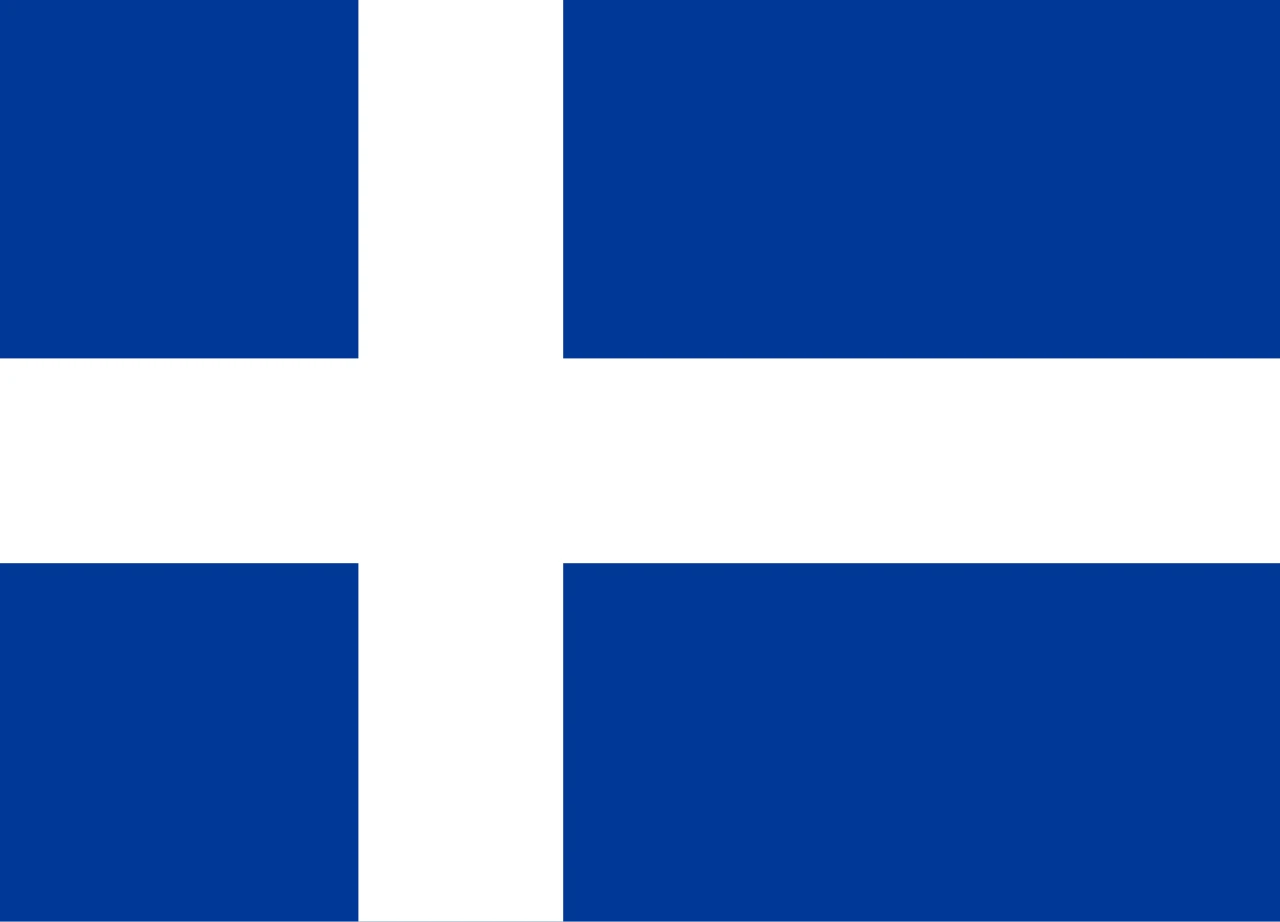
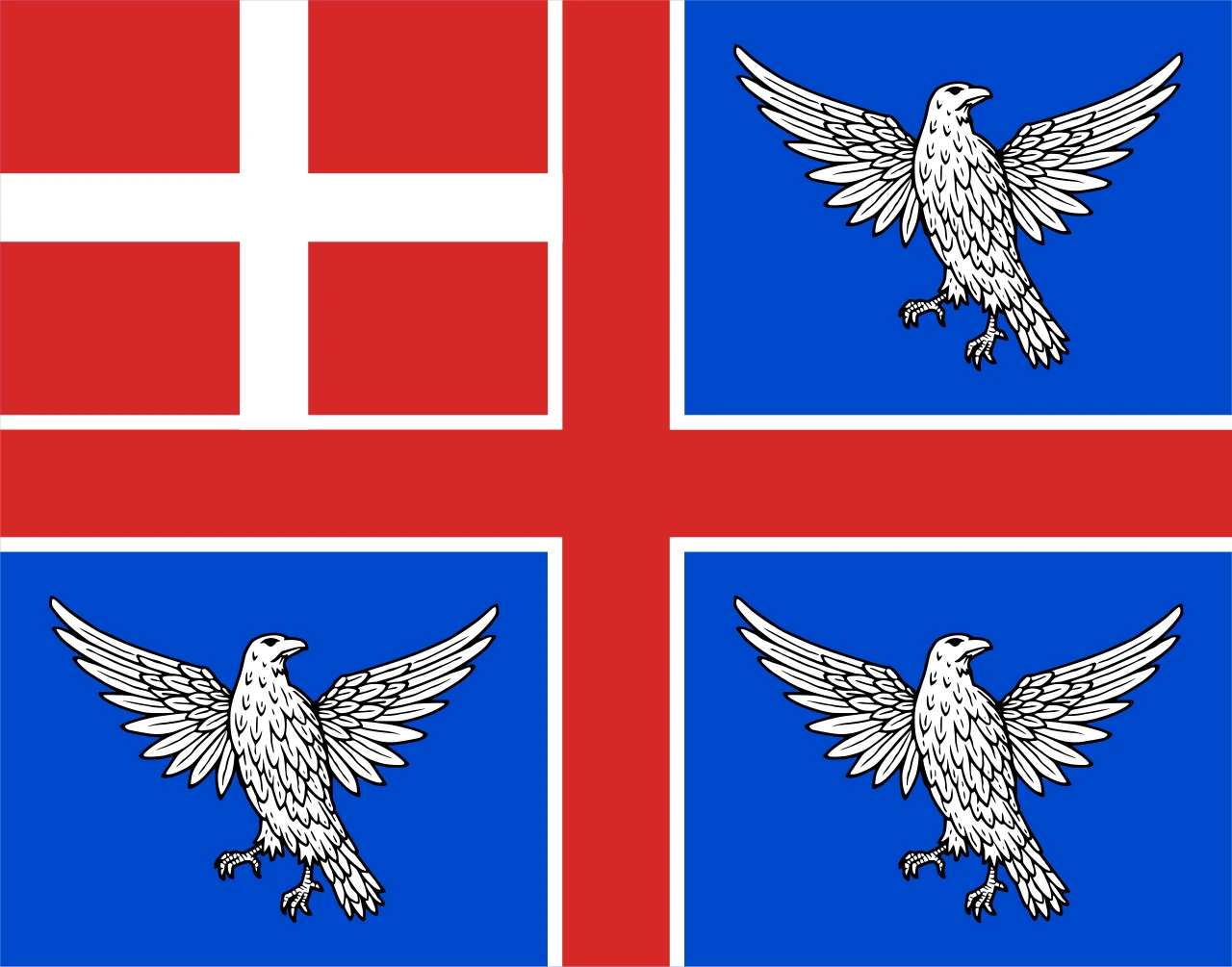
In the nineteenth century, the Icelanders who were asking for more autonomy looked for a symbol of their own. First they thought of a falcon. In 1897 the poet Einar Benediktsson proposed another idea: a white cross on blue, with the same design as the Scandinavian flags, where the crossing of the arms sits close to the flagpole. They called it Hvítbláinn, “the blue and white”, and it became very popular.
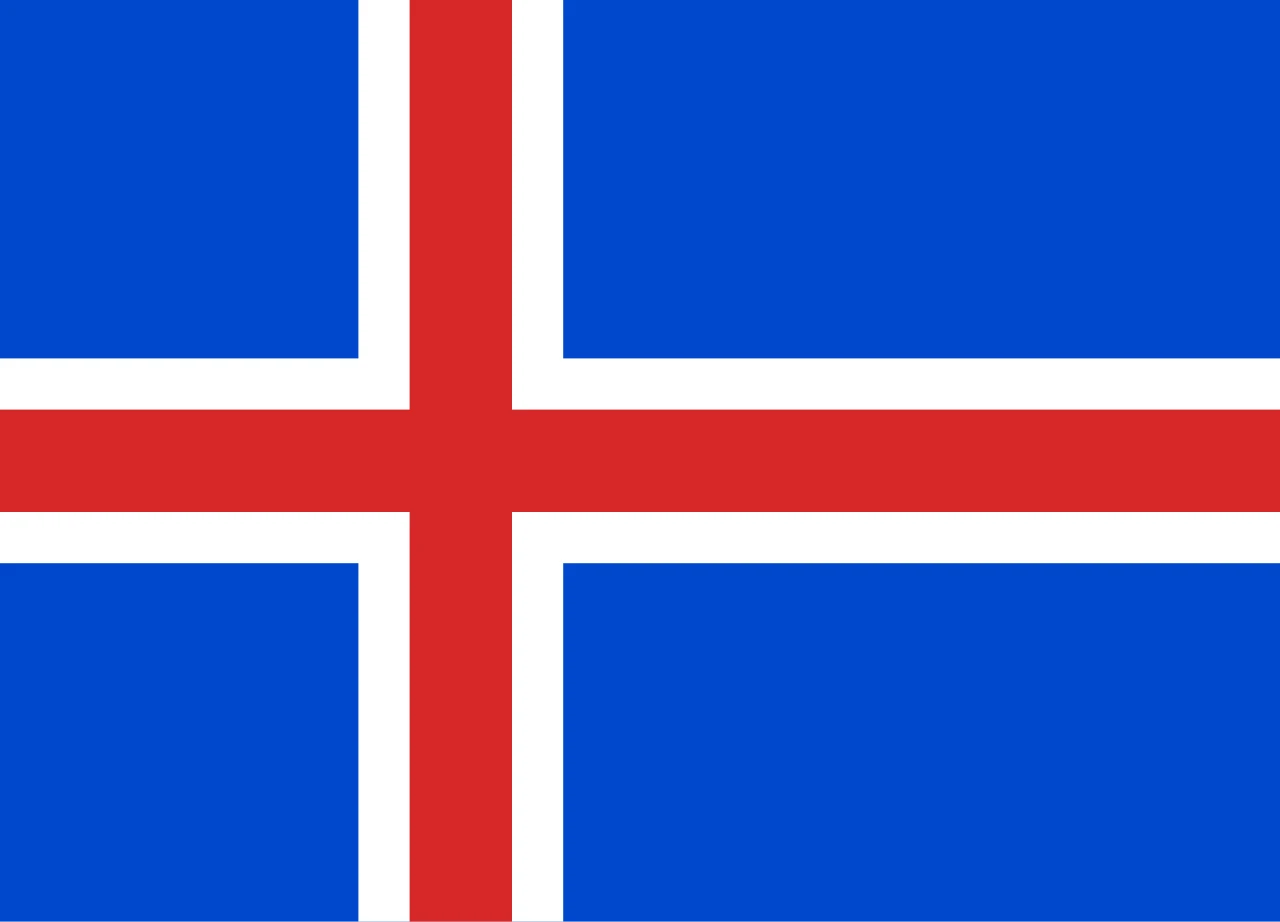
The King of Denmark did not accept it, because it looked too much like the flag of Greece. The solution was to put a red cross inside the white one. A royal decree approved that design on 19 June 1915, and it is the one Iceland uses today.
How it has changed
The red cross inside the white one has been the same since 1915. Before there was another flag and, after, a change of shade.
From 1915 it can be used on land and near the coast, but not on the high seas. In 1918 Iceland becomes a kingdom united to Denmark only by the king, and the flag becomes that of the state, at sea as well.
1944
The independent republic is born. A law fixes the measurements of the flag and changes its blue for a darker shade.
Other flags and proposals
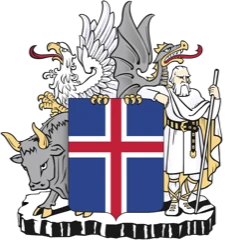
The red cross was put inside the white one because the King of Denmark did not want a flag that looked like that of Greece. These are the other proposals that were studied in the meantime.
The Icelandic constitutional commission of 1885 proposed a flag very different from the current one: a red St Andrew’s cross on a white ground. It was not adopted, and the model that ended up winning was the Nordic cross.
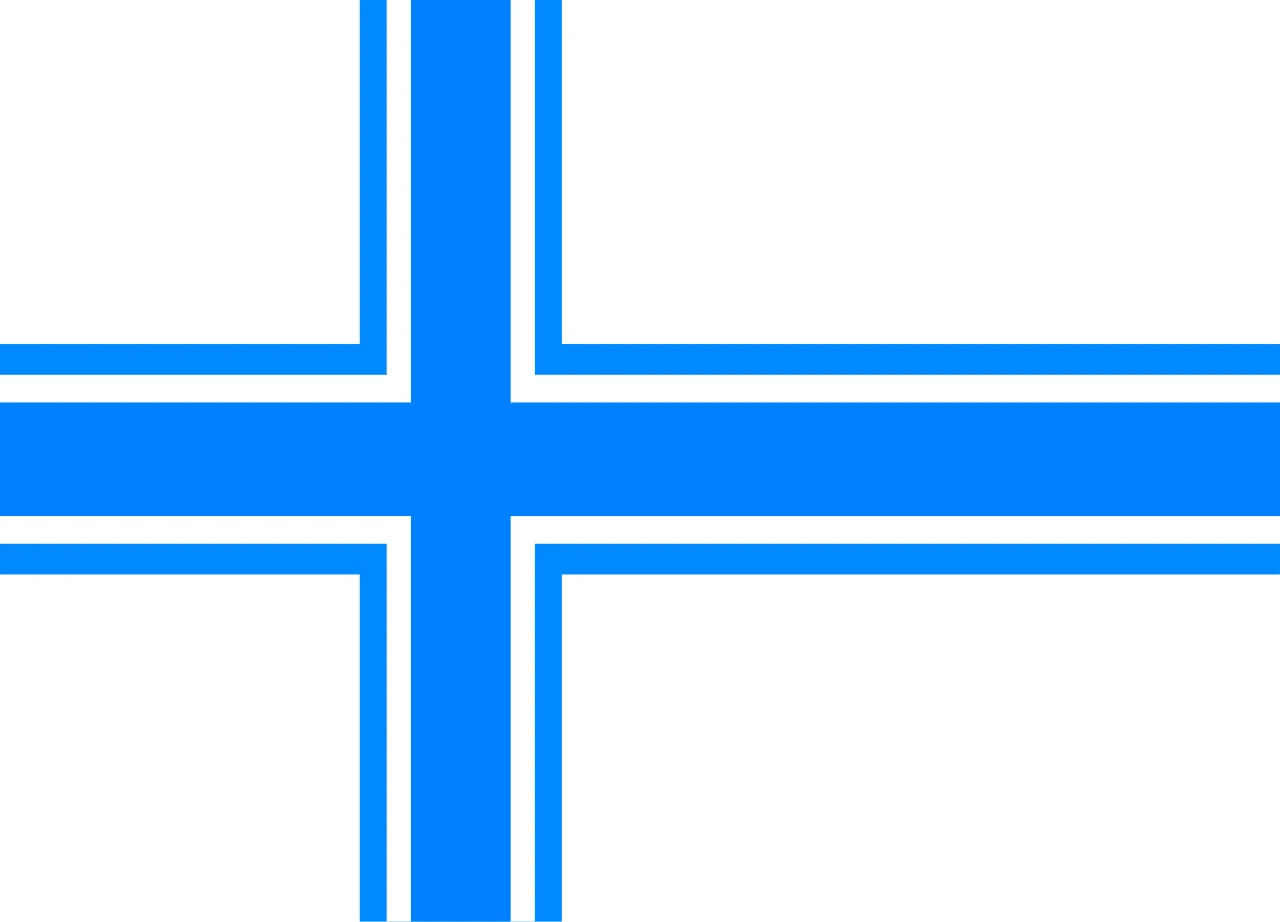
The commission appointed by the Parliament in 1913 received 28 drawings. It presented two: the one approved in 1915, which is the current flag, and this one, a white field with a blue cross flanked by two stripes.
What it means
According to Matthías Þórðarson, the author of the 1915 design, the colours speak of the landscape of the island:
Blue
the mountains.
White
the ice and the snow.
Red
the fire of the volcanoes.
Cross
the link with the Nordic countries.
Another explanation says that the blue and the white were the traditional colours of Iceland and that the red recalls its ties with Norway.
Fun facts
A boat against a flag
On 12 June 1913, a young man called Einar Pétursson was rowing through the harbour of Reykjavík with the blue and white flag. A Danish coastguard boat stopped him and took the flag away. In protest, the city filled up with blue and white flags.
Greece’s fault
If the blue and white was never official it was because of its resemblance to the Greek flag, which also combines blue and white.
Before, a falcon
Around 1870 the painter Sigurður Guðmundsson proposed a silver falcon on blue. It flew in 1874, at the celebrations for the thousand years since the arrival of the first settlers.
Country facts
Where it is and what borders it.
Capital
Reykjavík
Area
103,000 km²
Country
Iceland
Continent
Europe
Subregion
Northern Europe
Independent state
Yes
UN member
Yes
ISO code
ISL · IS
How much have you learnt?
Test what you have read about the flag of Iceland.