Skip to content

Wiki Banderas
Open menu

Bandera de Sacanyet

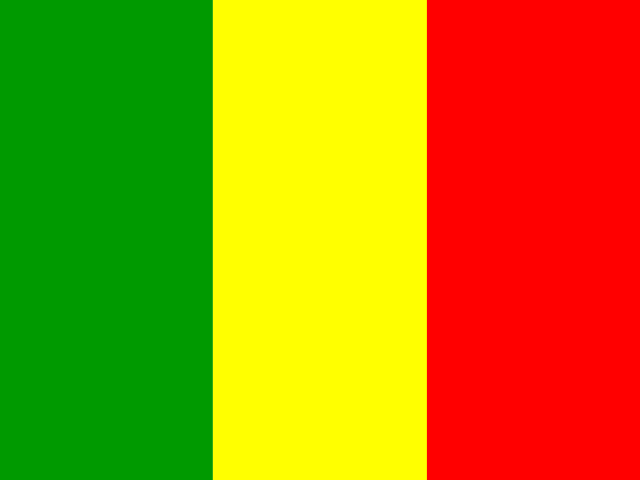
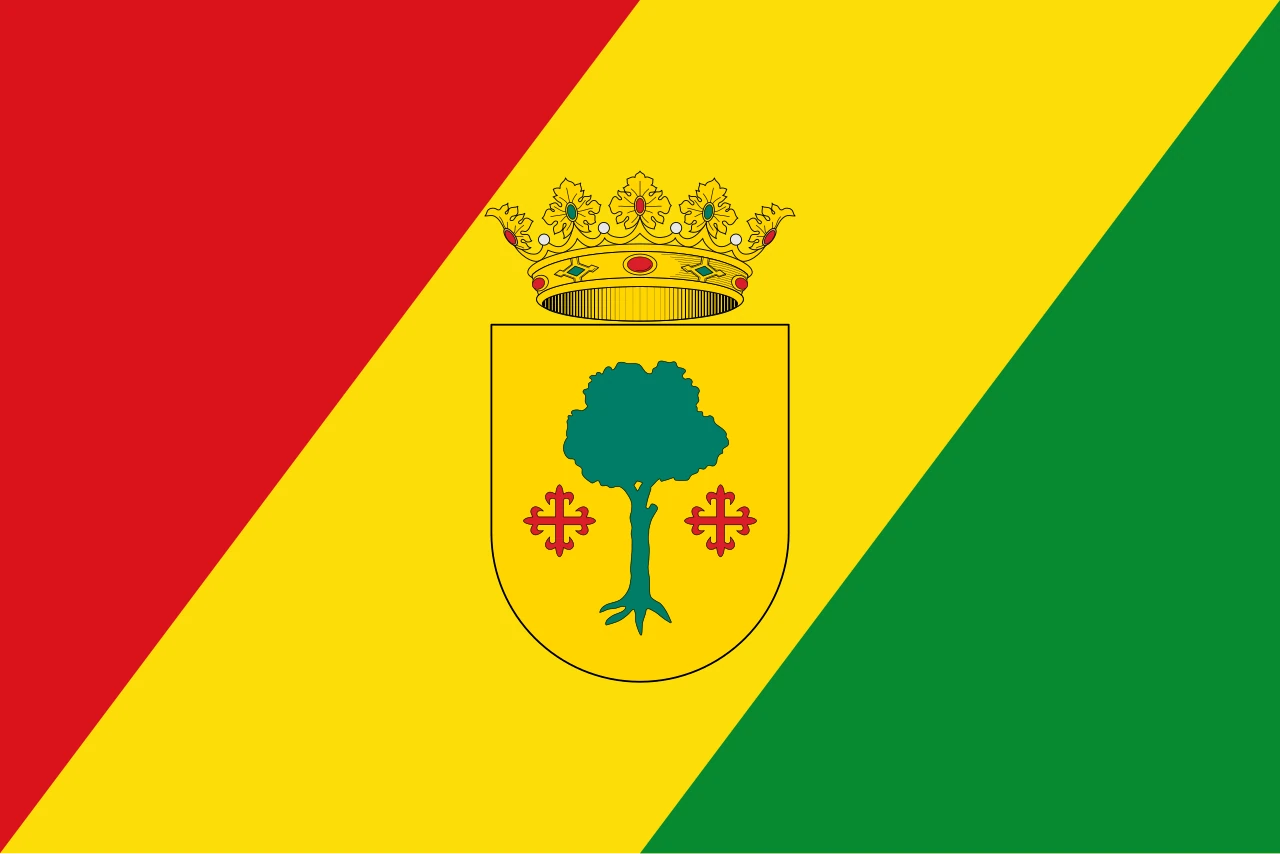
Divided horizontally in three: red by the flagpole, yellow in the centre and green on the free side, with the municipal coat of arms on top.

Bandera de Sacanyet
Coat of arms

The flag, in figures

Every fact about the flag, each with what it means.

Proportions
2:33 wide for every 2 high. 989 flags in the catalogue share it.
Properties
Normal flagFIAV symbol: the form of the flag.
Use
CivilFIAV symbol: who may fly the flag.
Adopted
200220 February 2002 · 24 years ago
Colours
  • red
  • yellow
  • green
Reference shades: the official one may vary slightly.
Coat of arms
YesIt carries the coat of arms on the cloth.
12

Take a closer look

  1. The three diagonal stripes

  2. 1

    The royal crown

  3. 2

    The holm oak

How it is described

The flag in the words of vexillology and heraldry.

Vexillological description

It is a rectangular field with a 2:3 ratio, divided into three horizontal stripes of equal height: red by the flagpole, yellow in the centre and green at the fly. The municipal coat of arms goes in the centre of the field.

Field (the cloth)
three equal horizontal stripes.
Stripe by the flagpole
red.
Central stripe
yellow.
Fly-side stripe
green.
Coat of arms
centred, over the yellow stripe.

What it carries

Each element and how many of the 1,390 flags in the catalogue carry it. In yellow, the rarest.

Its history in dates

Every date in its story, at a glance.

  1. 1842

    In fact, the municipality lay within the territory of Begís until 1842

  2. 2001

    Its coat of arms was approved by Resolution of 12 July 2001

  3. 2002

    The flag came just seven months later, by Resolution of 20 February 2002, published in DOGV number…

The full story

How it was born, how it has changed and what it means.

The flag of Sacanyet is among the cleanest in the País Valencià: three stripes of pure colours and, on top, the coat of arms. The three are those of the Crown of Aragon, and the coat of arms supplies the only thing they were missing.

How it came about

Sacanyet is a municipality of the Alt Palància. Its coat of arms was approved by Resolution of 12 July 2001, of the conseller de Justícia i Administracions Públiques, published in DOGV number 4,077. The flag came just seven months later, by Resolution of 20 February 2002, published in DOGV number 4,220.

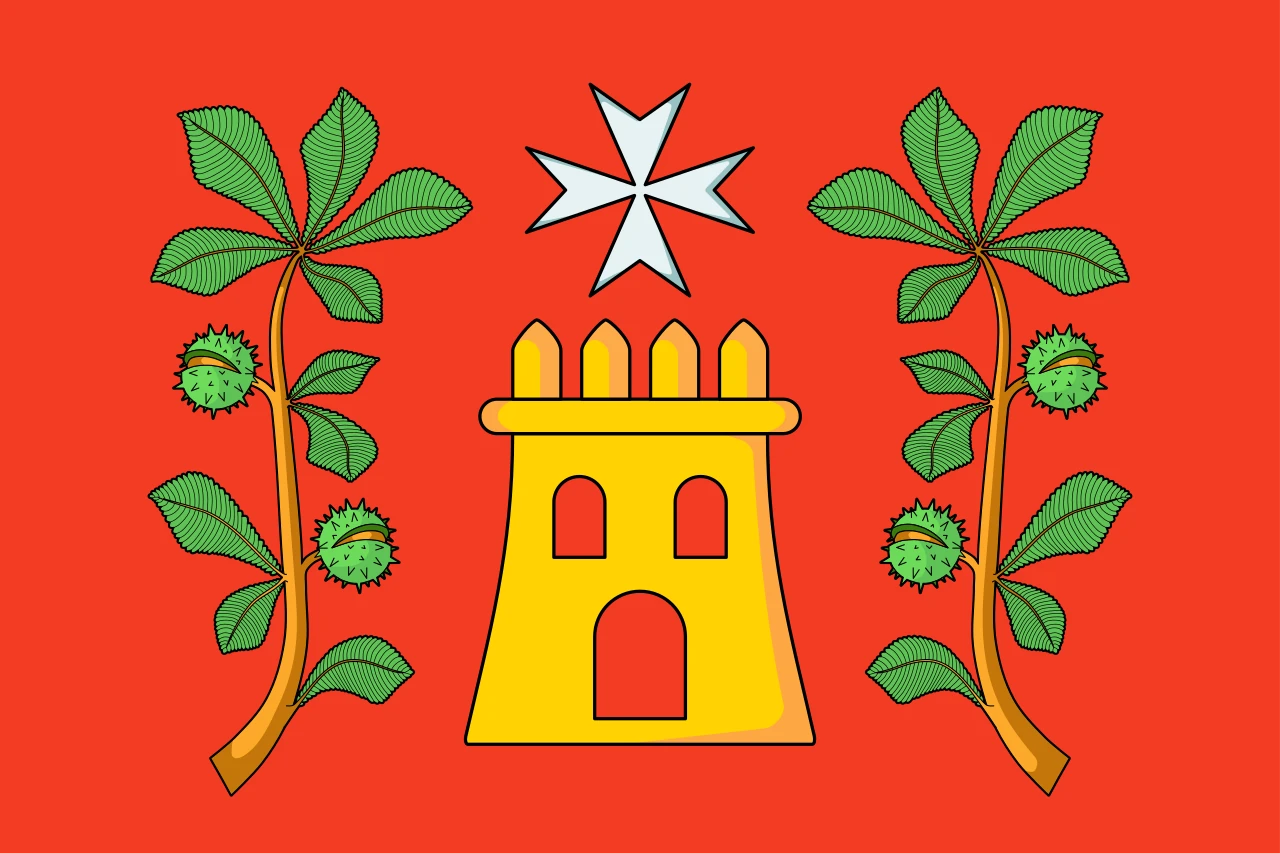
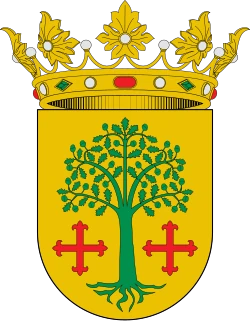
The coat of arms bears an alzina —a beech, the traditional tree of the town— and the crosses that recall that Sacanyet belonged to the commandery of Begís, of the Order of Calatrava. In fact, the municipality lay within the territory of Begís until 1842.

How it has changed

It has never changed. It was approved in 2002 and there are no documented later modifications.

What it means

  • Red and yellow

    the colours of the Crown of Aragon, on the first and central stripes.

  • Green

    the fly-side stripe.

  • Coat of arms in the centre

    the municipal arms, with the beech grove and the crosses.

Fun facts

  1. Seven months between arms and flag

    The coat of arms was approved on 12 July 2001 and the flag on 20 February 2002: barely seven months. It is among the fastest approvals in the whole País Valencià, and probably because the design was already clear.

  2. The town belonged to Begís until 1842

    The crosses on the coat of arms of Sacanyet are not an ornament: they recall that the municipality belonged to the commandery of Begís, of the Order of Calatrava. And it is not a vague reference: Sacanyet lay within the territory of Begís until 1842.

  3. Three colours of Aragon and nothing more

    The stripes are red, yellow and green: the three of the senyera, but instead of nine narrow stripes here there are only three, equal, as a simplification. The coat of arms is the only thing that breaks the symmetry.

Localisation

How much have you learnt?

Test what you have read about the flag of Sacanyet.

  1. 1. Which one is the flag of Sacanyet?

  2. 2. Which of these elements appears on the flag?

  3. 3. What are the proportions (height:width) of the flag?

  4. 4. In which year was the current flag adopted?

Sources

Sources consulted:

Credits

Flag image: Macondo, Wikimedia Commons · CC BY-SA 4.0.

More flags

Accessibility preferences

Accessibility statement

Quick profiles

Text and reading

Text size
Default
Line height
Default
Letter spacing
Default
Word spacing
Default

Colour

Motion and orientation

Cursor