Skip to content

Wiki Banderas
Open menu

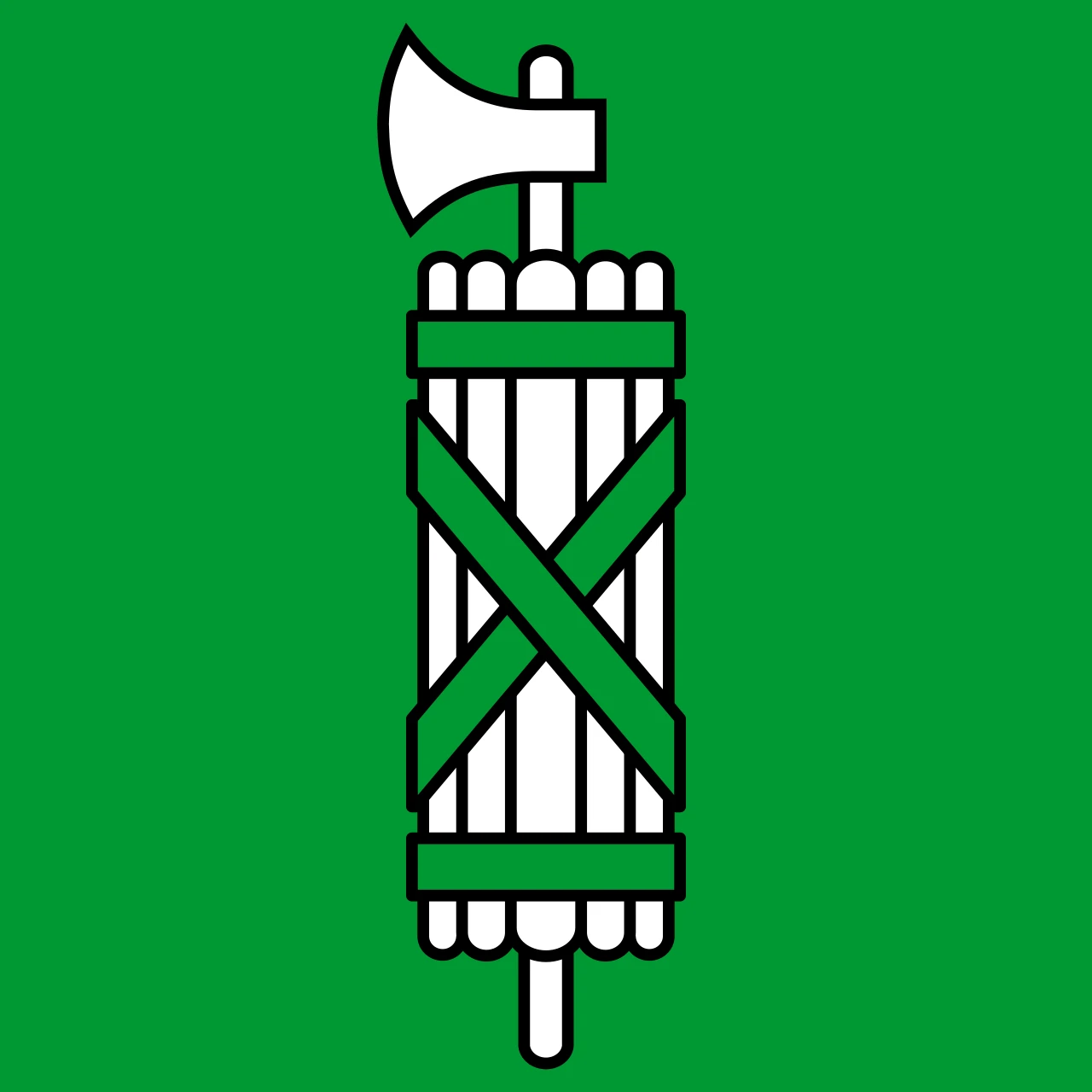
Flag of St Gallen

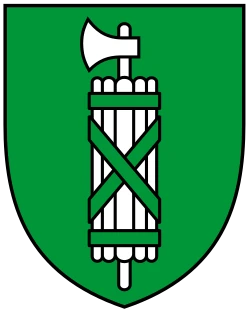
A white fasces on green: St Gallen commissioned its emblems in 1803 without copying anything medieval, and the axe was last redesigned in 2011.

Flag of St Gallen
Coat of arms

The flag, in figures

Every fact about the flag, each with what it means.

Proportions
1:11 wide for every 1 high. 29 flags in the catalogue share it.
Properties
Normal flagFIAV symbol: the form of the flag.
Use
CivilFIAV symbol: who may fly the flag.
Adopted
20111 March 2011 · 15 years ago
Colours
  • Green
  • White
Reference shades: the official one may vary slightly.
Coat of arms
YesIt carries the coat of arms on the cloth.
12

Take a closer look

  1. The plain green cloth

  2. 1

    The bundle of rods

  3. 2

    The axe

How it is described

The flag in the words of vexillology and heraldry.

Vexillological description

It is a square field with a 1:1 ratio in green, with a white fasces in the centre.

Field
green and plain, with no divisions.
Charge
the charge is the main figure of the field; here it is a fasces, a bundle of rods with an axe on top.
Position
vertical and centred, with the blade of the axe facing the flagpole (the pole it is hoisted from).
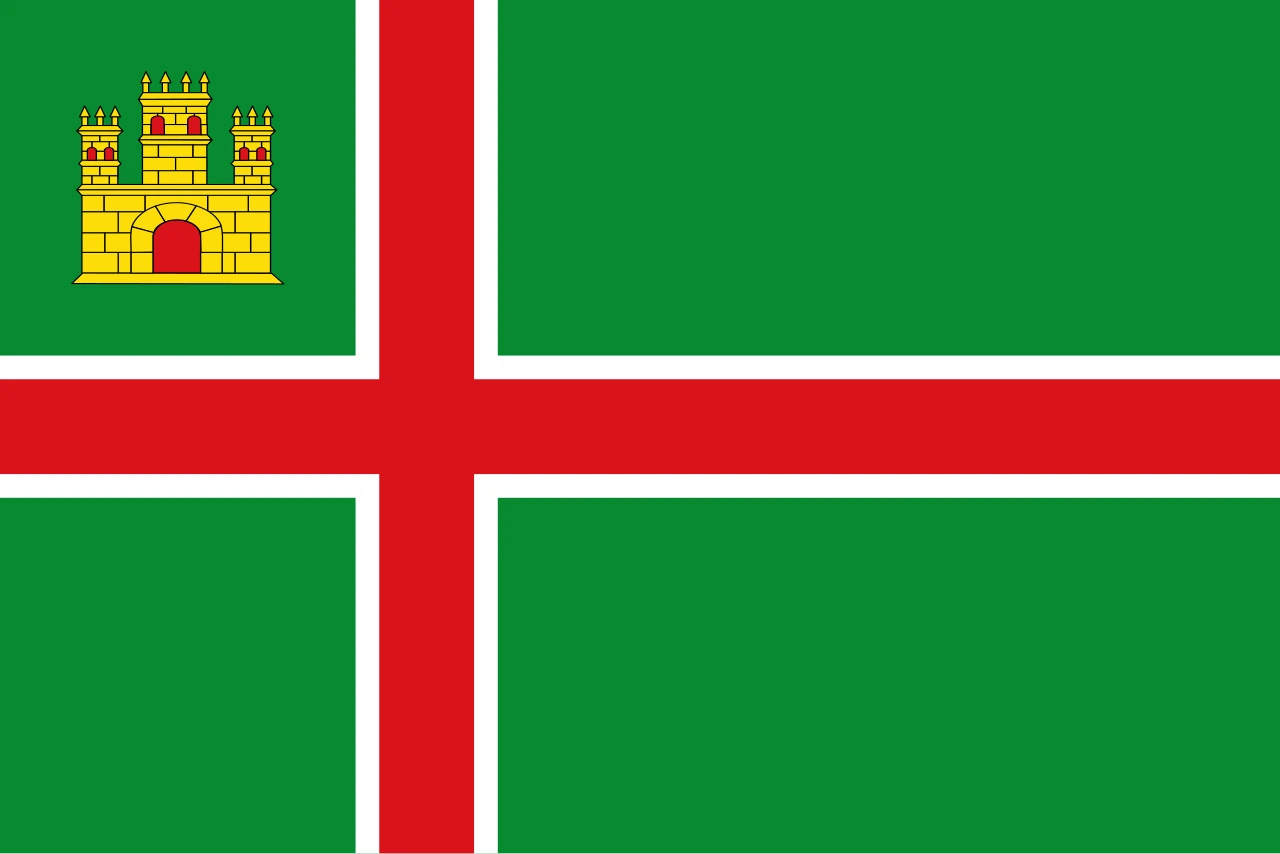
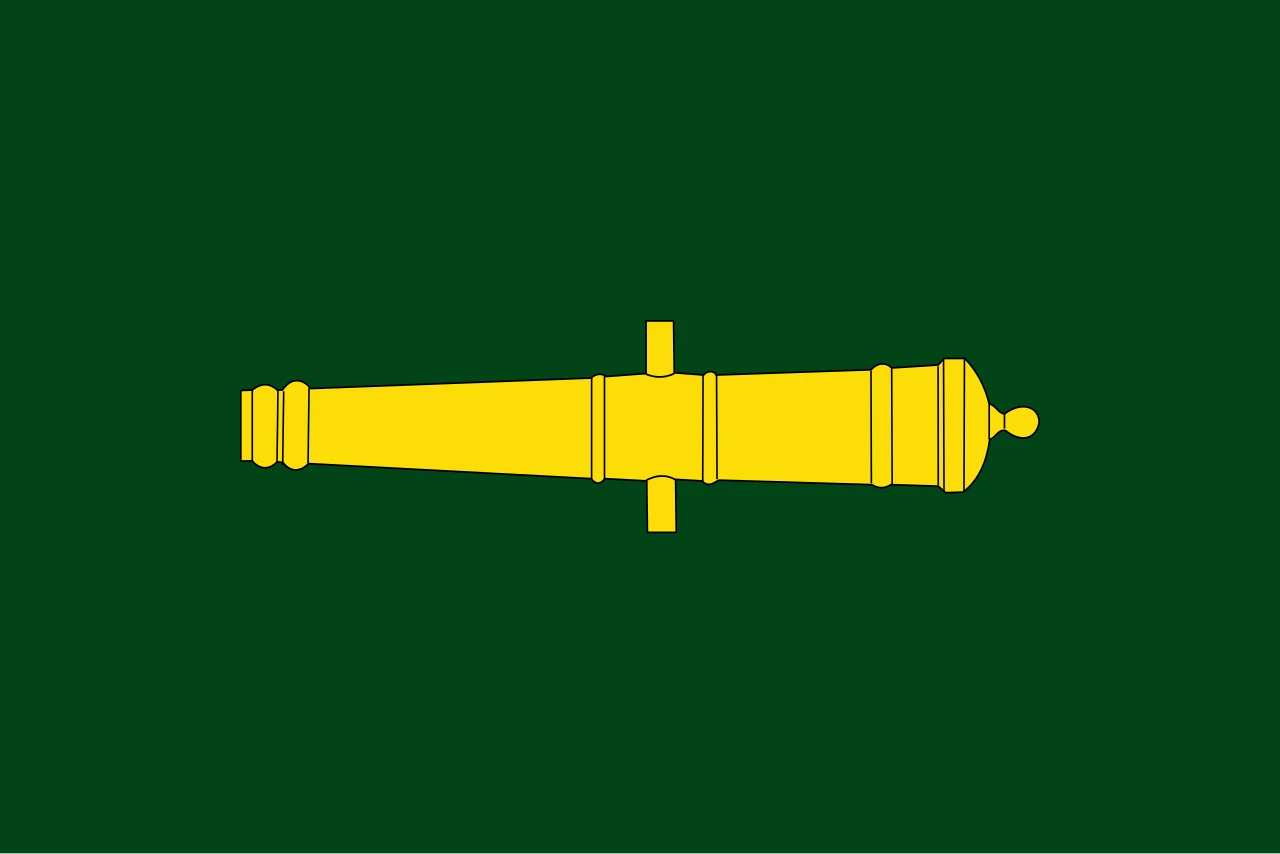
What it carries

Each element and how many of the 1,390 flags in the catalogue carry it. In yellow, the rarest.

Its history in dates

Every date in its story, at a glance.

  1. 1798

    The canton was created in 1798 for the Helvetic Republic and reorganised in 1803 with…

  2. 1803

    It looks like an ancient symbol, but it is an invention of 1803: the canton was born alongside…

  3. 1843

    The official drawing has been retouched seven times —in 1843 the weapon changed from a halberd…

  4. 1981

    Axe: since 1981 it is understood as a tool of justice

The full story

How it was born, how it has changed and what it means.

The flag of St Gallen shows a white axe inside a bundle of bound rods, on a green ground. It looks like an ancient symbol, but it is an invention of 1803: the canton was born alongside its flag, inheriting nothing from the old city.

How it came about

The canton was created in 1798 for the Helvetic Republic and reorganised in 1803 with the Act of Mediation. The governor David von Gonzenbach then designed the coat of arms and the flag with no reference to any medieval past. He chose the fasces: the bundle of rods with an axe that Roman lictors carried before the magistrates as a sign of authority. The green was the colour of the revolution and of freedom, shared with Thurgovia and Vaud, created at the same time. The eight rods represented the eight original districts: a single stick can be broken, a bundle cannot.

How it has changed

The official drawing has been retouched seven times —in 1843 the weapon changed from a halberd to a battle axe; in 1946 the drawing was flattened and only five of the eight rods are visible— up to the resolution of 17 August 2010, in force since 1 March 2011, which removed the rear point of the axe and fixed the green as Pantone 355 C.

What it means

  • Green

    the revolutionary colour of 1803, a sign of liberty; today defined as Pantone 355 C.

  • Bundle of rods

    authority, justice, sovereignty and union of the canton; five rods visible out of the original eight.

  • Axe

    since 1981 it is understood as a tool of justice, not of war, and that is why it is drawn without a point.

Fun facts

  1. The axe carried a Swiss cross

    Until 1951, many official versions painted a black Swiss cross on the blade of the axe, introduced before the Second World War to make clear that the fasces was Swiss and not a nod to Italian Fascism.

  2. At first there was no flag

    The resolution of 1803 created the coat of arms and the seal, but no flag; the first military standards, of 1804, were green with a white cross and the motto CANTON SANCT GALLEN in gold.

  3. A salami squeezed by its string

    Each touch-up drew criticism of bureaucratic meddling; a detractor, cited by Flags of the World, ended up calling the local fasces a salami pinched by its string.

Localisation

How much have you learnt?

Test what you have read about the flag of St Gallen.

  1. 1. Which one is the flag of St Gallen?

  2. 2. Which of these elements appears on the flag?

  3. 3. What are the proportions (height:width) of the flag?

  4. 4. In which year was the current flag adopted?

Sources

Sources consulted:

Credits

Flag image: Autor desconocido, Wikimedia Commons · Public domain.

More flags

Accessibility preferences

Accessibility statement

Quick profiles

Text and reading

Text size
Default
Line height
Default
Letter spacing
Default
Word spacing
Default

Colour

Motion and orientation

Cursor