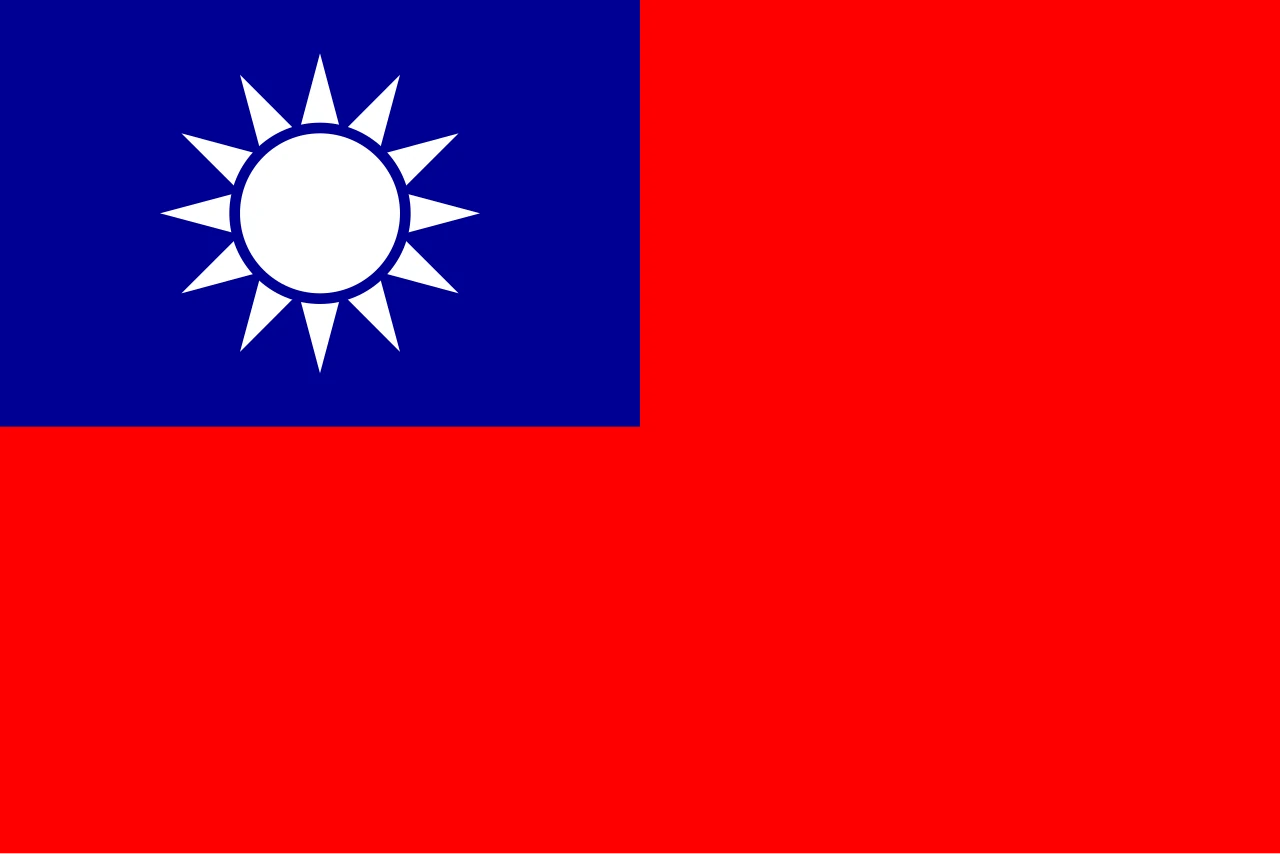
Lu Haodong drew the blue sky with the white sun in 1895
1911
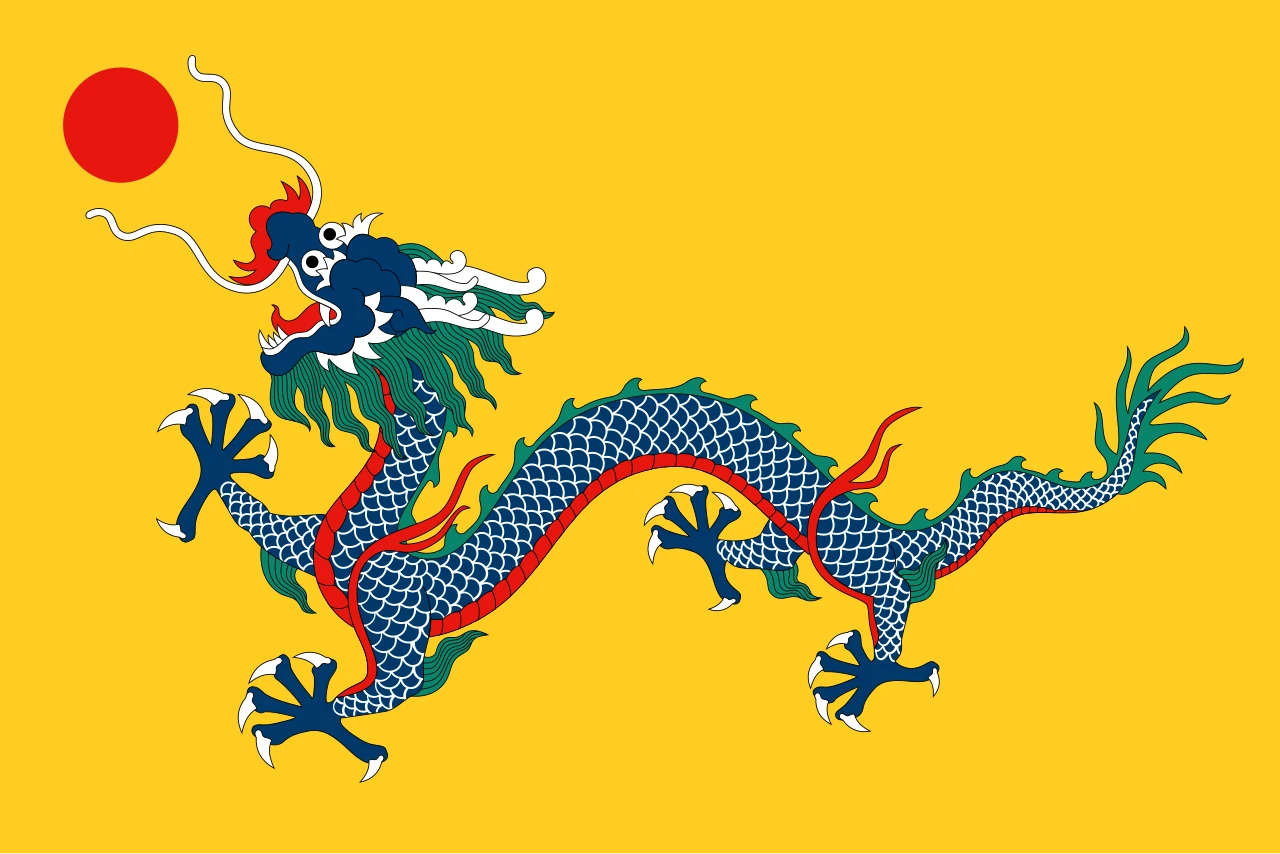
In 1911 a revolution ended the Qing dynasty, the last family of emperors
1912
Five stripes of colour, one for each great people of the country: that was the flag…
1928
The Five Races flag, national until the Nationalist government replaced it on 17 December 1928
1949
It was called the ‘Five Races Flag’, and it must not be confused with the red flag of today’s…
The full story
How it was born, how it has changed and what it means.
Five stripes of colour, one for each great people of the country: that was the flag of the Republic of China between 1912 and 1928. It was called the ‘Five Races Flag’, and it must not be confused with the red flag of today’s China, which arrived in 1949.
How it came about
In 1911 a revolution ended the Qing dynasty, the last family of emperors. The revolutionaries had not a single flag: each region used its own. When the republic was formed, the provisional Senate chose the five-stripe flag as the national one, and adopted it on 10 January 1912.
The idea was the ‘union of the five races’: that the Han, the Manchu, the Mongols, the Hui Muslims and the Tibetans should feel part of the same country. The five colours already had a long history: in the time of the Sui dynasty, about 1,400 years ago, Chinese military standards used five colours to represent the five elements.
How it has changed
The Five Races flag did not change its drawing. What changed was the flag of China before and after it.
Sun Yat-sen’s favourite, the father of the republic. Lu Haodong drew the blue sky with the white sun in 1895. In 1912 it was only the flag of the navy, but in 1928 it won: it is the one Taiwan still uses.
What it means
Each stripe represented one of the five great peoples of the republic.
Red
the Han, the majority people.
Yellow
the Manchu, the people of the Qing emperors.
Blue
the Mongols.
White
the Hui, the Chinese Muslims.
Black
the Tibetans.
Fun facts
Sun Yat-sen did not like it
Sun Yat-sen defended the union of the five peoples, but not this flag: he said that putting one colour on top of another suggested that some peoples were above others.
Three flags for a republic
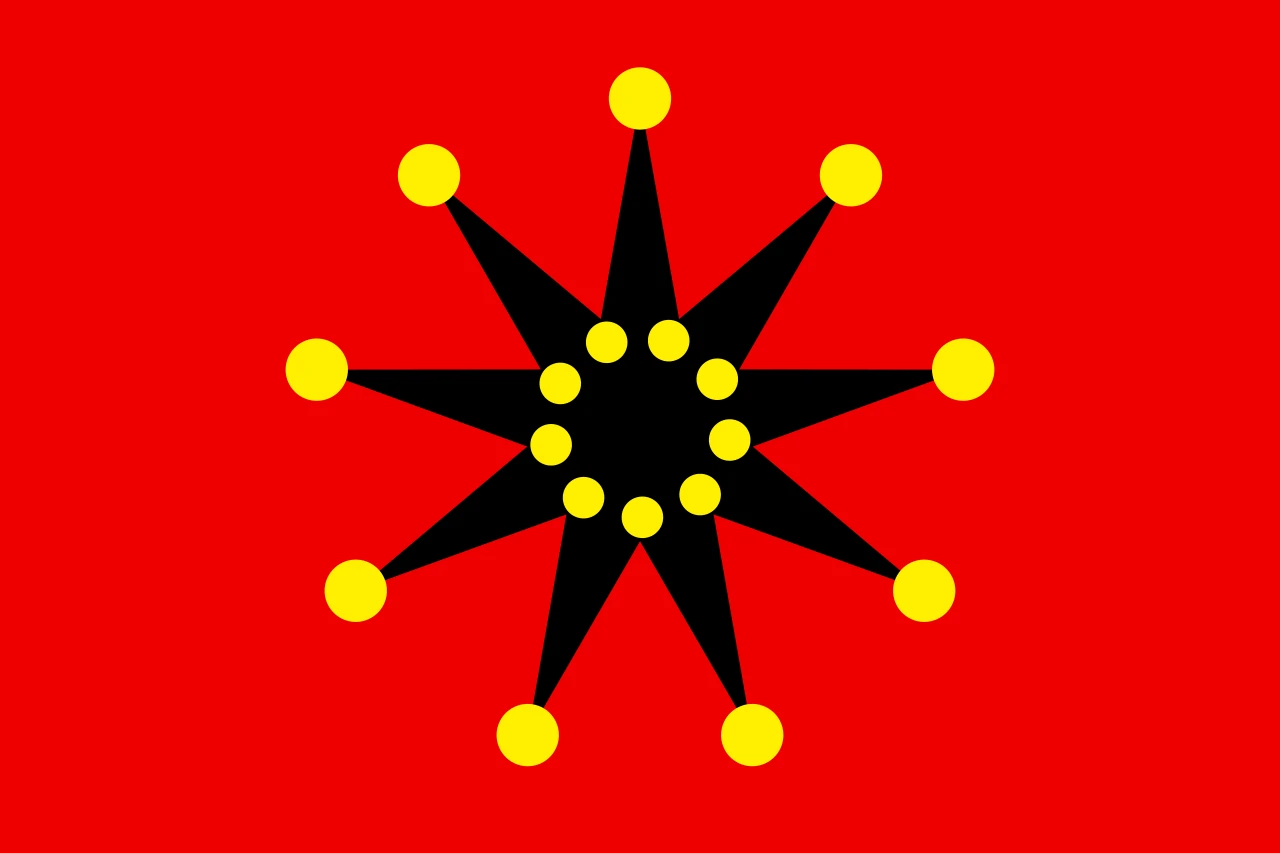
In 1912 the republic kept the three revolutionary flags: the five stripes for the country, the 18 stars for the army and the blue sky with the white sun for the navy.
Resurrected by its enemies
After 1928, several states created by Japan in northern China, such as Manchukuo, used flags that copied the five stripes with other colours or another order.
Location
Buy the flag
Buy the flag on AmazonAffiliate link: if you buy, Wiki Banderas receives a small commission.
Buy the flag on AmazonAffiliate link: if you buy, Wiki Banderas receives a small commission.
Buy the flag on AmazonAffiliate link: if you buy, Wiki Banderas receives a small commission.
Buy the flag on AmazonAffiliate link: if you buy, Wiki Banderas receives a small commission.
Buy the flag on AmazonAffiliate link: if you buy, Wiki Banderas receives a small commission.
How much have you learnt?
Test what you have read about the flag of Republic of China (1912-1928).