Every fact about the flag, each with what it means.
Proportions
2:33 wide for every 2 high. 989 flags in the catalogue share it.
Properties
Normal flagFIAV symbol: the form of the flag.
Use
CivilFIAV symbol: who may fly the flag.
Adopted
19844 October 1984 · 42 years ago
Colours
red
white
black
gold
Reference shades: the official one may vary slightly.
Coat of arms
YesIt carries the coat of arms on the cloth.
Take a closer look
The three stripes
1
The red stripe
2
The eagle of Saladin
3
The black stripe
How it is described
The flag in the words of vexillology and heraldry.
Vexillological description
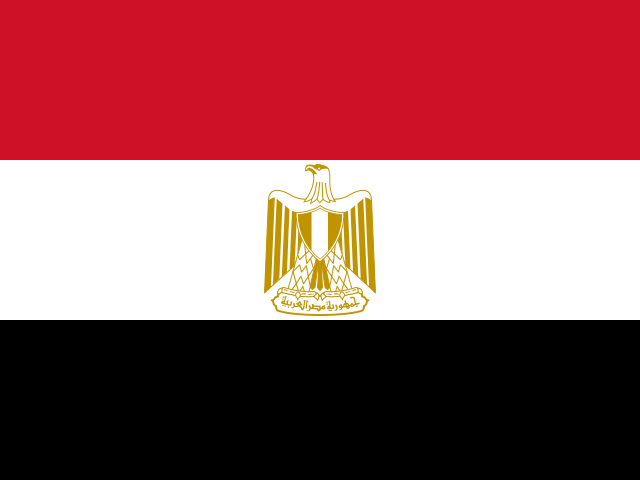
It is a rectangular field with a 2:3 ratio divided into three equal horizontal stripes, with a golden emblem in the centre of the white one.
Stripes
from top to bottom, red, white and black, of the same thickness.
Emblem
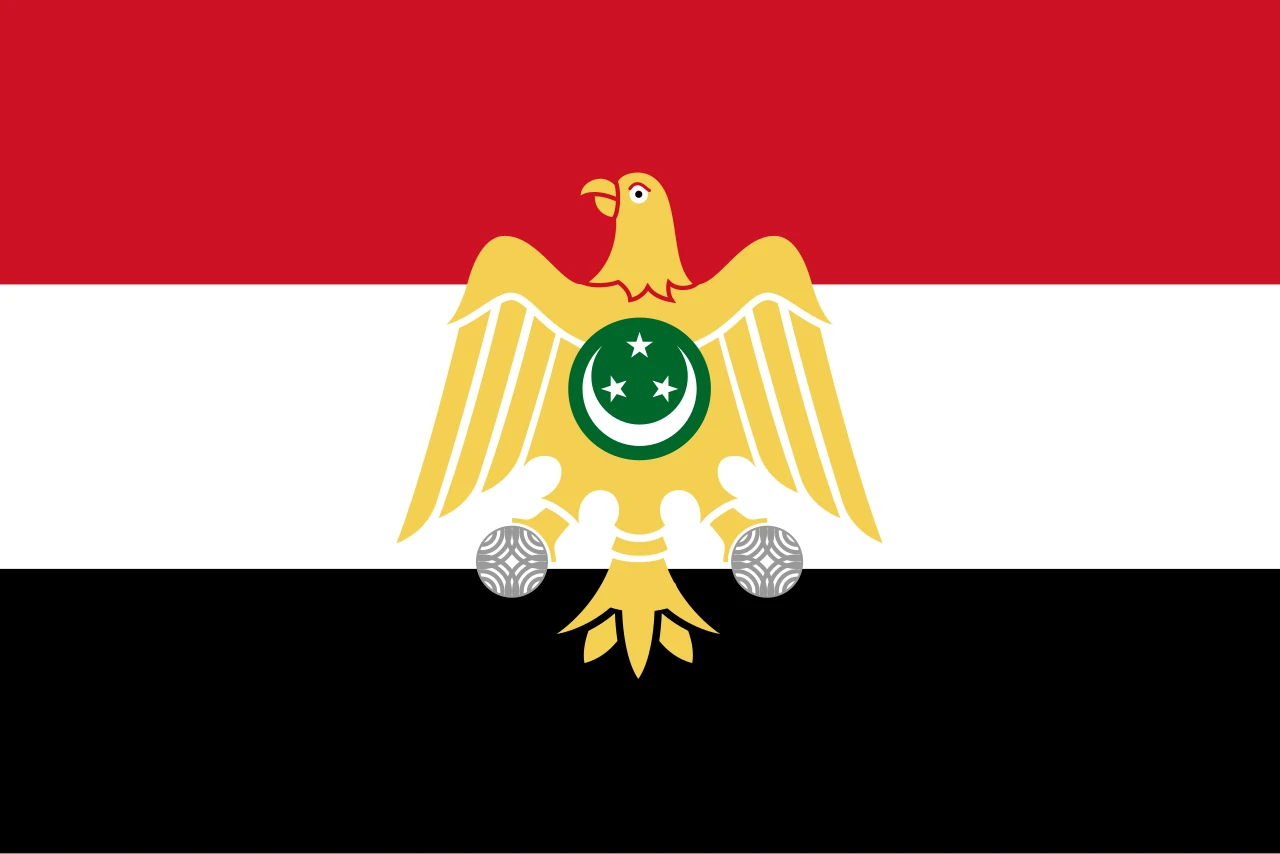
the eagle of Saladin, in gold and white, seated on a pedestal and with a shield on its chest. It takes up less than half the height of the white stripe and is centred on it.
What it carries
Each element and how many of the 1,390 flags in the catalogue carry it. In yellow, the rarest.
In 1922 the United Kingdom, which had controlled the country since 1882
1952
It was born with the revolution of 1952
1953
It stays official even after the republic is proclaimed in 1953
1984
On 4 October 1984 the eagle of Saladin returns, now all in gold and white
The full story
How it was born, how it has changed and what it means.
The flag of Egypt has three horizontal stripes, red, white and black, with a golden eagle in the centre. It was born with the revolution of 1952.
How it came about
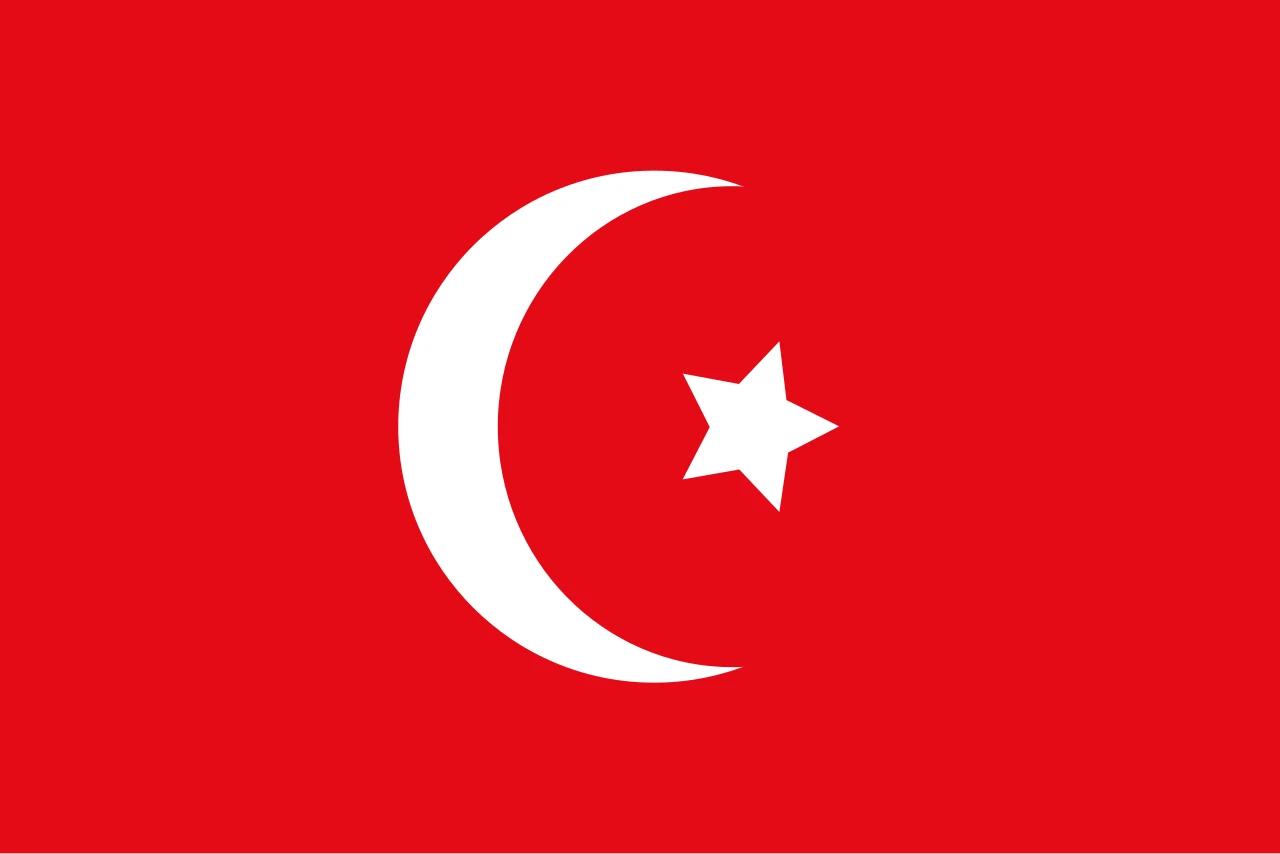
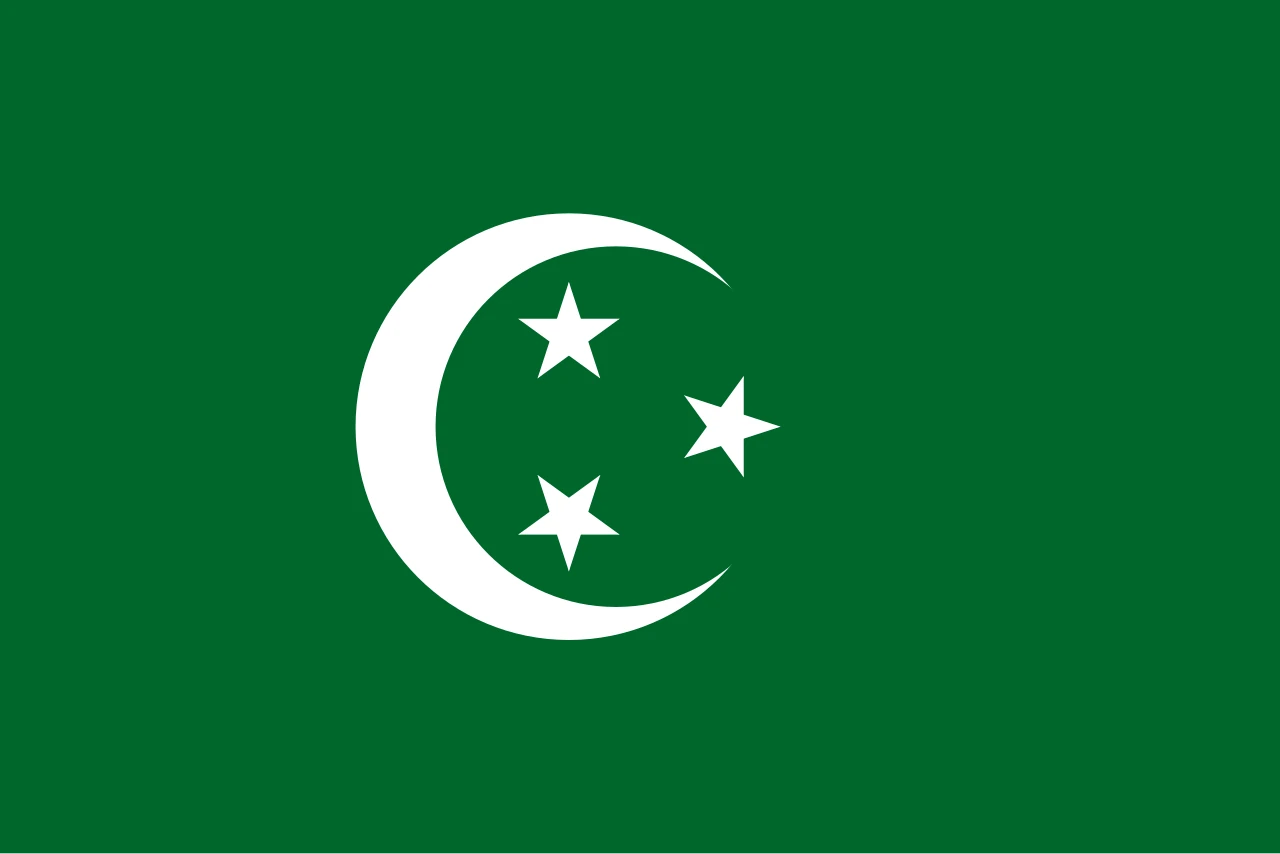
In the 19th century Egypt was part of the Ottoman Empire, and its flag was red with white crescents and stars, very like the Ottoman one. In 1922 the United Kingdom, which had controlled the country since 1882, recognised its independence, and the new kingdom chose a green flag.
In 1952 a group of soldiers, the Free Officers, overthrew King Farouk. They presented a ‘liberation flag’ with three stripes, red, white and black, and an eagle in the centre. Since then only the central emblem has changed.
How it has changed
Egypt has changed flags with every regime and every attempt at union with other Arab countries.
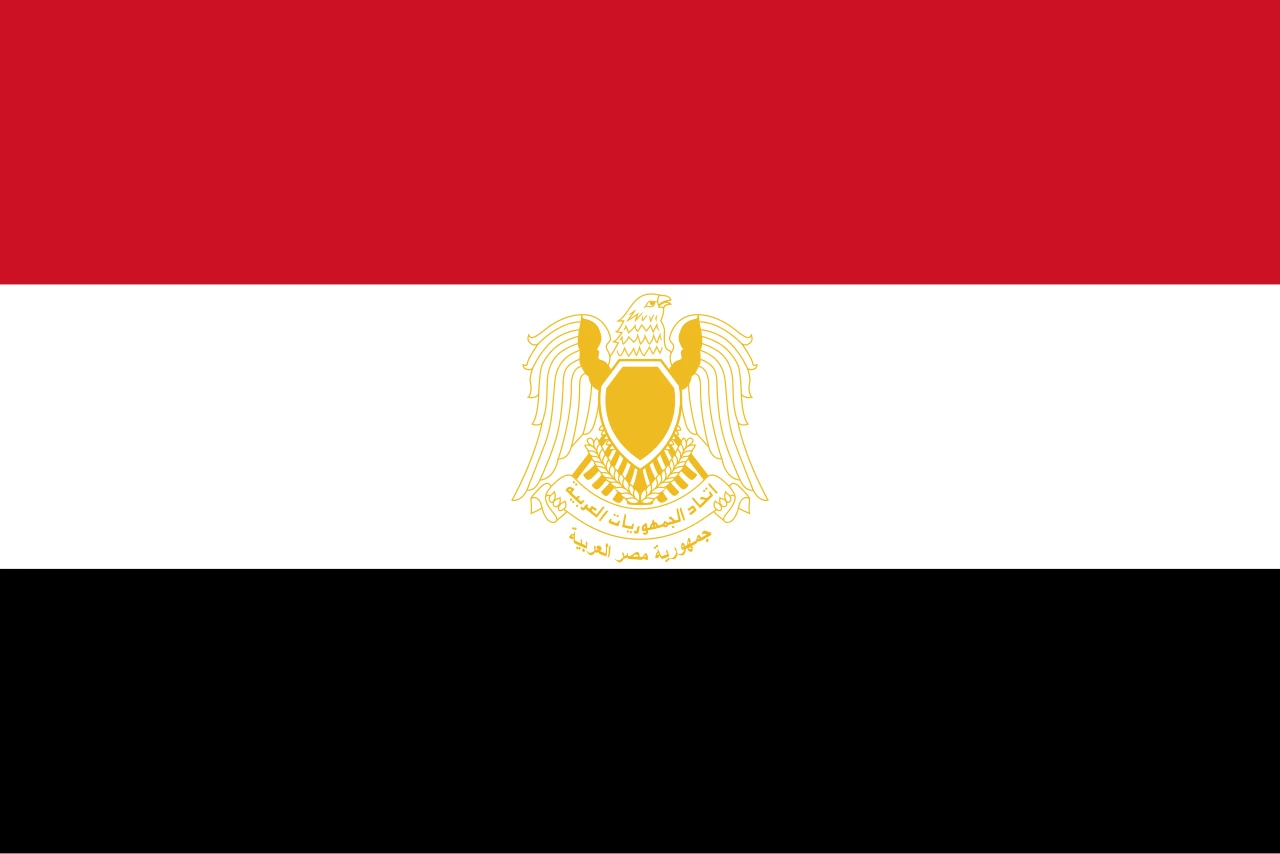
With the Federation of Arab Republics, alongside Syria and Libya, the stars give way to a golden falcon.
1984
On 4 October 1984 the eagle of Saladin returns, now all in gold and white.
What it means
This is the explanation given by the Egyptian State Information Service:
Red
the time before the 1952 revolution, marked by the struggle against the British occupation.
White
the 1952 revolution, which ended the monarchy without bloodshed.
Black
the end of the oppression the people suffered under the monarchy and British colonialism.
Eagle
the eagle of Saladin, the sultan who ruled Egypt and Syria in the 12th century.
The Free Officers gave another reading in 1952: red would be the blood spilled against colonialism, white the purity of heart and black the darkness left behind.
Fun facts
A crescent next to a cross
In the 1919 revolution against the British occupation, the demonstrators carried a green flag with a crescent and a cross, to show that Muslims and Coptic Christians were fighting together.
Mother of other flags
The red, white and black tricolour of 1952 inspired the flags of Iraq, Sudan and Yemen, which use the same three stripes and differ only in detail.
A name that outlived the union
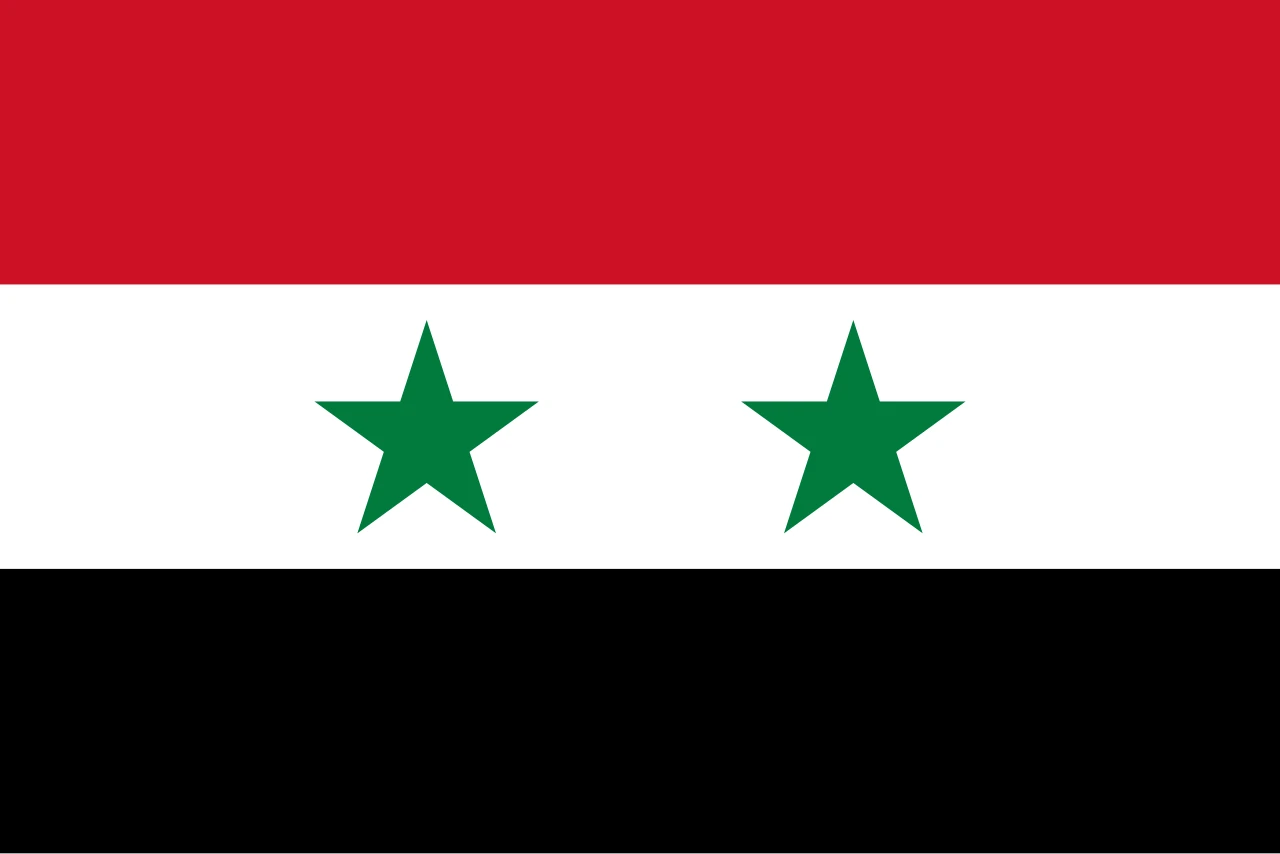
Syria left the United Arab Republic in 1961, but Egypt kept calling itself that until 1971 and kept using its two-star flag until 1972.
Buy the flag
Buy the flag on AmazonAffiliate link: if you buy, Wiki Banderas receives a small commission.
Buy the flag on AmazonAffiliate link: if you buy, Wiki Banderas receives a small commission.




 Israel
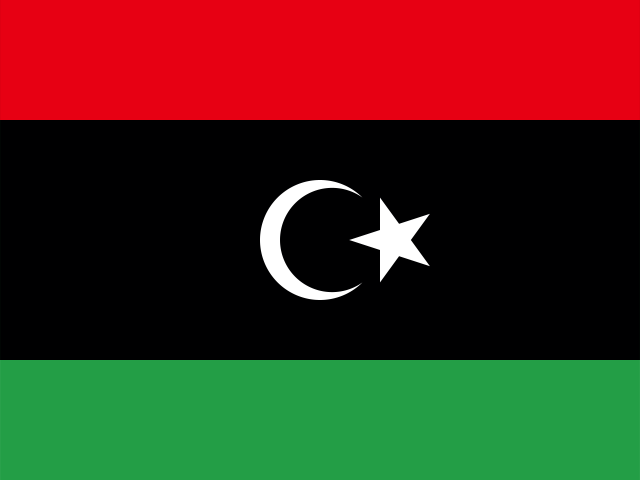 Libya
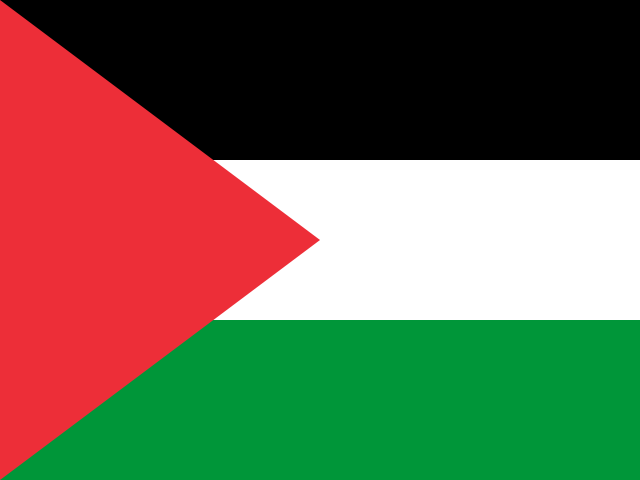 Palestine
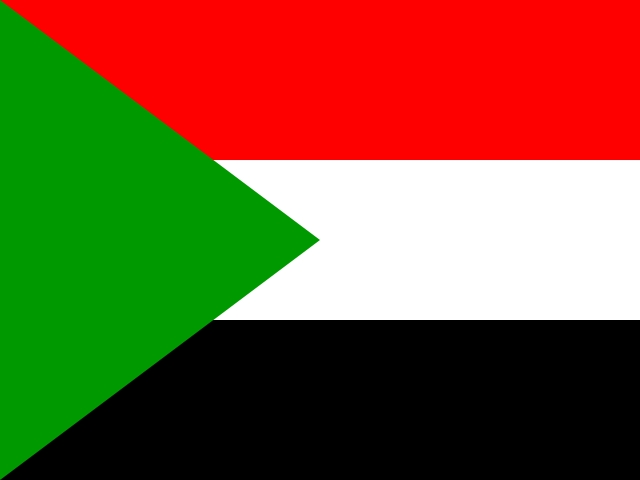 Sudan