Skip to content

Wiki Banderas
Open menu

Flag of Greece

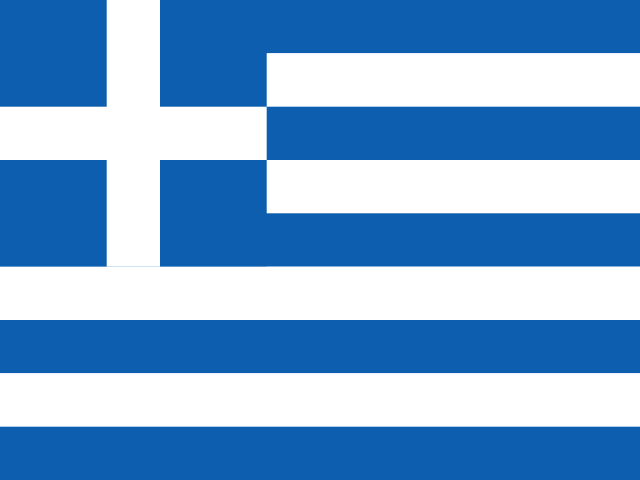
Nine blue and white stripes and a cross: the flag born in the Greek War of Independence that lived for a century and a half alongside another version.

Flag of Greece
Coat of arms

The flag, in figures

Every fact about the flag, each with what it means.

Proportions
2:33 wide for every 2 high. 989 flags in the catalogue share it.
Properties
Normal flagFIAV symbol: the form of the flag.
Use
Civil, state and military, on land and at seaFIAV symbol: who may fly the flag.
Adopted
197822 December 1978 · 48 years ago
Colours
  • blue
  • white
Reference shades: the official one may vary slightly.
Coat of arms
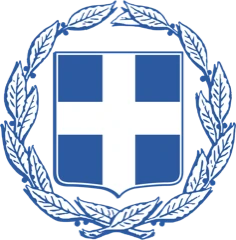
YesIt carries the coat of arms on the cloth.
Nickname
Galanólefki (the blue and white)
12

Take a closer look

  1. The nine stripes

  2. 1

    The blue canton

  3. 2

    The white cross

How it is described

The flag in the words of vexillology and heraldry.

Vexillological description

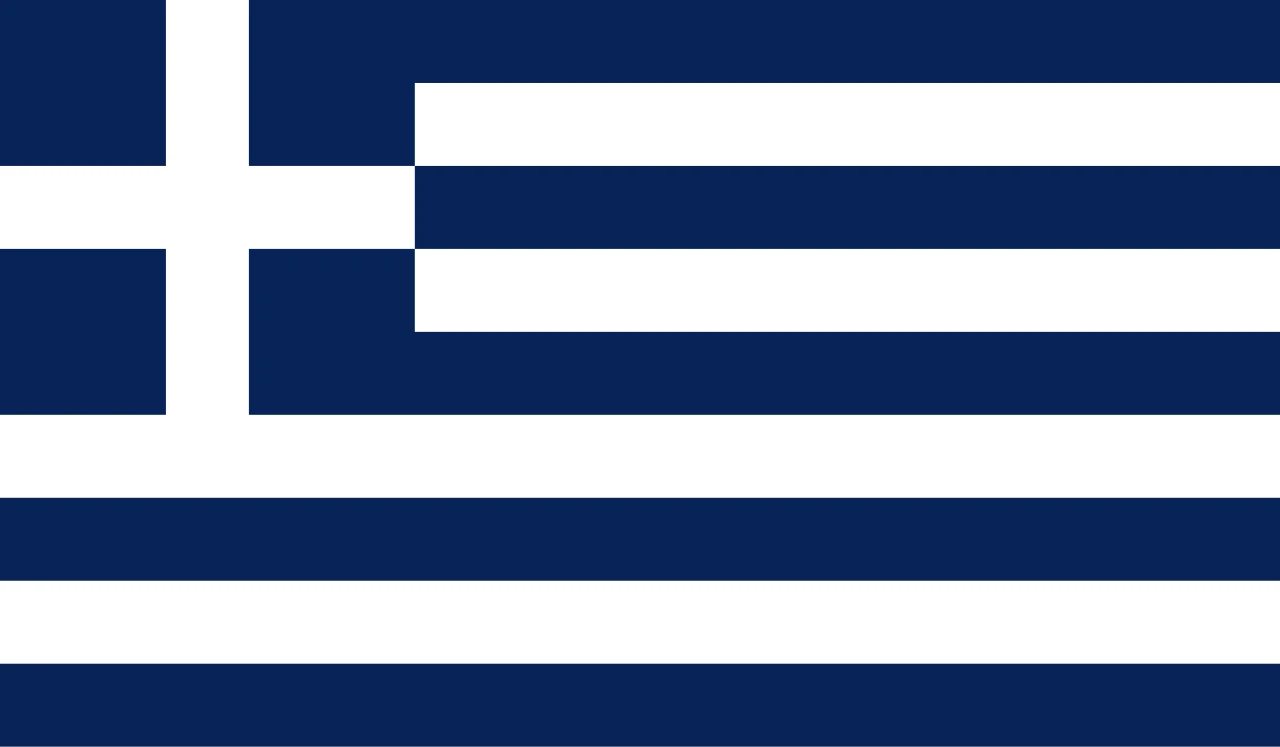
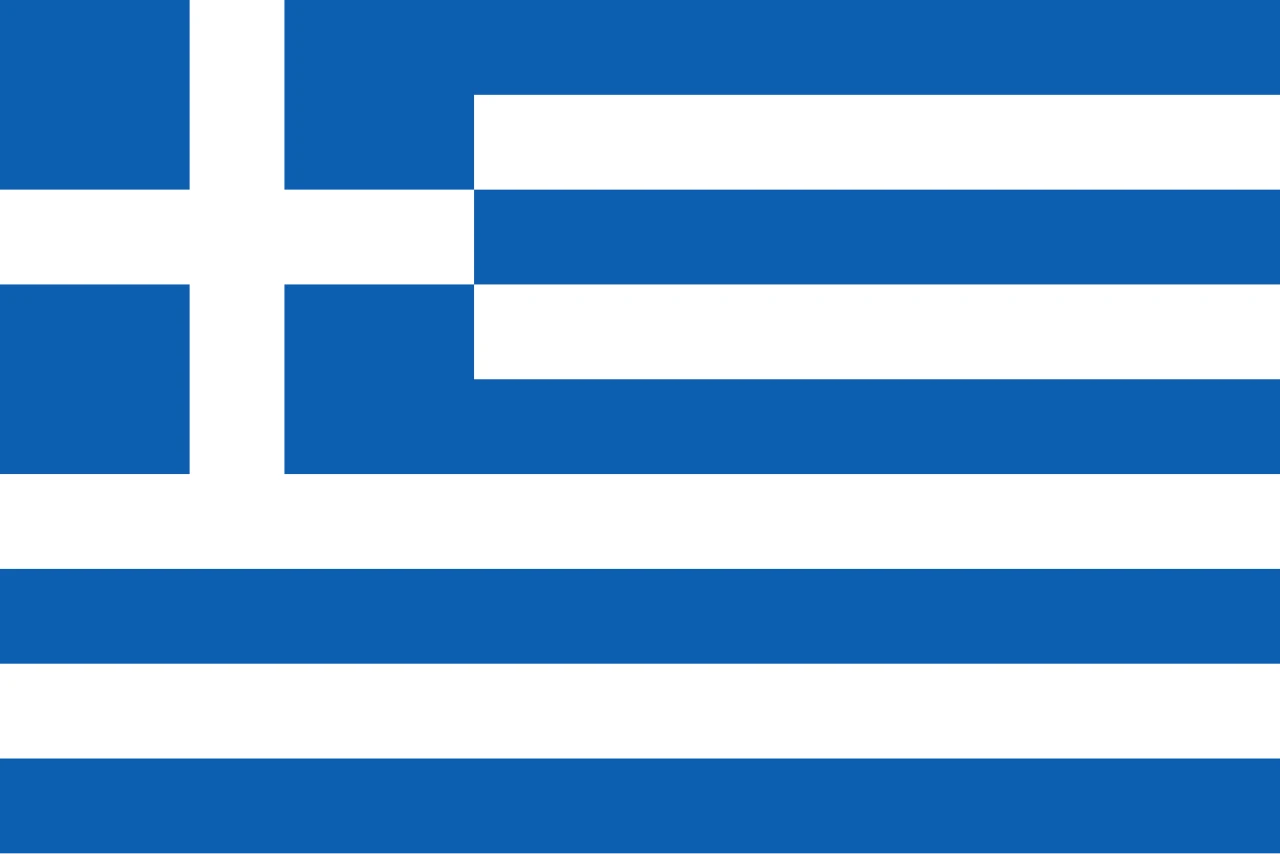
It is a rectangular field with a 2:3 ratio with stripes and a canton with a cross.

Stripes
nine alternating horizontal ones, blue and white, which begin and end in blue: five blue and four white.
Canton (the rectangle at the upper corner by the flagpole)
blue, with a white cross of equal arms that reaches the edges and takes up two stripes high by two wide.
Colour
an intense sky blue, fixed in 1978.
What it carries

Each element and how many of the 1,390 flags in the catalogue carry it. In yellow, the rarest.

Its history in dates

Every date in its story, at a glance.

  1. 1821

    In 1821 the Greeks revolted against the Ottoman Empire

  2. 1822

    In January 1822, the first National Assembly

  3. 1978

    Changes of regime went on adding and removing crowns until in 1978 only one was left

The full story

How it was born, how it has changed and what it means.

The flag of Greece has nine horizontal stripes, blue and white, and a blue square with a white cross in the corner by the mast. The Greeks call it Galanólefki, “the blue and white”. Today it is the only national flag, but for more than a century and a half it shared that role with another: the cross alone.

How it came about

In 1821 the Greeks revolted against the Ottoman Empire, which had ruled the country for almost four centuries. At the start of the war, each rebel leader fought with his own standard.

In January 1822, the first National Assembly, gathered at Epidaurus, chose blue and white as the colours of the country. In March of that year, a decree fixed two designs: a white cross on a blue ground for land use, and the striped version with the cross in the corner for ships.

How it has changed

For a long time Greece had two flags at once. Changes of regime went on adding and removing crowns until in 1978 only one was left.

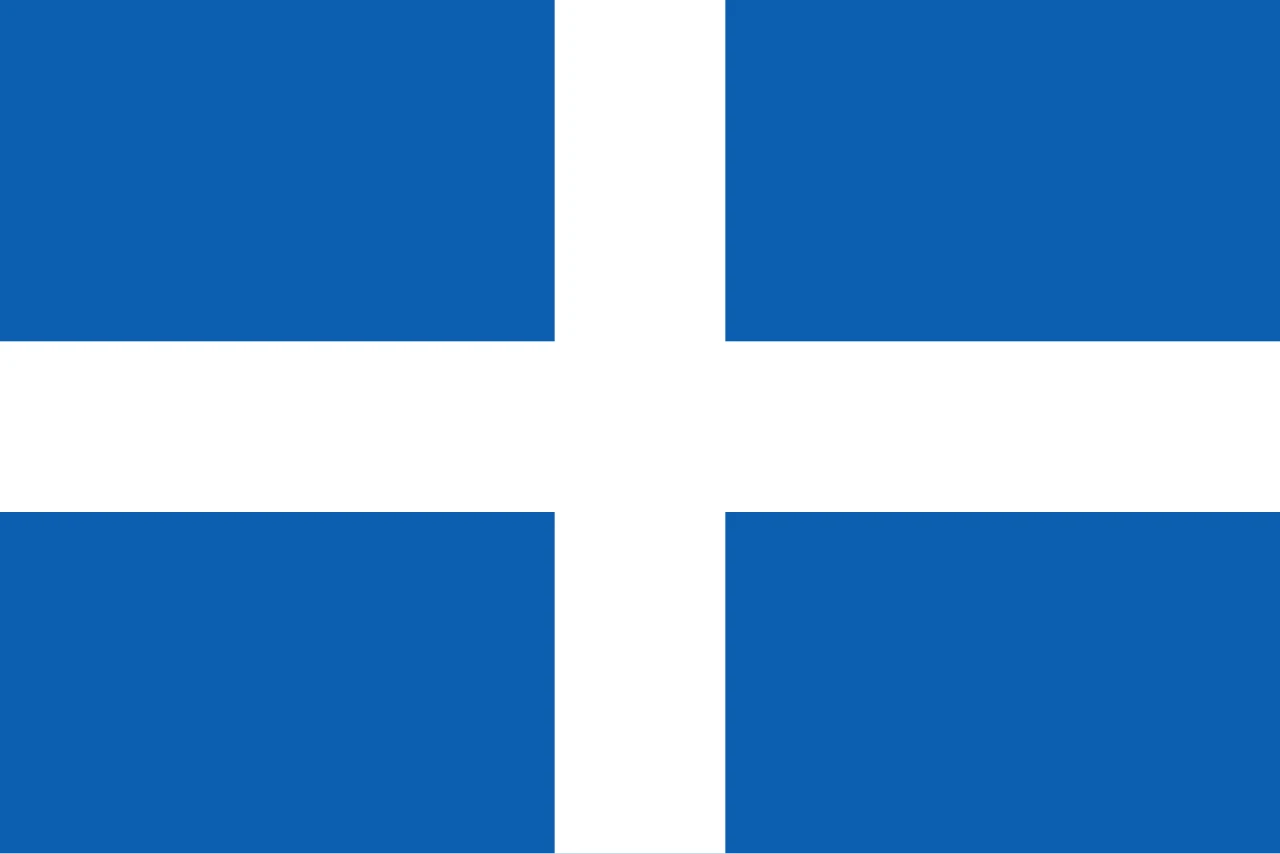
  1. Blue flag with a white cross
    User:Makaristos · Public domain

    1822

    The white cross on blue is the land flag. The striped one is reserved for the sea.

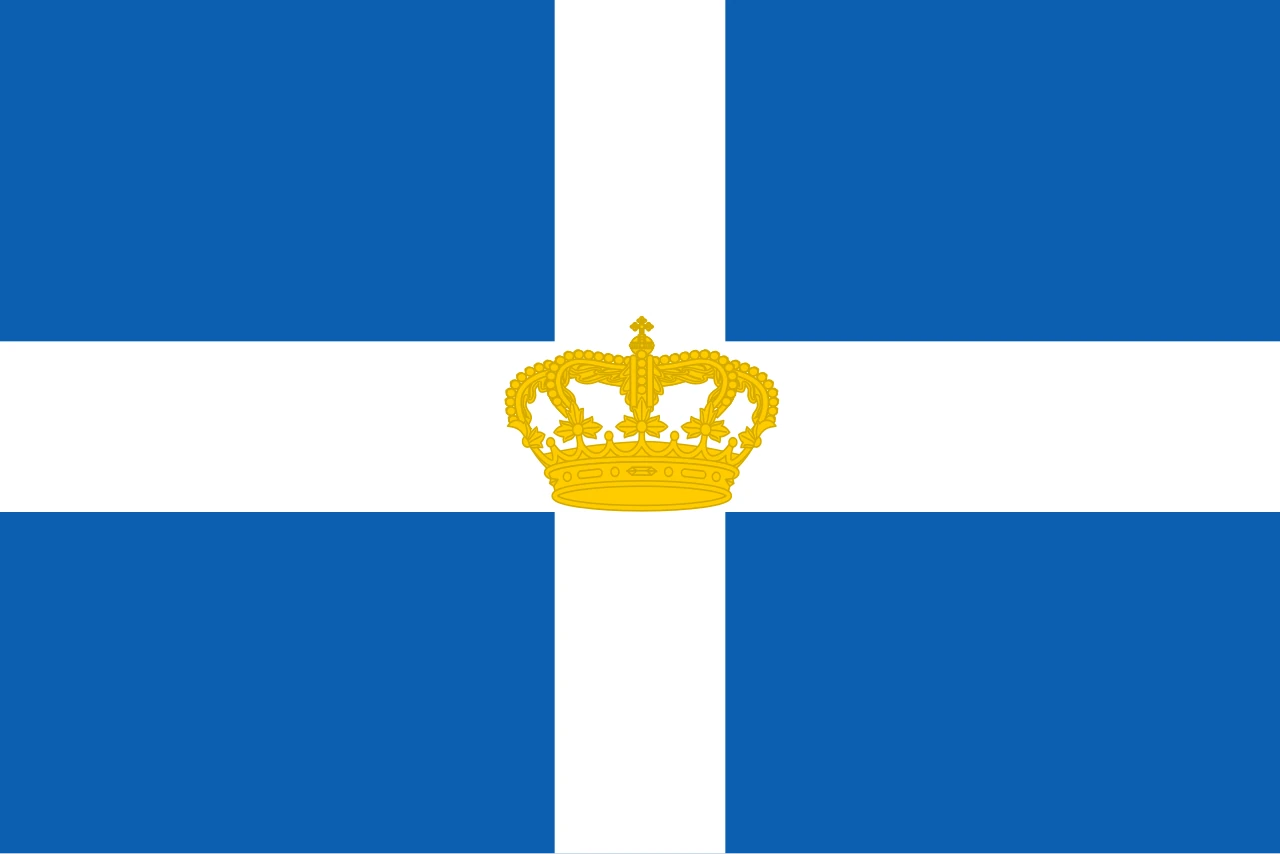
  2. Blue flag with a white cross and a golden crown in the centre
    User:peeperman · Public domain

    1863-1924 y 1935-1973

    With the kings, the state flag carries a crown in the centre of the cross. It disappears during the republic and returns with the monarchy.

  3. Striped flag with a very dark blue and more elongated
    SeNeKa, redone by Johannes Rössel · Public domain

    1970-1975

    The military dictatorship turns the striped flag into the only national flag, with a very dark blue and a more elongated shape.

  4. Blue flag with a white cross
    User:Makaristos · Public domain

    1975-1978

    After the fall of the dictatorship, the cross alone became the national flag again.

  5. Current flag of Greece

    1978

    A law chooses for good the striped flag as the only flag of the country.

What it means

No law explains the design, but there are very widespread interpretations:

  • Nine stripes

    the most popular explanation says they are the nine syllables of the independence motto, Eleftería i thánatos, “liberty or death”. Other readings speak of nine regions or of the waves of the sea.

  • White cross

    Orthodox Christianity, the religion of most Greeks.

  • Blue and white

    according to tradition, the sea and the sky of Greece.

Fun facts

  1. An undecided blue

    The 1978 law speaks of light blue, but in practice very different tones are used, from sky blue to navy blue.

  2. The army keeps the cross

    Although the official flag is the striped one, units of the land army parade with the old cross flag.

  3. At every Olympic closing

    At the closing of the Olympic Games, the first flag raised is the Greek one and its anthem is played, in honour of the country where the Games were born.

  4. A gesture of resistance

    On 30 May 1941, with Greece occupied by Germany, two young men, Manolis Glezos and Apostolos Santas, climbed the Acropolis of Athens and tore down the Nazi flag flying there.

Country facts

Where it is and what borders it.

Capital
Athens
Area
131,990 km²
Country
Hellenic Republic
Continent
Europe
Subregion
Southern Europe
Independent state
Yes
UN member
Yes
ISO code
GRC · GR

4 neighbouring countries

How much have you learnt?

Test what you have read about the flag of Greece.

  1. 1. Which one is the flag of Greece?

  2. 2. What are the proportions (height:width) of the flag?

  3. 3. In which year was the current flag adopted?

More flags

Accessibility preferences

Accessibility statement

Quick profiles

Text and reading

Text size
Default
Line height
Default
Letter spacing
Default
Word spacing
Default

Colour

Motion and orientation

Cursor