
Skip to content

Wiki Banderas
Open menu

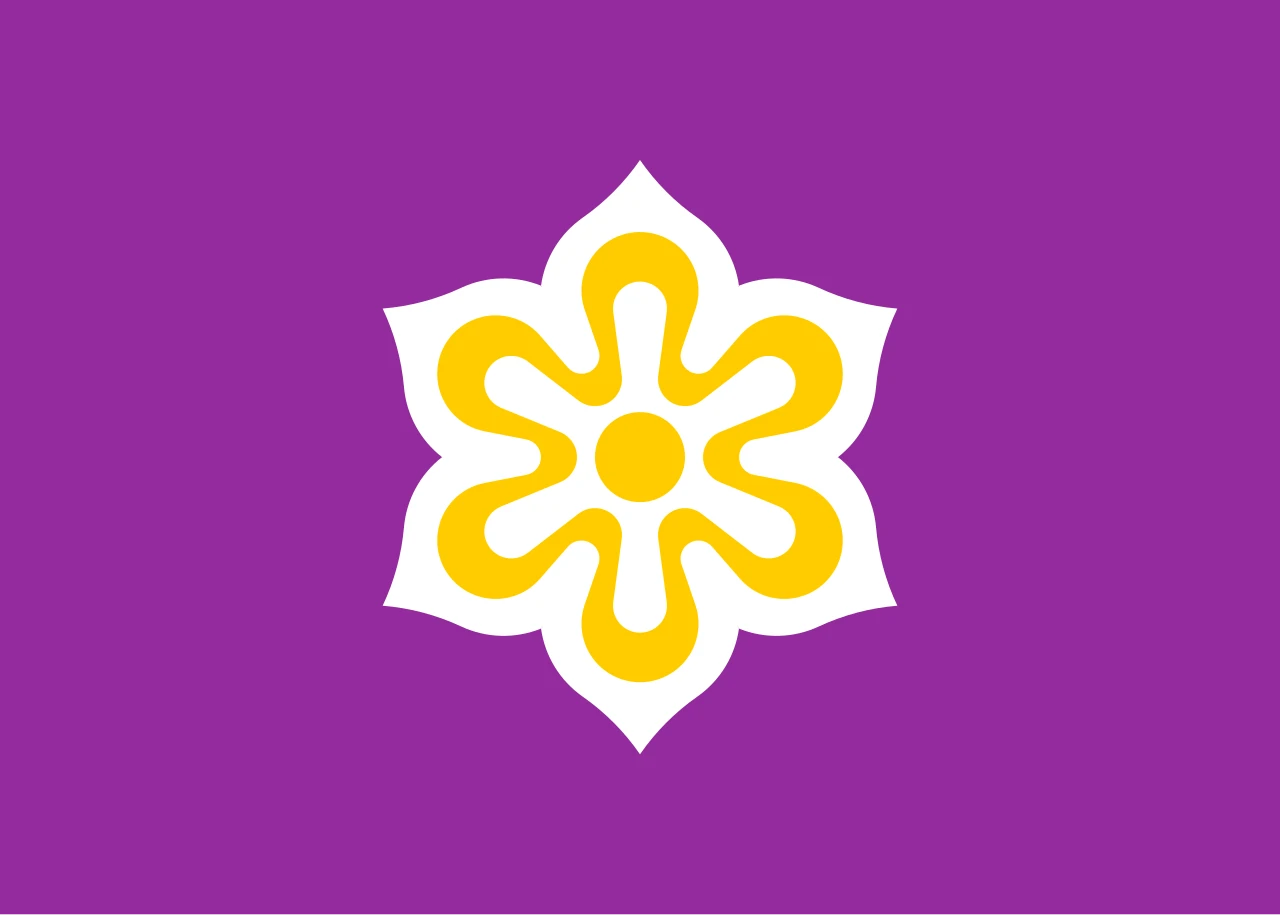
Flag of Kyoto

Six leaves hold the kanji 京 in the shape of a person: the purple flag of Kyoto, capital of Japan for over a thousand years, came out of a competition in 1976.

Flag of Kyoto
Coat of arms

The flag, in figures

Every fact about the flag, each with what it means.

Proportions
5:77 wide for every 5 high. 6 flags in the catalogue share it.
Properties
Normal flagFIAV symbol: the form of the flag.
Use
CivilFIAV symbol: who may fly the flag.
Adopted
19762 November 1976 · 50 years ago
Colours
  • purple
  • gold
  • white
Reference shades: the official one may vary slightly.
Coat of arms
YesIt carries the coat of arms on the cloth.

Take a closer look

  • Field

  • Charge

  • Shape

  • Coat of arms

How it is described

The flag in the words of vexillology and heraldry.

Vexillological description

It is a rectangular field with a 5:7 ratio in purple, with the emblem of Kyoto in the centre.

Field (the cloth of the flag)
deep purple, plain, with no divisions.
Charge (a figure on the field)
the mon of the prefecture, centred.
Shape
six white petals form a ring and, inside, a yellow drawing.
Coat of arms
it carries none; the emblem occupies the centre.
What it carries

Each element and how many of the 1,390 flags in the catalogue carry it. In yellow, the rarest.

Its history in dates

Every date in its story, at a glance.

  1. 1868

    It makes sense in a city that was the capital of Japan for over a thousand years, until 1868, heir…

  2. 1870

    In 1870 the prefecture set a flag of three vertical stripes

  3. 1946

    No official flag: for decades Kyoto went out to national sporting events with the tricolour…

  4. 1976

    In 1976, on the thirtieth anniversary of the postwar constitution

The full story

How it was born, how it has changed and what it means.

The flag of Kyoto is a deep purple with a white emblem in the centre. That emblem hides a small portrait: inside six leaves, the prefecture placed the kanji 京 (kyō, “capital”) drawn in the shape of a person. It makes sense in a city that was the capital of Japan for over a thousand years, until 1868, heir to Nara.

How it came about

The design came late for a city with so much history. In 1976, on the thirtieth anniversary of the postwar constitution, the prefecture called a public competition, and the winning drawing became emblem and flag on 2 November 1976. The official reading is told by the prefecture itself: the six leaves represent the status of old capital, the central kanji 京 has a human silhouette, and the whole thing symbolises the union of all the inhabitants and the sum of their strength.

How it has changed

Although the current emblem dates from 1976, Kyoto had a flag almost a century earlier, and between the two it was left without one of its own.

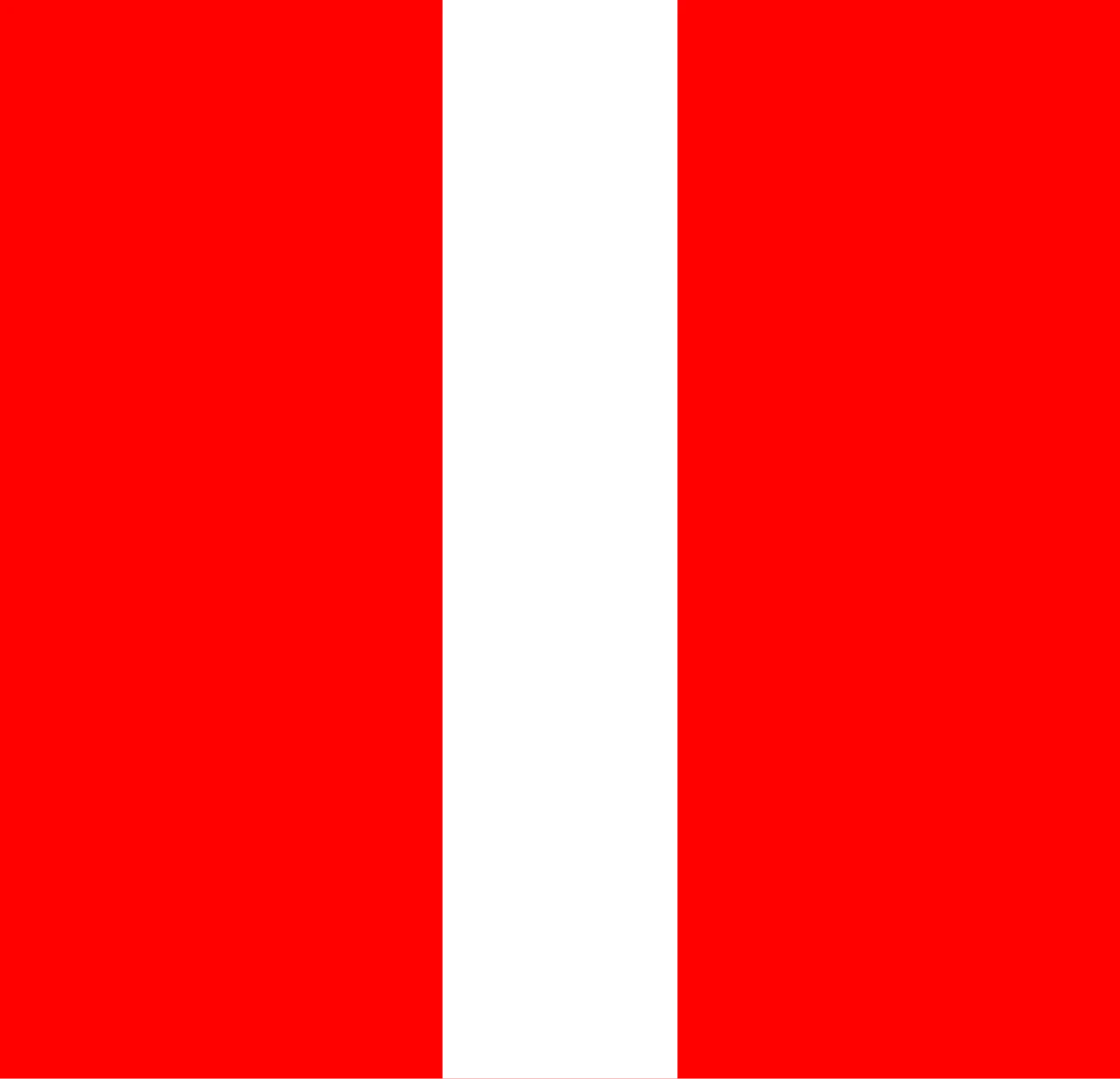
  1. Flag of the Kyoto officials of 1870: three vertical stripes, red, white and red
    Kinchaku · CC0

    1870

    In 1870 the prefecture set a flag of three vertical stripes, red, white and red, to distinguish its officials: it is considered the first prefectural flag in Japan. Its use was so limited that it is not even clear until when it was hoisted.

  2. 1946-1976

    No official flag: for decades Kyoto went out to national sporting events with the tricolour of its sports association, created in 1946, which did the job of the prefecture’s standard.

  3. Current flag of Kyoto: white emblem on a purple ground

    1976

    The current flag, with a 5:7 ratio and the colour fixed down to the detail by the rule.

What it means

  • Six leaves

    the status and elegance of the old capital, according to the official explanation.

  • 京 (kanji kyō)

    “capital”, drawn in the shape of a person in the centre.

  • The emblem as a whole

    the union of the inhabitants of Kyoto and their bound strength, in official words.

  • Purple

    the 1976 rule fixed the exact shade of the ground, but gave it no meaning.

Fun facts

  1. The oldest prefectural flag in Japan

    The one of 1870 was, as far as is known, the first flag of a Japanese prefecture: the others took almost a century to arrive.

  2. It looks like that of Peru

    The three vertical stripes, red, white and red, of the 1870 flag recall the Peruvian flag a great deal.

  3. Thirty years with a borrowed flag

    Until 1976 Kyoto had no standard of its own: it was carried across the country by the tricolour of its sports association, born in 1946.

Localisation

How much have you learnt?

Test what you have read about the flag of Kyoto.

  1. 1. Which one is the flag of Kyoto?

  2. 2. Which of these elements appears on the flag?

  3. 3. In which year was the current flag adopted?

Sources

Sources consulted:

Credits

Flag image: Emblem of Kyoto Prefecture.svg by Mike Rohsopht Flag of Kyoto Prefecture.png by Machina in the Deep-Blue Sea (based on a work by Shane Markle) This derivative work: Pchapman12345 Minor corrections: Zscout370, Wikimedia Commons · Public domain.

More flags

Accessibility preferences

Accessibility statement

Quick profiles

Text and reading

Text size
Default
Line height
Default
Letter spacing
Default
Word spacing
Default

Colour

Motion and orientation

Cursor