
Skip to content

Wiki Banderas
Open menu

Flag of Nara

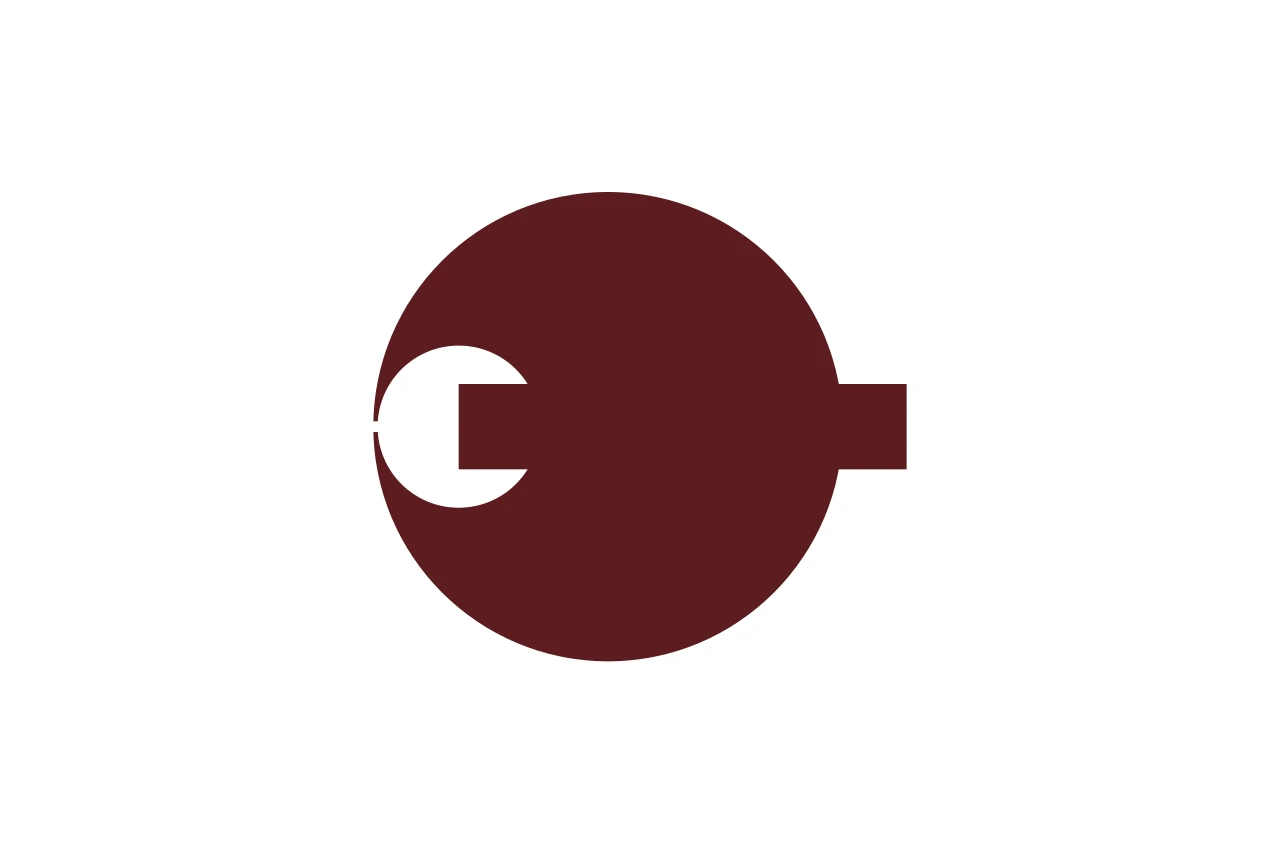
A wine-coloured circle with a ナ inside on white: the flag of Nara encrypts its message in harmony, the motto of Prince Shōtoku.

Flag of Nara
Coat of arms

The flag, in figures

Every fact about the flag, each with what it means.

Proportions
2:33 wide for every 2 high. 989 flags in the catalogue share it.
Properties
Normal flagFIAV symbol: the form of the flag.
Use
CivilFIAV symbol: who may fly the flag.
Adopted
19681 March 1968 · 58 years ago
Colours
  • white
  • wine red
Reference shades: the official one may vary slightly.
Coat of arms
YesIt carries the coat of arms on the cloth.
12

Take a closer look

  1. The white cloth

  2. 1

    The emblem

  3. 2

    The small white circle

How it is described

The flag in the words of vexillology and heraldry.

Vexillological description

It is a rectangular field with a 2:3 ratio, white and plain, with a single emblem in the centre: a wine-coloured disc from which a bar protrudes on the right.

Field (the cloth)
white, with no divisions.
Disc
wine-coloured, centred on the field.
Inside
a smaller white circle, to the left.
Bar
it comes out of that circle and protrudes to the right of the disc.
Colours
white and wine.

What it carries

Each element and how many of the 1,390 flags in the catalogue carry it. In yellow, the rarest.

The full story

How it was born, how it has changed and what it means.

The flag of Nara is white with a single figure in the centre: a wine-coloured circle hiding a katakana ナ (na), the initial syllable of the name. A roundel, a letter and a message about harmony.

How it came about

The flag and the emblem were approved together, on 1 March 1968. The drawing tells a story in shapes, according to the official reading: the outer circle is the generous nature of the old territory of Yamato —the “mahoroba”, the ideal land of the poems—, the inner circle expresses harmony, and the horizontal stroke, a ceaseless progress. Harmony uses very old words: those of the first article of the constitution of the Seventeen-Article Constitution of Prince Shōtoku, from the seventh century.

How it has changed

It has not changed: the flag of 1968 is identical to the current one.

What it means

  • Outer circle

    the rich nature of Yamato, the old “mahoroba” (official explanation).

  • Inner circle

    harmony, with the motto of Prince Shōtoku as reference (official explanation).

  • Horizontal stroke

    the constant progress of the prefecture (official explanation).

  • Wine colour

    the rule fixed it without explaining it: the noble shade is only a popular reading.

Fun facts

  1. A motto of almost fourteen centuries

    The “harmony” of the emblem comes from the first phrase of the Seventeen-Article Constitution, written at the beginning of the seventh century by Prince Shōtoku.

  2. Japan’s first fixed capital

    Between 710 and 784, Nara —then called Heijō-kyō— was the capital of the country: the first time Japan had a fixed capital.

  3. The colour nobody explained

    The 1968 rule defines the shapes of the emblem and its colour, but not why that wine shade: it is the only detail with no documented meaning.

Localisation

How much have you learnt?

Test what you have read about the flag of Nara.

  1. 1. Which one is the flag of Nara?

  2. 2. Which of these elements appears on the flag?

  3. 3. What are the proportions (height:width) of the flag?

  4. 4. In which year was the current flag adopted?

Sources

Sources consulted:

Credits

Flag image: Original: PRiMENON Vector: Wrightbus, Wikimedia Commons · Public domain.

More flags

Accessibility preferences

Accessibility statement

Quick profiles

Text and reading

Text size
Default
Line height
Default
Letter spacing
Default
Word spacing
Default

Colour

Motion and orientation

Cursor