Skip to content

Wiki Banderas
Open menu

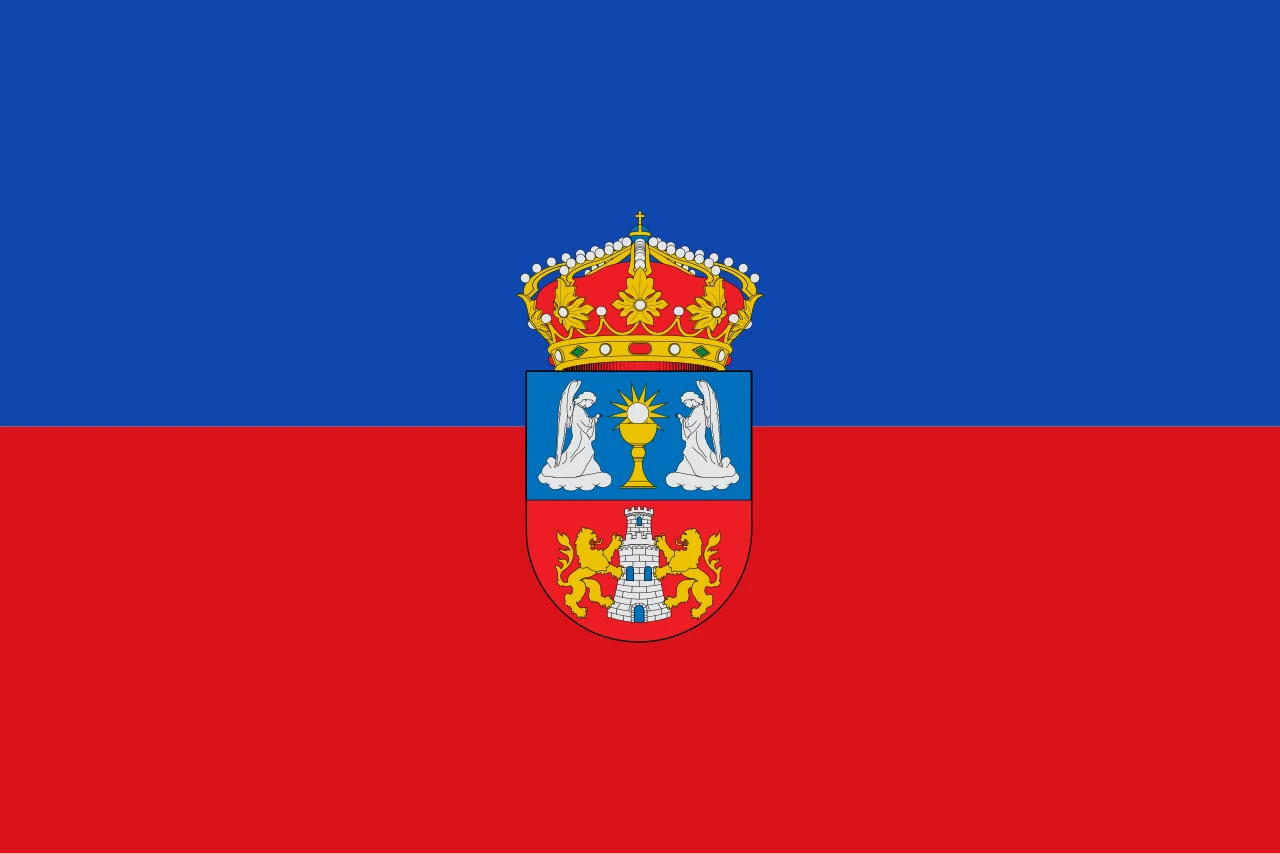
Flag of the province of Lugo

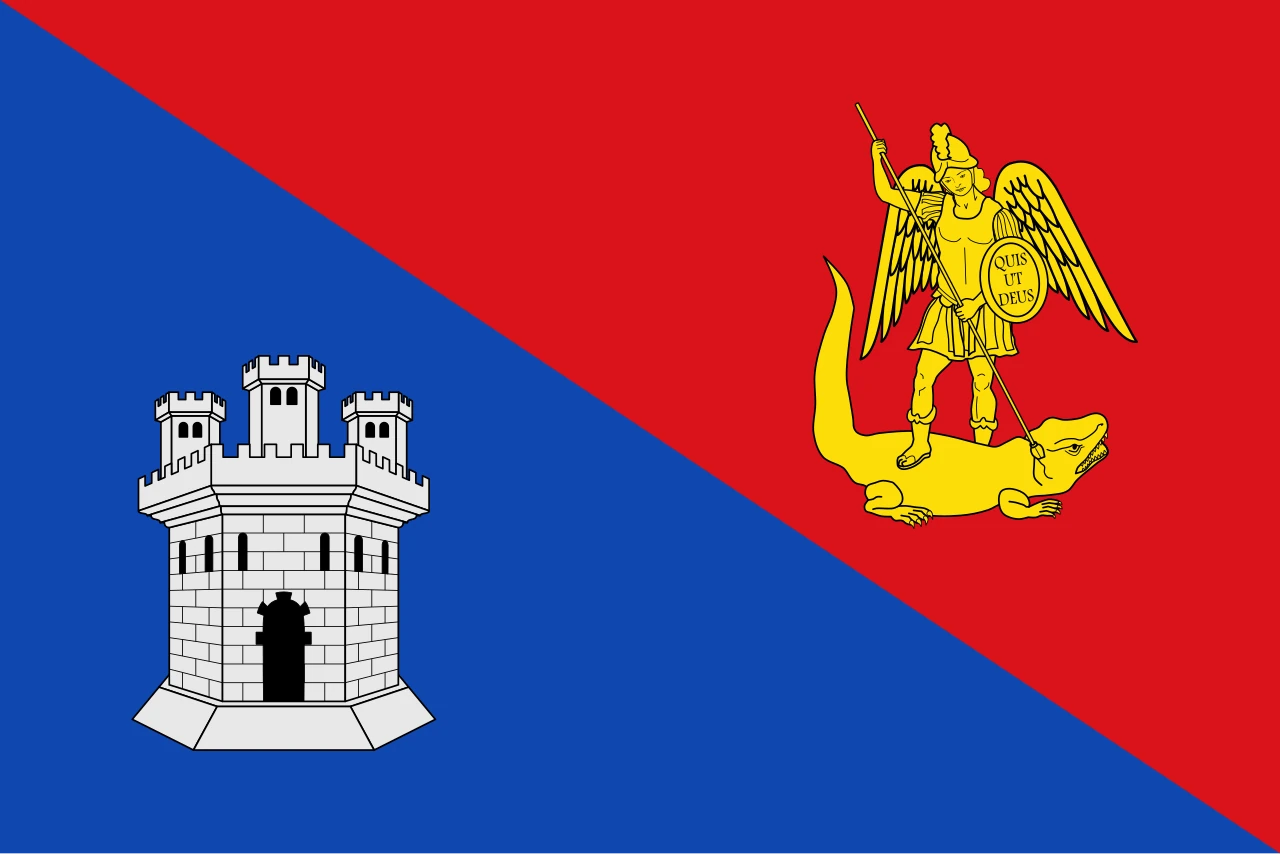
A field divided into red and blue with the coat of arms of the tower and the lions: the flag of the Council of Lugo was approved in 2006 and almost nobody knew what it looked like.

Flag of the province of Lugo
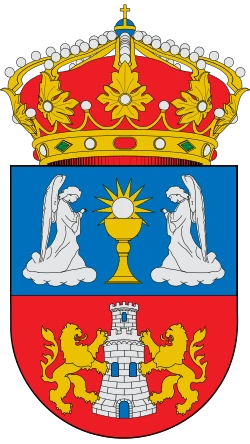
Coat of arms

The flag, in figures

Every fact about the flag, each with what it means.

Proportions
2:33 wide for every 2 high. 989 flags in the catalogue share it.
Properties
Normal flagFIAV symbol: the form of the flag.
Use
CivilFIAV symbol: who may fly the flag.
Adopted
200630 October 2006 · 20 years ago
Colours
  • red
  • blue
Reference shades: the official one may vary slightly.
Coat of arms
YesIt carries the coat of arms on the cloth.
123

Take a closer look

  1. The two halves

  2. 1

    The coat of arms

  3. 2

    The crown

  4. 3

    The chalice and the host

How it is described

The flag in the words of vexillology and heraldry.

Vexillological description

It is a rectangular field with a 2:3 ratio divided into two equal horizontal halves, one red and one blue, with the coat of arms of the province in the centre.

Field (the cloth)
with no ornaments or border; the two bands reach all four sides.
Stripes
two, of the same width: one red and one blue.
Coat of arms
in the centre, over the two halves; it bears a royal crown at the top.
What it carries

Each element and how many of the 1,390 flags in the catalogue carry it. In yellow, the rarest.

Its history in dates

Every date in its story, at a glance.

  1. 1984

    The Council approved it on 13 July 1984 and the Xunta de Galicia confirmed it by decree on 3 April…

  2. 2006

    It is the flag of the Provincial Council and it is very young: it was approved in 2006

The full story

How it was born, how it has changed and what it means.

The flag of the province of Lugo is divided into two horizontal halves, one red and one blue, with the coat of arms of the province in the centre. It is the flag of the Provincial Council and it is very young: it was approved in 2006, more than twenty years after the coat of arms it carries.

How it came about

The coat of arms came first. The Council approved it on 13 July 1984 and the Xunta de Galicia confirmed it by decree on 3 April 1986. The flag took much longer: the plenum of the Council approved it on 30 October 2006, on the proposal of the Partido Popular and with the support of the PSOE. The BNG voted against it because it considered it unnecessary. It was raised in public for the first time the following day.

There is no record of a decree regulating it being published, either in the provincial bulletin or in the official gazette of Galicia, so its formal situation is not very clear.

How it has changed

It has not changed since 2006.

What it means

The flag has no official explanation, but its elements come from the coat of arms:

  • Blue and red

    the colours of the two halves of the provincial coat of arms.

  • Chalice with a host and two angels

    the blue part of the coat of arms.

  • Tower between two lions

    the red part of the coat of arms. The tower recalls the walls of Lugo, of Roman origin, and the lion is a symbol of the courage with which the city defended itself in the sieges.

Fun facts

  1. A flag nobody knew what it looked like

    The day after it was approved, La Voz de Galicia described it as “blue and red”, and that phrase was taken as an order from top to bottom. Flag enthusiasts argued for years about which of the two colours went on top; according to FOTW, high-resolution photos point to red on top, though some images in circulation show it the other way round.

  2. Approved with the rejection of the nationalists

    At the 2006 plenum, the BNG opposed creating a provincial flag because it considered it unnecessary.

Localisation

How much have you learnt?

Test what you have read about the flag of Province of Lugo.

  1. 1. Which one is the flag of Province of Lugo?

  2. 2. Which of these elements appears on the flag?

  3. 3. What are the proportions (height:width) of the flag?

  4. 4. In which year was the current flag adopted?

Sources

Sources consulted:

Credits

Flag image: Ulaidh, Wikimedia Commons · CC BY-SA 4.0.

More flags

Accessibility preferences

Accessibility statement

Quick profiles

Text and reading

Text size
Default
Line height
Default
Letter spacing
Default
Word spacing
Default

Colour

Motion and orientation

Cursor