Skip to content

Wiki Banderas
Open menu

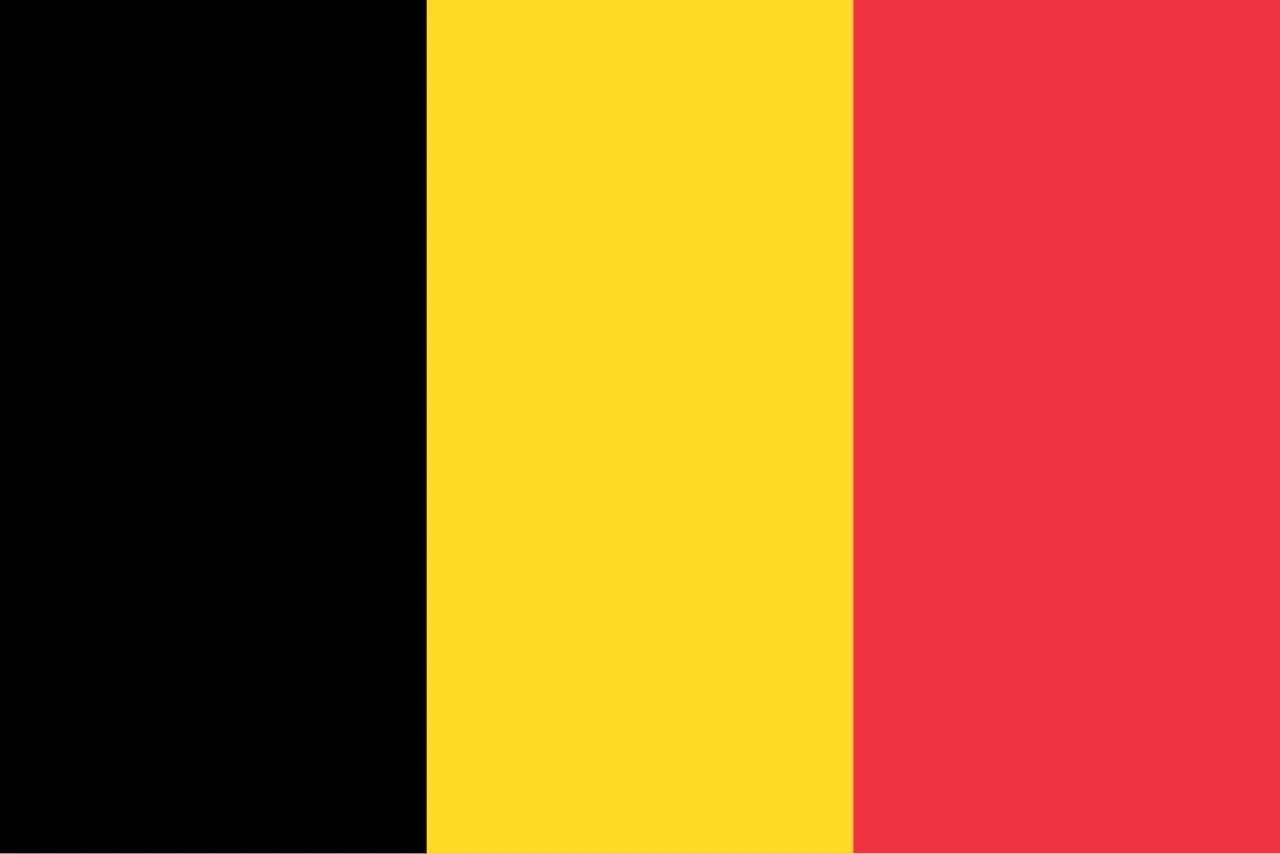
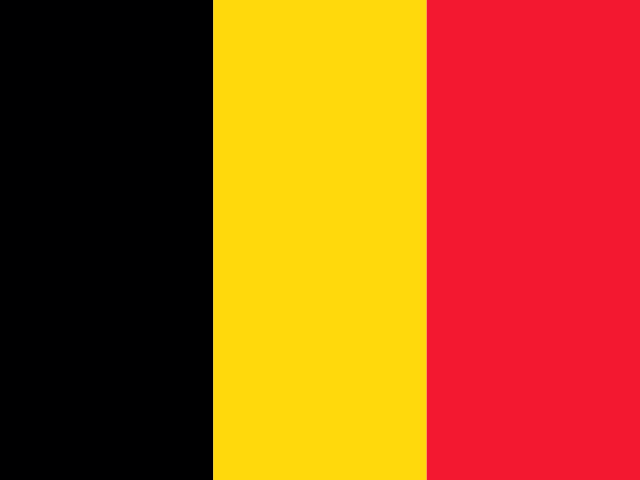
Flag of Belgium

Three vertical stripes in black, yellow and red: the colours of the coat of arms of Brabant with the shape of the French flag.

Flag of Belgium
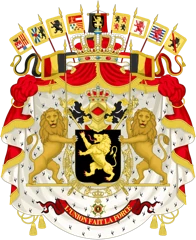
Coat of arms

The flag, in figures

Every fact about the flag, each with what it means.

Proportions
13:1515 wide for every 13 high. 1 flags in the catalogue share it.
Properties
Normal flagFIAV symbol: the form of the flag.
Use
Civil, state and militaryFIAV symbol: who may fly the flag.
Adopted
183112 October 1831 · 195 years ago
Colours
  • black
  • yellow
  • red
Reference shades: the official one may vary slightly.
Coat of arms
YesIt carries the coat of arms on the cloth.
123

Take a closer look

  1. The three stripes

  2. 1

    The black stripe

  3. 2

    The yellow stripe

  4. 3

    The red stripe

How it is described

The flag in the words of vexillology and heraldry.

Vexillological description

It is a rectangular field, almost square (13:15 ratio), with three equal vertical stripes.

Stripes
from the flagpole outwards, black, yellow and red, of the same width.
Order
article 193 of the Constitution fixes the colours and their order but not the exact shade: in practice the black is matt and the yellow leans towards gold.
Field
no coat of arms or figures.

What it carries

Each element and how many of the 1,390 flags in the catalogue carry it. In yellow, the rarest.

Its history in dates

Every date in its story, at a glance.

  1. 1789

    The three colours had already been seen in 1789

  2. 1830

    In 1830, Belgium was part of the Kingdom of the Netherlands

  3. 1838

    the last official horizontal ones are seen in 1838

The full story

How it was born, how it has changed and what it means.

The flag of Belgium has three vertical stripes: black, yellow and red. It was born in a revolution, took the shape of the French flag and the colours of a medieval coat of arms. And it has a secret: the official version is almost square.

How it came about

The three colours had already been seen in 1789. At that time the territory of present-day Belgium belonged to the Habsburgs of Austria, and its inhabitants rebelled against them. That rebellion, called the Brabant Revolution, failed, but the colours stayed in the collective memory.

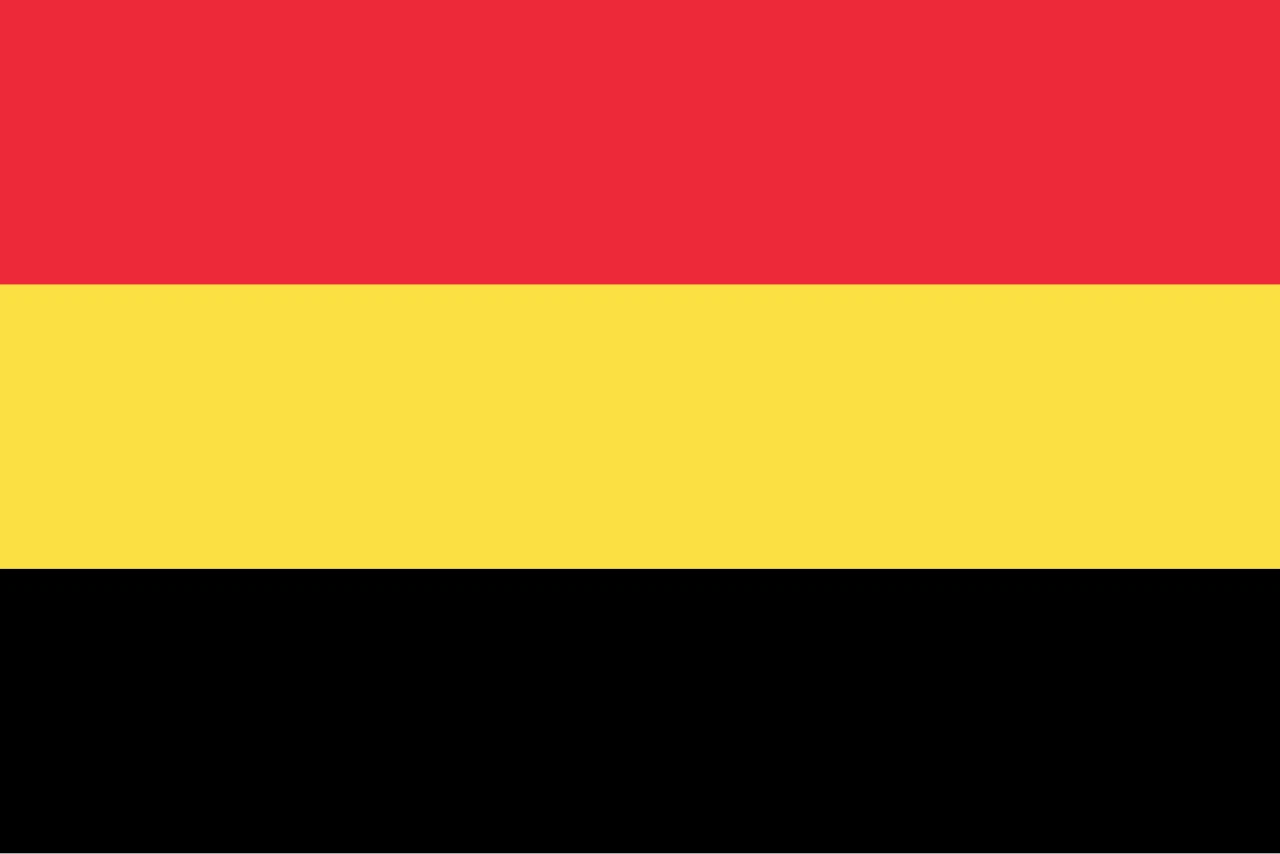
In 1830, Belgium was part of the Kingdom of the Netherlands. In late August a revolt broke out in Brussels that would end in independence. The rebels hung in the town hall a flag hastily made from cloth bought in a nearby shop. Its stripes were horizontal: red, yellow and black.

How it has changed

It changed twice in its first year. Since then the design has not changed.

  1. Flag with horizontal stripes in red, yellow and black
    Original: Unknown Vector: Madden · Public domain

    1830

    The stripes are horizontal, with the red on top.

  2. January 1831

    The provisional government decides to place the stripes vertically, as in the French flag.

  3. Current flag of Belgium

    Autumn 1831

    The current order is fixed, with the black next to the mast. For some years horizontal and vertical flags coexist; the last official horizontal ones are seen in 1838.

What it means

The colours come from the coat of arms of the old duchy of Brabant, the region of Brussels:

  • Black

    the ground of the shield.

  • Yellow

    the golden lion occupying the centre.

  • Red

    the tongue and the claws of the lion.

  • Vertical stripes

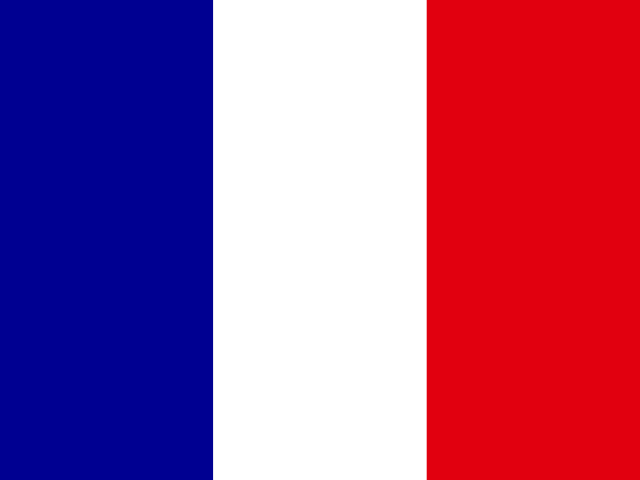
    they imitate the French flag, the great revolutionary symbol of the time.

Fun facts

  1. Almost square

    The official flag measures 13 high by 15 long. It comes from a nineteenth-century rule that fixed its size at 2.60 by 3 metres. On the street, almost everyone uses the longer version, 2 by 3.

  2. Taller than wide

    The flags of the royal palaces in Brussels and Laeken are taller than wide: the Brussels one measures 4 metres high by 3 wide. As they are seen from far below, that is how they look well proportioned.

  3. If the king is at home

    Those flags fly while the king is in Belgium. They are lowered when he leaves the country on an official trip or on holiday.

  4. Colours the wrong way round

    The Constitution names the colours as “red, yellow and black”, exactly the reverse of the order you see on the flag.

Country facts

Where it is and what borders it.

Capital
Brussels
Area
30,528 km²
Country
Kingdom of Belgium
Continent
Europe
Subregion
Western Europe
Independent state
Yes
UN member
Yes
ISO code
BEL · BE

How much have you learnt?

Test what you have read about the flag of Belgium.

  1. 1. Which one is the flag of Belgium?

  2. 2. In which year was the current flag adopted?

Sources

Text based on the article “Bandera de Bélgica” from the Spanish Wikipedia, published under the licence CC BY-SA 4.0.

Sources consulted:

Credits

Flag image: Dbenbenn, Wikimedia Commons · Public domain.

More flags

Accessibility preferences

Accessibility statement

Quick profiles

Text and reading

Text size
Default
Line height
Default
Letter spacing
Default
Word spacing
Default

Colour

Motion and orientation

Cursor