Skip to content

Wiki Banderas
Open menu

Flag of Luxembourg

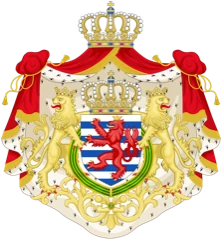
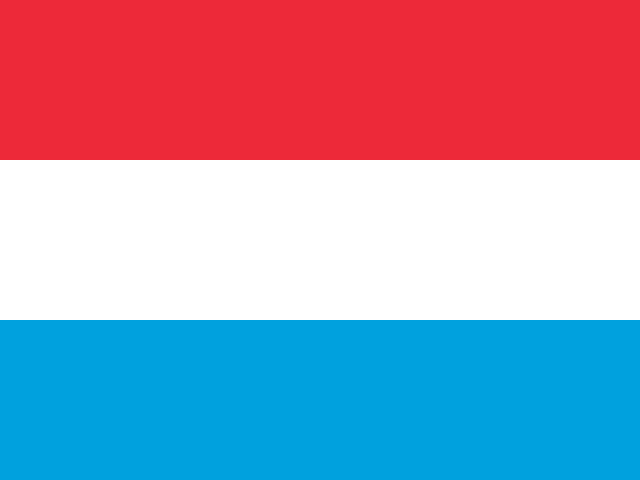
Three stripes in red, white and light blue, almost identical to the Dutch ones, which come from the colours of the lion on its coat of arms.

Flag of Luxembourg
Coat of arms

The flag, in figures

Every fact about the flag, each with what it means.

Proportions
1:22 wide for every 1 high. 49 flags in the catalogue share it.
Properties
Normal flagFIAV symbol: the form of the flag.
Use
Civil, state and militaryFIAV symbol: who may fly the flag.
Adopted
197223 June 1972 · 54 years ago
Colours
  • red
  • white
  • light blue
Reference shades: the official one may vary slightly.
Coat of arms
YesIt carries the coat of arms on the cloth.
123

Take a closer look

  1. The three stripes

  2. 1

    The red stripe

  3. 2

    The white stripe

  4. 3

    The light blue stripe

How it is described

The flag in the words of vexillology and heraldry.

Vexillological description

It is a rectangular field with a 1:2 ratio and three equal horizontal stripes.

Stripes
from top to bottom, red, white and blue, of the same thickness.
The blue
light, an intense sky blue, not the dark navy of the Netherlands: it is what distinguishes the two tricolours, which are otherwise almost identical.
Field
no coat of arms or figures.

What it carries

Each element and how many of the 1,390 flags in the catalogue carry it. In yellow, the rarest.

Its history in dates

Every date in its story, at a glance.

  1. 1830

    They were used as national colours for the first time in 1830

  2. 1845

    In 1845 a government circular fixed the order of the stripes: red at the top

  3. 1972

    It came on 23 June 1972

  4. 1993

    In 1993 another law added the details: two possible shapes

The full story

How it was born, how it has changed and what it means.

The flag of Luxembourg has three horizontal stripes of the same size: red, white and light blue. If you put it next to that of the Netherlands, it is hard to tell them apart. The difference lies in the blue, which is lighter, and in the shape, which may be more elongated.

How it came about

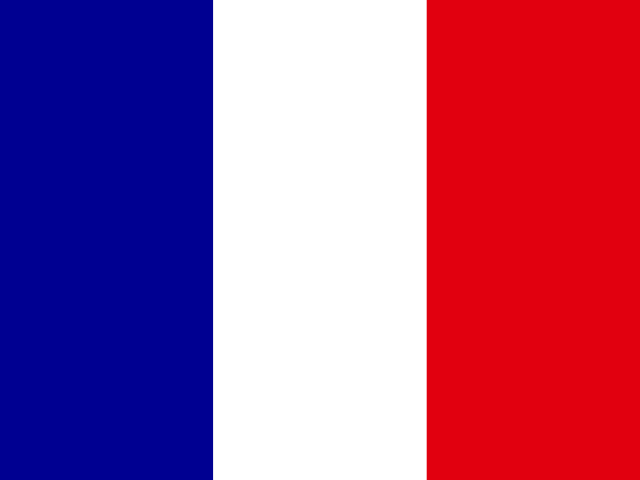
The colours come from the arms of the counts of Luxembourg, from the thirteenth century: a red lion on a ground of white and blue stripes. Those three colours were taken from that coat of arms and arranged in stripes, following the fashion for tricolour flags that had begun with the French Revolution.

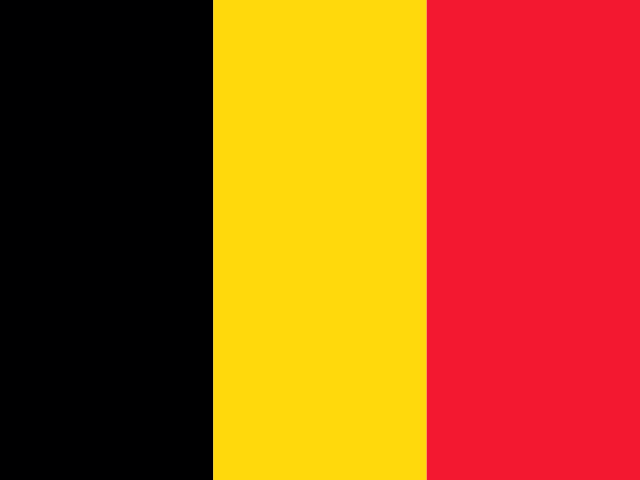
They were used as national colours for the first time in 1830, during the Belgian revolution, when the Luxembourgers were urged to show them. In 1845 a government circular fixed the order of the stripes: red at the top, white in the middle and blue below.

How it has changed

The design has barely changed since the nineteenth century, but it took a long time to have a law of its own. It came on 23 June 1972. In 1993 another law added the details: two possible shapes, one shorter (3:5) and one more elongated (1:2), and a well-defined light blue, precisely so as not to confuse it with the Dutch one.

What it means

The colours do not each have a symbolic meaning of their own. Everything comes from the coat of arms:

  • Red

    the lion of the coat of arms.

  • White and blue

    the stripes on which the lion rests.

Fun facts

  1. The lion that competes with the flag

    Luxembourgish ships and aircraft carry another flag, the Roude Léiw, “red lion”: the full coat of arms with the lion on the stripes. In competitions like the Tour de France, many fans prefer it to the tricolour.

  2. They almost changed it

    In 2006 the member of parliament Michel Wolter proposed replacing the tricolour with the red lion, which cannot be confused with any other. The proposal did not go ahead and was definitively withdrawn in 2017.

  3. Old colours, young law

    Although its colours are about eight hundred years old, the flag did not have a law defining it until 1972.

Country facts

Where it is and what borders it.

Capital
Luxembourg
Area
2,586 km²
Country
Grand Duchy of Luxembourg
Continent
Europe
Subregion
Western Europe
Independent state
Yes
UN member
Yes
ISO code
LUX · LU

3 neighbouring countries

How much have you learnt?

Test what you have read about the flag of Luxembourg.

  1. 1. Which one is the flag of Luxembourg?

  2. 2. What are the proportions (height:width) of the flag?

  3. 3. In which year was the current flag adopted?

Sources

Text based on the article “Bandera de Luxemburgo” from the Spanish Wikipedia, published under the licence CC BY-SA 4.0.

Sources consulted:

Credits

Flag image: Drawn by User:SKopp, Wikimedia Commons · Public domain.

More flags

Accessibility preferences

Accessibility statement

Quick profiles

Text and reading

Text size
Default
Line height
Default
Letter spacing
Default
Word spacing
Default

Colour

Motion and orientation

Cursor