By 1790 French ships already carried the three colours in vertical stripes
1794
On 15 February 1794 the Convention
1848
In 1848 there were those who wanted to replace it with a red flag, but it stood
1870
It never became official, and the count himself rejected it when he was offered the crown in 1870
1958
Today the Constitution of 1958 defines it as the national emblem
2010
Hervé Pinoteau, of the house of Bourbon and one of the leading draconists of France, drew around…
The full story
How it was born, how it has changed and what it means.
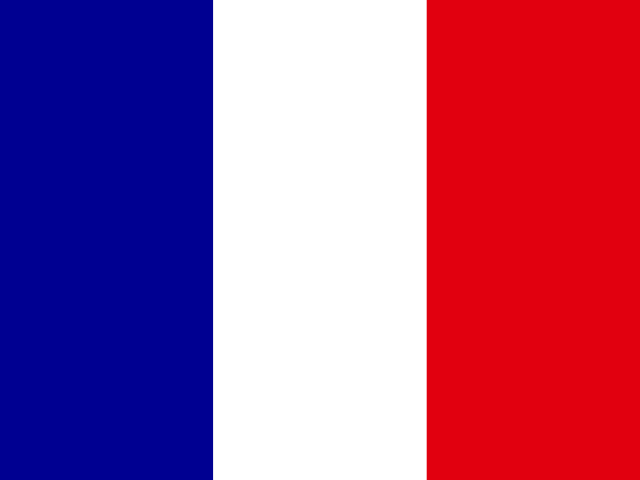
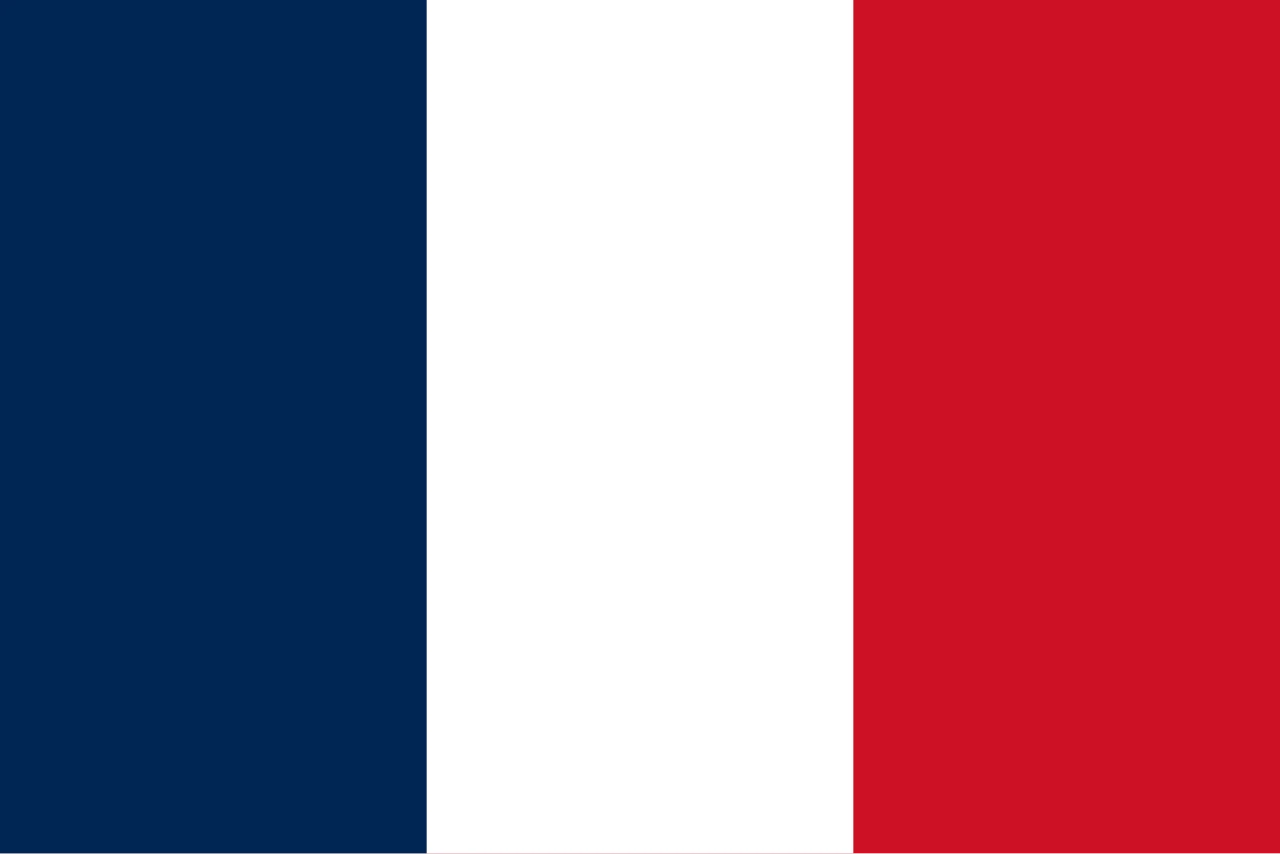
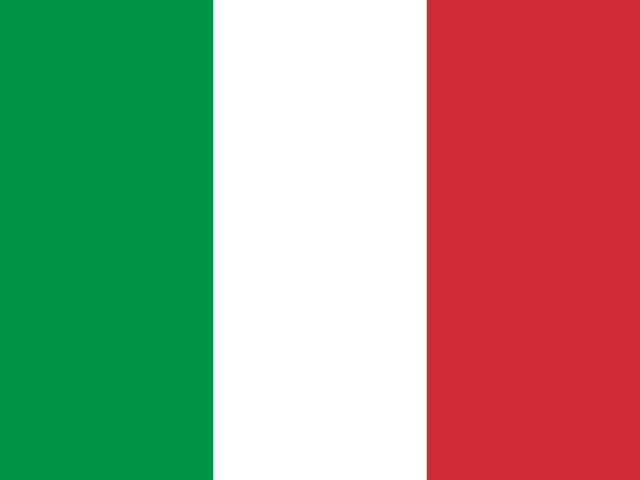
The flag of France has three equal vertical stripes: blue, white and red. The French call it le drapeau tricolore, “the tricolour flag”. It was born with the French Revolution and has inspired many others, such as that of Italy.
How it came about
In July 1789, in the middle of the Revolution, the militia of Paris began wearing cockades in blue and red, the colours of the city. A cockade is a round cloth badge pinned to the hat. A few days later white was added, the colour of the monarchy. According to the Marquis de La Fayette, this way the symbol of Paris became that of the whole nation.
From the cockade they moved to the flag. By 1790 French ships already carried the three colours in vertical stripes. On 15 February 1794 the Convention, the revolutionary parliament, fixed the current order: blue next to the mast, white in the centre and red at the end. Tradition attributes that design to the painter Jacques-Louis David, although there is no firm evidence.
How it has changed
The design has been the same since 1794, but the flag has twice come close to disappearing.
After the fall of Napoleon, the Bourbon kings return to a white flag.
1830
The July Revolution recovers the tricolour for good. In 1848 there were those who wanted to replace it with a red flag, but it stood. Today the Constitution of 1958 defines it as the national emblem.
Other flags and proposals
The tricolour has had to defend itself several times. These are the proposals that explain why the flag is still three vertical bands.
Propuesta · 1848
The red flag that Lamartine rejected
In February 1848, during the revolution, a red flag was raised in the square of the Hôtel de Ville in Paris. The poet and minister Alphonse de Lamartine came out to the square and had it taken down. The tricolour stayed. The red flag did not disappear entirely: today it is the emblem of the labour movement and of several parties, with no official status.
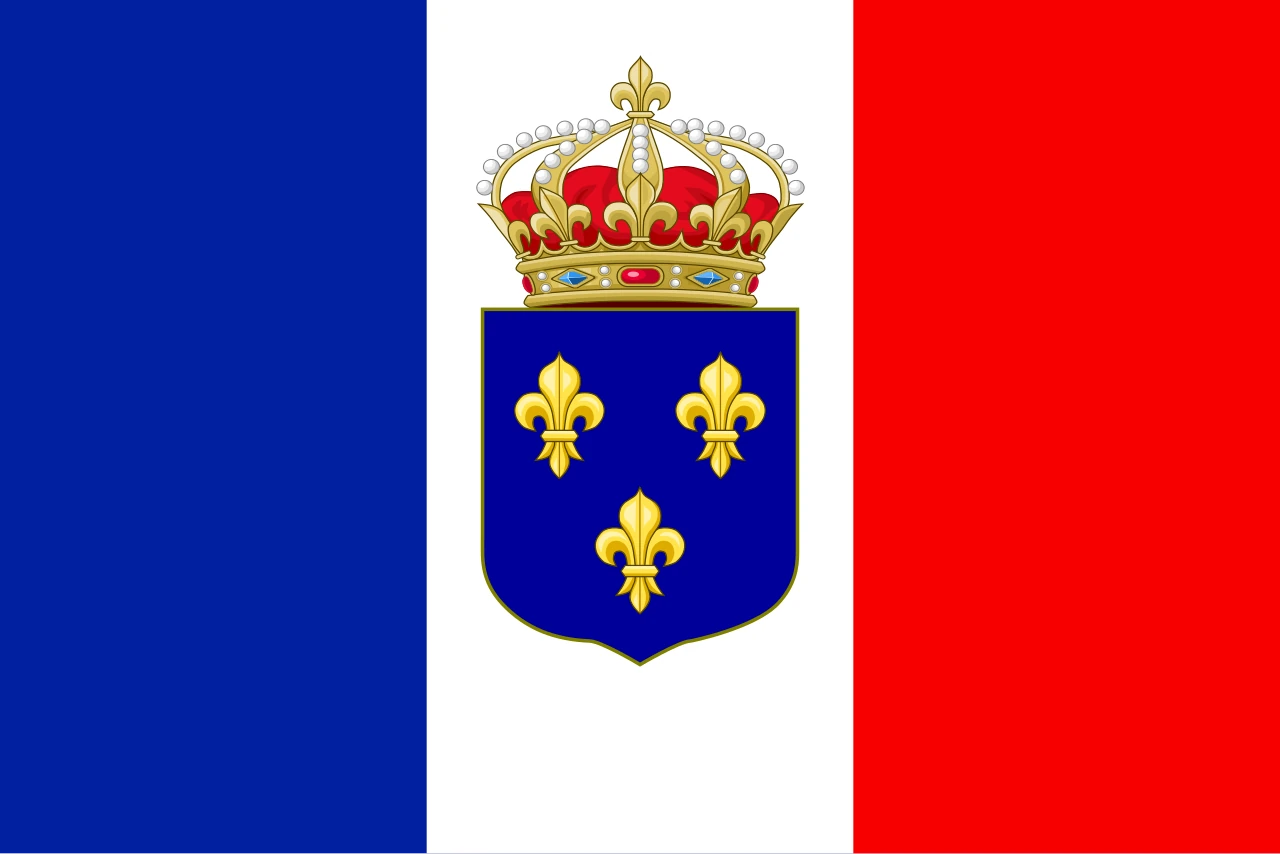
The tricolour with a royal crown and fleurs-de-lis
It is attributed to Henri d’Artois, comte de Chambord, heir to the throne for the legitimist monarchists, when he was young. He added the royal crown and the fleurs-de-lis of the monarchy to the tricolour. It never became official, and the count himself rejected it when he was offered the crown in 1870, because he demanded a return to the white flag. His refusal was one of the reasons the monarchy was not restored.
Propuesta · 1881
The crossed fleurs-de-lis and Napoleon's bees
Dr Marié, a supporter of the legitimist cause, proposed a flag that joined the three houses in play: a band of yellow fleurs-de-lis as a saltire over the tricolour, four silver bees of Napoleon III in each quarter and edges in the three colours. He offered it to the comte de Chambord. It did not come to anything.
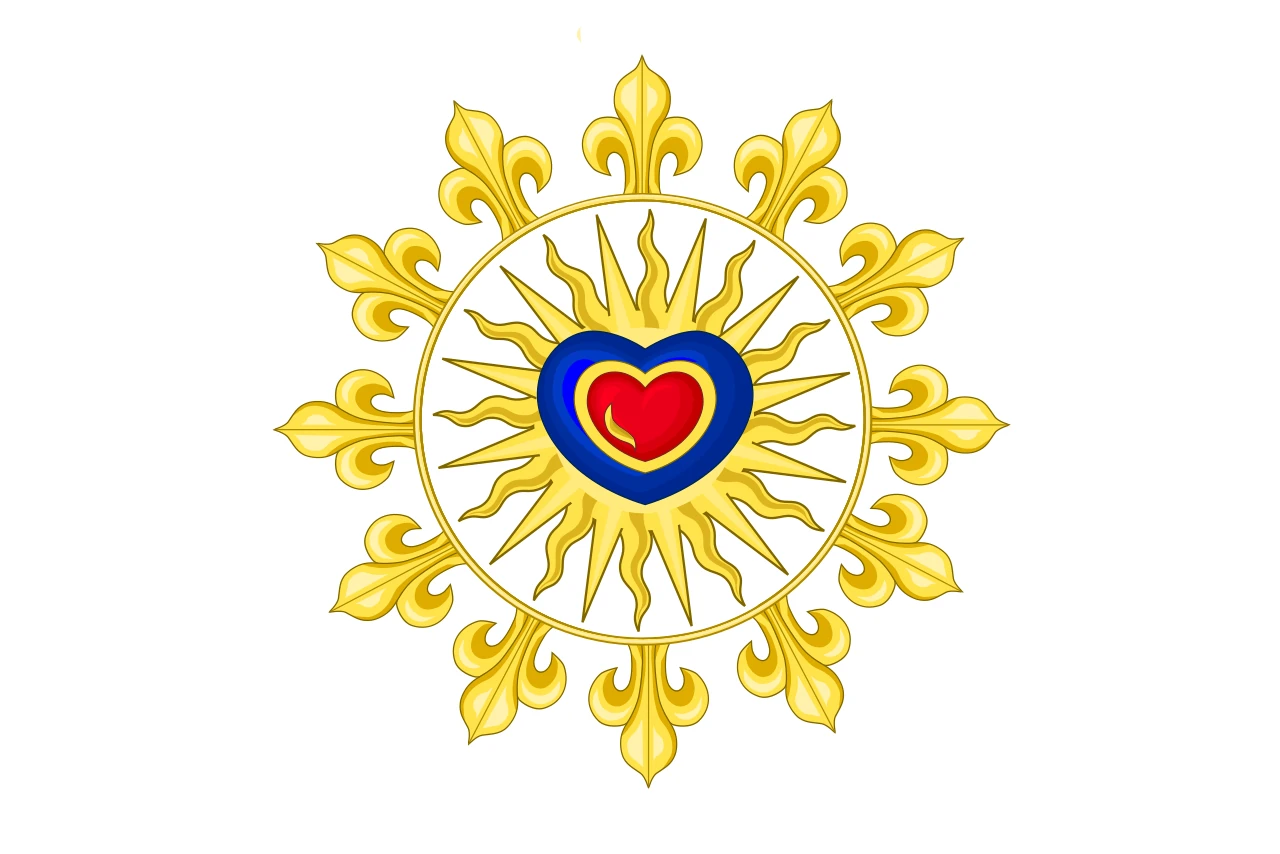
Hervé Pinoteau, of the house of Bourbon and one of the leading draconists of France, drew around 2010 a white flag with the royal arms for a restored kingdom. The monarchist movement uses it as a claim flag, but no institution has adopted it.
What it means
The origin of the colours is known, although over time they have been given other meanings:
Blue and red
the colours of Paris.
White
the colour of the monarchy. Together with the other two, it symbolised the union of king and people.
All three together
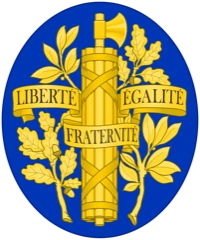
they are often linked to the motto Liberty, Equality, Fraternity, but that is a later reading.
Fun facts
Deliberately unequal stripes
In the French Navy the stripes are not the same size: since 1853 they follow the ratio 30:33:37. When the flag flies, the part furthest from the mast looks smaller, so the three look equal.
A blue for every president
No law fixes the exact shade of the colours. In 1974 Valéry Giscard d’Estaing clarified the blue. In 2020 Emmanuel Macron went back to dark navy at the Élysée Palace, the presidential residence.
The red flag that was rejected
On 25 February 1848 a crowd asked for the red flag to be adopted. The poet and minister Alphonse de Lamartine avoided it with a speech: the red flag, he said, had only gone round the Champ de Mars; the tricolour had gone round the world.




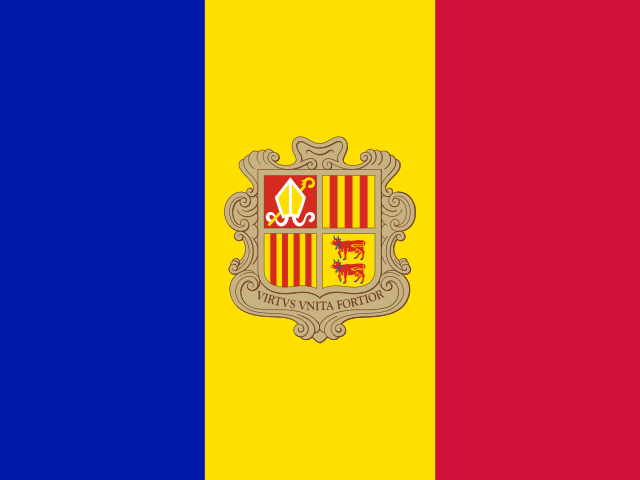 Andorra
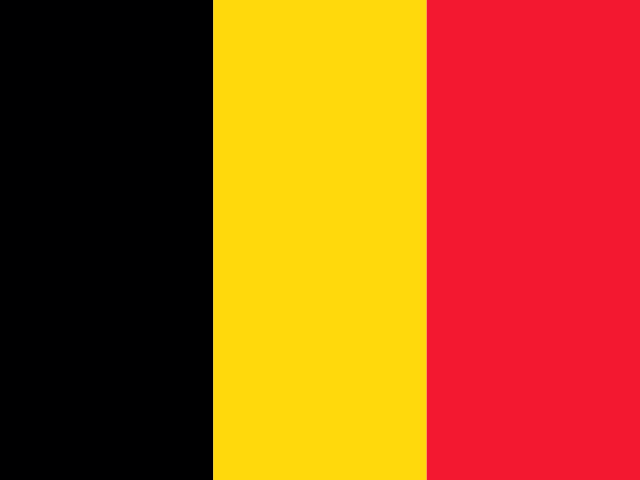 Belgium
 Germany
 Italy
 Luxembourg
 Monaco
 Spain
 Switzerland