
Skip to content

Wiki Banderas
Open menu

Flag of Kagoshima

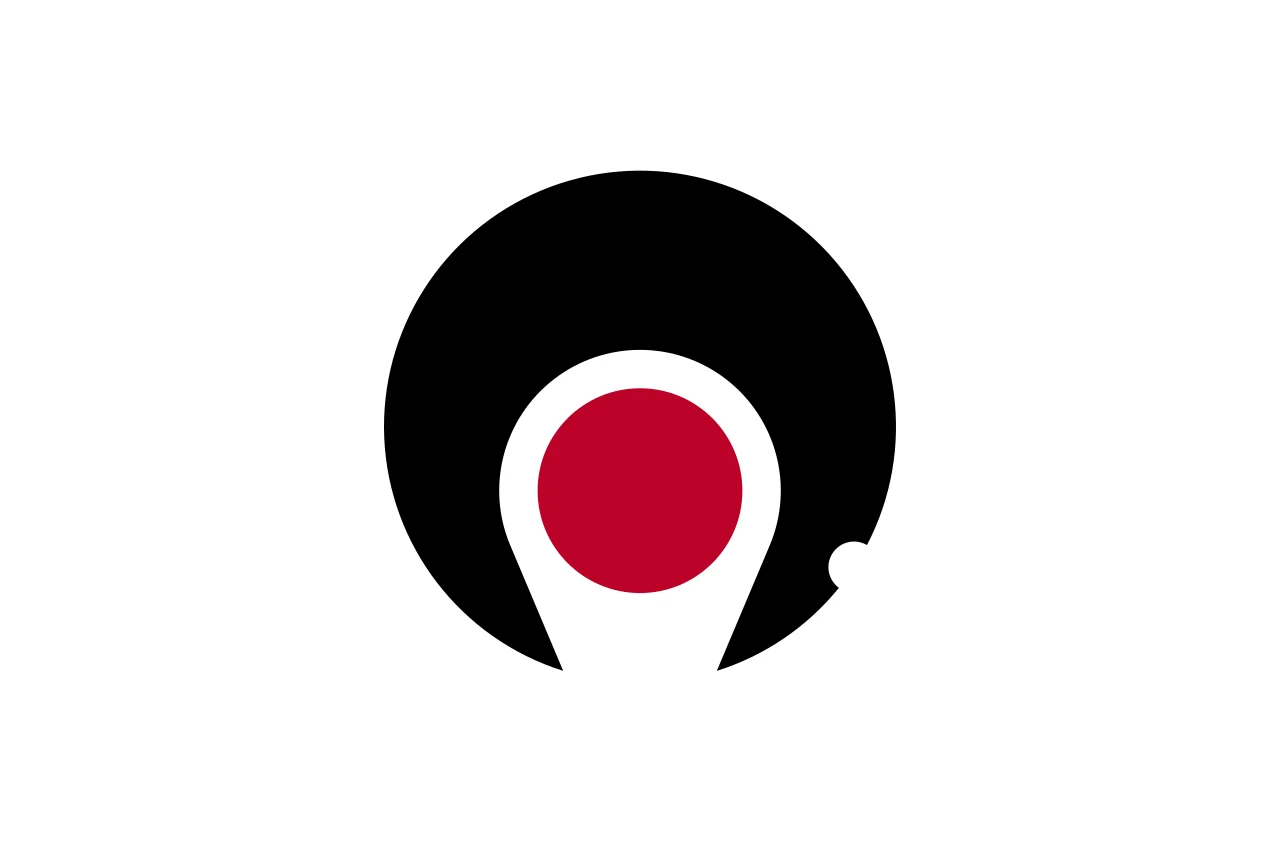
The map of the prefecture in black and the volcano Sakurajima as a red circle: the flag of Kagoshima was approved in 1967 after a competition.

Flag of Kagoshima
Coat of arms

The flag, in figures

Every fact about the flag, each with what it means.

Proportions
2:33 wide for every 2 high. 989 flags in the catalogue share it.
Properties
Normal flagFIAV symbol: the form of the flag.
Use
StateFIAV symbol: who may fly the flag.
Adopted
196710 March 1967 · 59 years ago
Colours
  • white
  • red
Reference shades: the official one may vary slightly.
Coat of arms
YesIt carries the coat of arms on the cloth.
12

Take a closer look

  1. The white cloth

  2. 1

    The black shape

  3. 2

    The red circle

How it is described

The flag in the words of vexillology and heraldry.

Vexillological description

It is a rectangular field with a 2:3 ratio, white, with a black drawing and a red circle in the centre.

Field (the cloth of the flag)
white, with no divisions.
Map
the black outline, centred, with a gap on the right side.
Circle
red, right in the centre of the drawing.
Coat of arms
it carries none; the map is the emblem of the prefecture.
What it carries

Each element and how many of the 1,390 flags in the catalogue carry it. In yellow, the rarest.

Its history in dates

Every date in its story, at a glance.

  1. 1967

    The emblem was approved on 10 March 1967

  2. 1994

    In 1994 the prefecture created a second modern mark —a blue “K” formed from curves of wind…

The full story

How it was born, how it has changed and what it means.

The flag of Kagoshima is a map drawn in cloth: on a white field, a black shape like a horseshoe upside down represents the two peninsulas of the prefecture, and the red circle in the centre is Sakurajima, the most active volcano in Japan.

How it came about

The emblem was approved on 10 March 1967, after a public competition open to the whole world. The black figure draws the peninsulas of Satsuma and Ōsumi, between which the capital appears, and the gap on the right marks the Bay of Shibushi. According to the prefecture and the national association of regional governments, the whole thing symbolises the growth of Kagoshima and the passion, the harmony and the unity of its people.

How it has changed

The flag has not changed since 1967, although it very nearly lost its drawing. In 1994 the prefecture created a second modern mark —a blue “K” formed from curves of wind and waves — and in the late nineties several members of the assembly proposed putting it on the flag instead of the map. The idea died because many people were attached to the usual emblem.

What it means

This is the prefecture’s official explanation:

  • Black shape

    the peninsulas of Satsuma and Ōsumi, the relief of Kagoshima seen from the air.

  • Gap on the right

    the Bay of Shibushi, to the east.

  • Red circle

    Sakurajima, which the locals call “the island of fire”.

  • White ground

    it has no documented official meaning.

Fun facts

  1. A map without islands

    The flag only draws the continental part, but Kagoshima is also islands: Amami, Tokunoshima, Yoron, Yakushima… The folklorist Toshimi Shimone denounced the fact that leaving them out reflected centuries of neglect towards their inhabitants.

  2. That K, into space

    In 2009 the astronaut Koichi Wakata carried a flag with the modern symbol of wind and waves aboard the Space Shuttle Discovery.

  3. The volcano of the circle is still active

    Sakurajima erupts so often that the ash regularly covers the capital; the red dot on the flag is a noisy neighbour.

Localisation

How much have you learnt?

Test what you have read about the flag of Kagoshima.

  1. 1. Which one is the flag of Kagoshima?

  2. 2. Which of these elements appears on the flag?

  3. 3. What are the proportions (height:width) of the flag?

  4. 4. In which year was the current flag adopted?

More flags

Accessibility preferences

Accessibility statement

Quick profiles

Text and reading

Text size
Default
Line height
Default
Letter spacing
Default
Word spacing
Default

Colour

Motion and orientation

Cursor