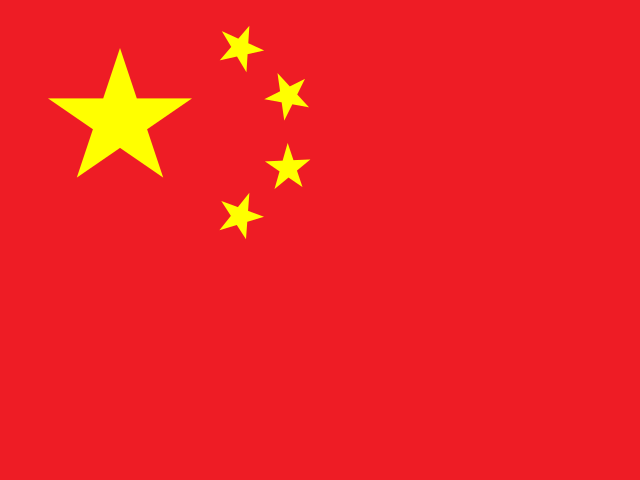
Every fact about the flag, each with what it means.
Proportions
2:33 wide for every 2 high. 989 flags in the catalogue share it.
Properties
Normal flagFIAV symbol: the form of the flag.
Use
Civil and stateFIAV symbol: who may fly the flag.
Adopted
194927 September 1949 · 77 years ago
Colours
red
yellow
Reference shades: the official one may vary slightly.
Coat of arms
YesIt carries the coat of arms on the cloth.
Nickname
五星红旗 (the red flag of the five stars)
Origin
Communist flag
Designer
Zeng Liansong
Take a closer look
The red cloth
1
The large star
2
The four small stars
How it is described
The flag in the words of vexillology and heraldry.
Vexillological description
It is a rectangular field with a 2:3 ratio, red, with five yellow five-pointed stars at the top, next to the flagpole. The rule that defines it, the national flag law, fixes the measurements in detail: the width divided into fifteen parts and the height into ten.
Field (the cloth)
red, plain, with no stripes or borders.
Large star
yellow, with one point facing up. Its circumscribed circle is a third of the height of the flag.
Four small stars
yellow, each a tenth of the height, in an arc around the big one on the fly side.
Orientation
each point of the small stars faces the centre of the big one.
What it carries
Each element and how many of the 1,390 flags in the catalogue carry it. In yellow, the rarest.
It is sometimes said that the five stars are the five great peoples of China, but that…
1949
In 1949 the Communist Party of China won the civil war and got ready to found a new state
The full story
How it was born, how it has changed and what it means.
The flag of the People’s Republic of China is red, with five yellow stars in the upper corner, next to the flagpole. In Chinese it is called Wǔxīng Hóngqí, ‘the red flag of five stars’.
How it came about
In 1949 the Communist Party of China won the civil war and got ready to found a new state. In July that year the newspapers published a competition to choose the flag. It had to be rectangular, above all red, and reflect the history and character of the country. About 3,000 entries came in.
The one chosen was Zeng Liansong’s, a man from Wenzhou who worked in Shanghai. As he told it, he was inspired by the stars of the night sky. The commission approved it on 27 September 1949, after a few tweaks. On 1 October Mao Zedong hoisted it for the first time in Tiananmen Square in Beijing, the same day he proclaimed the People’s Republic.
How it has changed
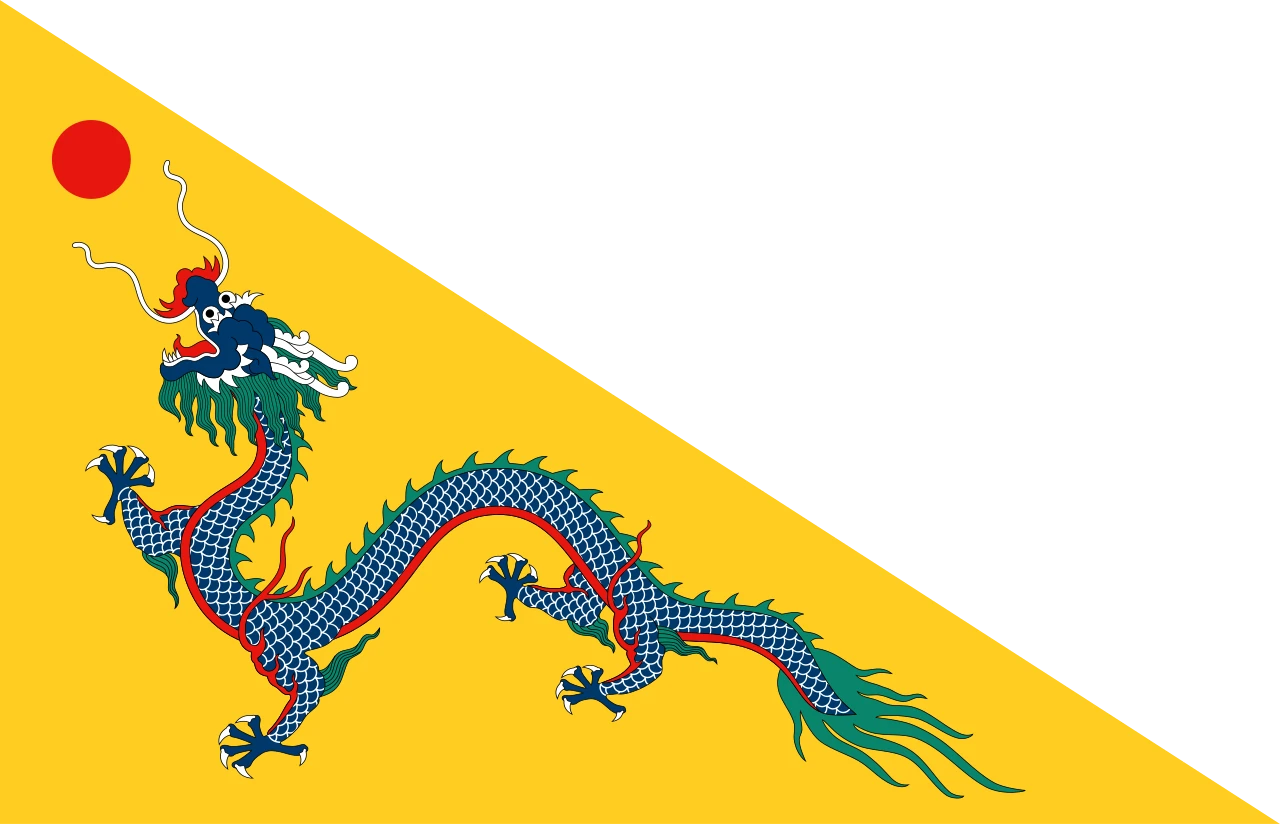
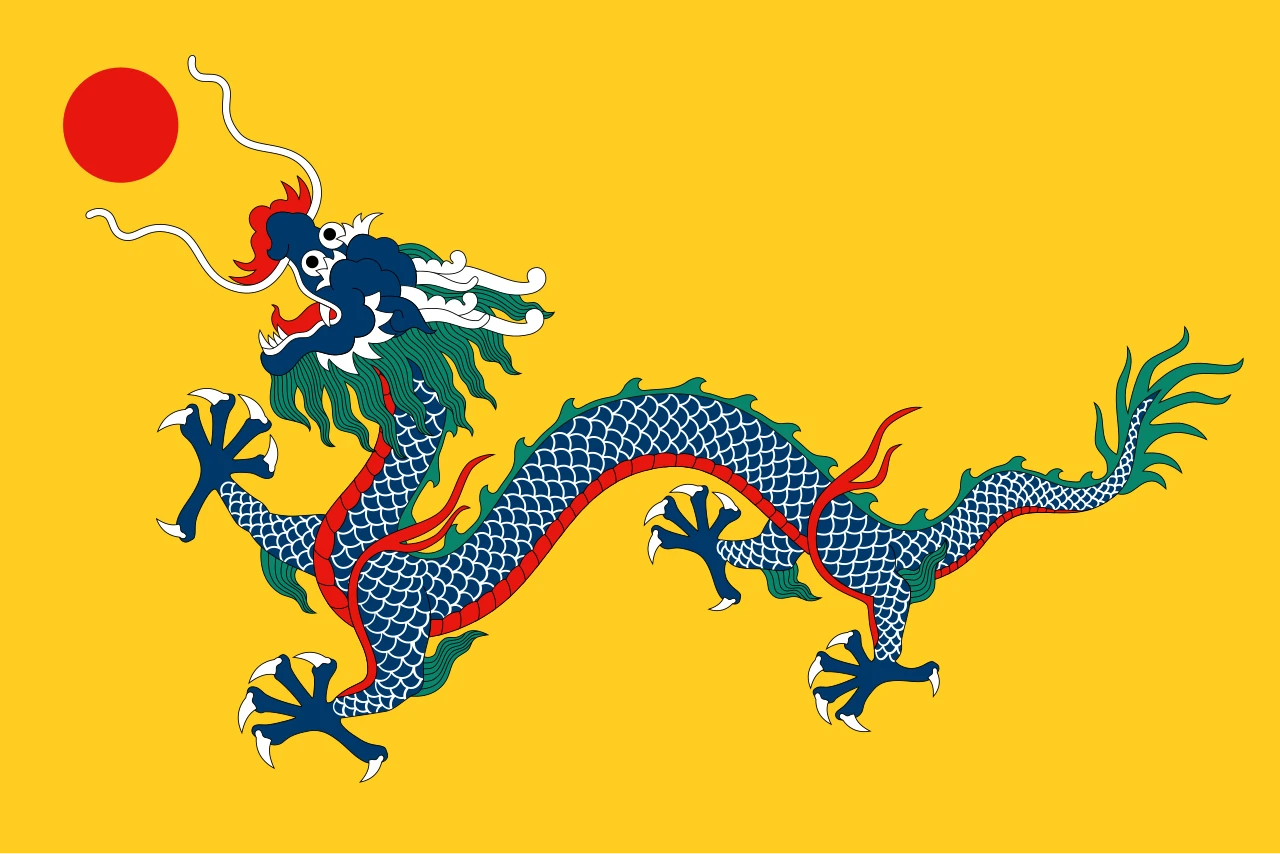
The flag of the People’s Republic has not changed since 1949. Before that, China’s different governments had used very different ones.
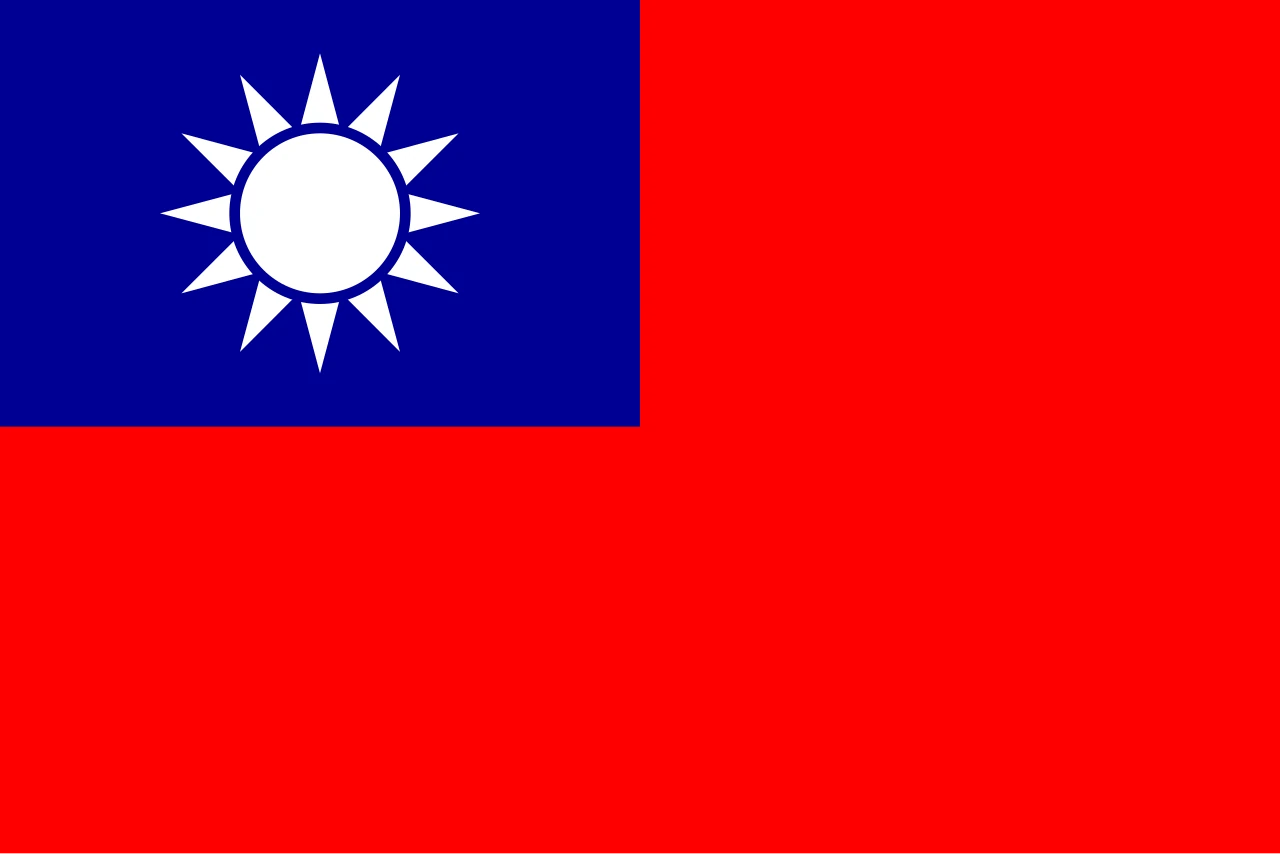
The government of the Republic of China adopts the red flag with a white sun on blue. Since 1949 that government has kept using it in Taiwan.
1949
The red flag of five stars of the People’s Republic of China is born.
What it means
This is the current official interpretation:
Red
the communist revolution. In China it has also been, since ancient times, the colour of joy and good luck.
Yellow
it was chosen so that the stars would shine against the red.
Large star
the Communist Party of China.
Four small stars
the Chinese people. In Zeng’s original idea they were four social groups: workers, peasants, petty bourgeoisie and national bourgeoisie.
Position of the stars
each small star points one of its tips at the centre of the big one, as a symbol of unity around the party.
It is sometimes said that the five stars are the five great peoples of China, but that is a confusion with the striped flag of 1912.
Fun facts
The sickle and the hammer disappeared
Zeng’s original design carried a sickle and a hammer inside the big star. They were removed because the flag looked too much like that of the Soviet Union.
Mao’s favourite did not win
At the start, Mao Zedong preferred another design, with one star and a yellow stripe standing for the Yellow River. Several members of the commission objected because the stripe looked as if it split the country in two.
A flag on the Moon
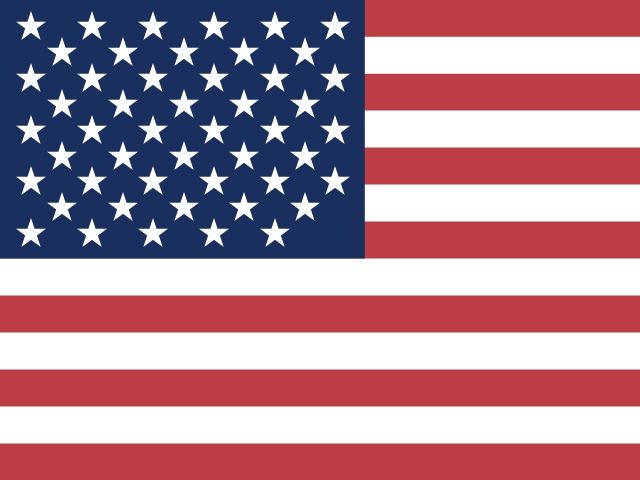
In December 2020 the Chang’e 5 probe deployed a Chinese cloth flag on the surface of the Moon. China was the second country to do so, after the United States.
Buy the flag
Buy the flag on AmazonAffiliate link: if you buy, Wiki Banderas receives a small commission.
Buy the flag on AmazonAffiliate link: if you buy, Wiki Banderas receives a small commission.
Buy the flag on AmazonAffiliate link: if you buy, Wiki Banderas receives a small commission.
Buy the flag on AmazonAffiliate link: if you buy, Wiki Banderas receives a small commission.
Buy the flag on AmazonAffiliate link: if you buy, Wiki Banderas receives a small commission.





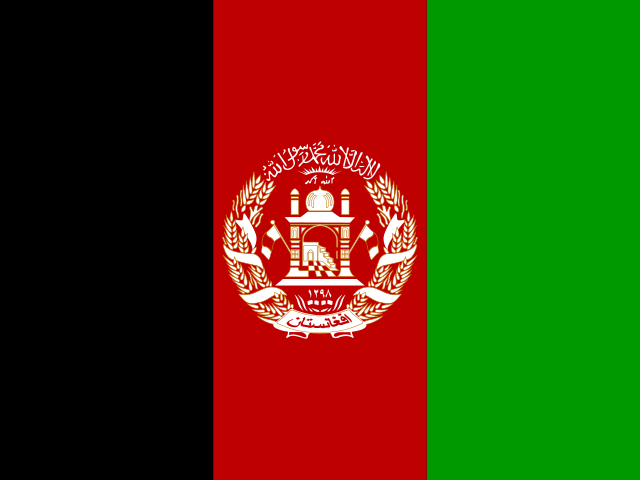 Afghanistan
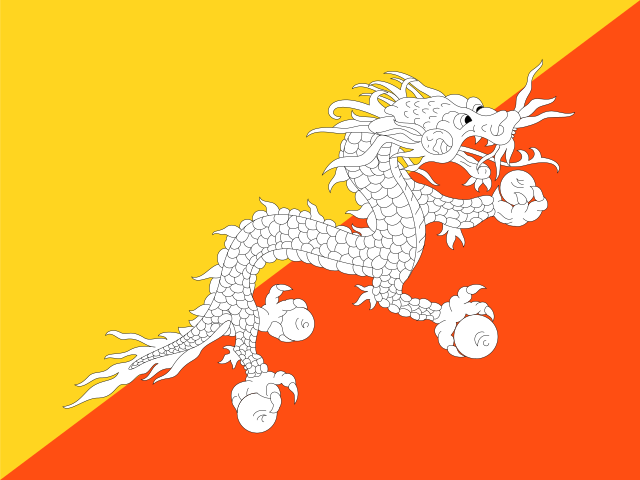 Bhutan
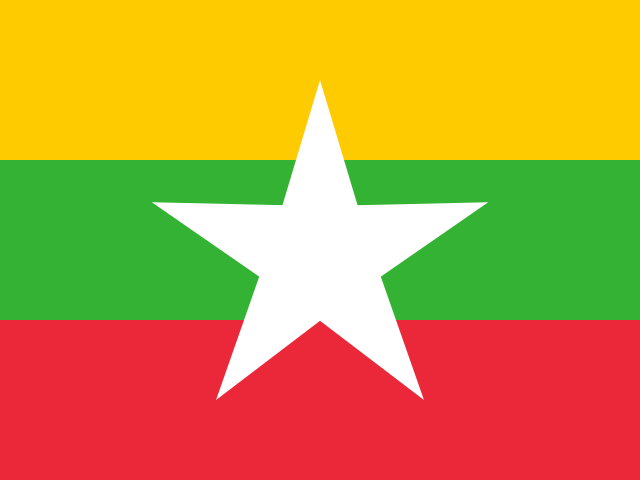 Myanmar
 Hong Kong
 India
 Kazakhstan
 Nepal
 North Korea
 Kyrgyzstan
 Laos
 Macau
 Mongolia
 Pakistan
 Russia
 Tajikistan
 Vietnam