Skip to content

Wiki Banderas
Open menu

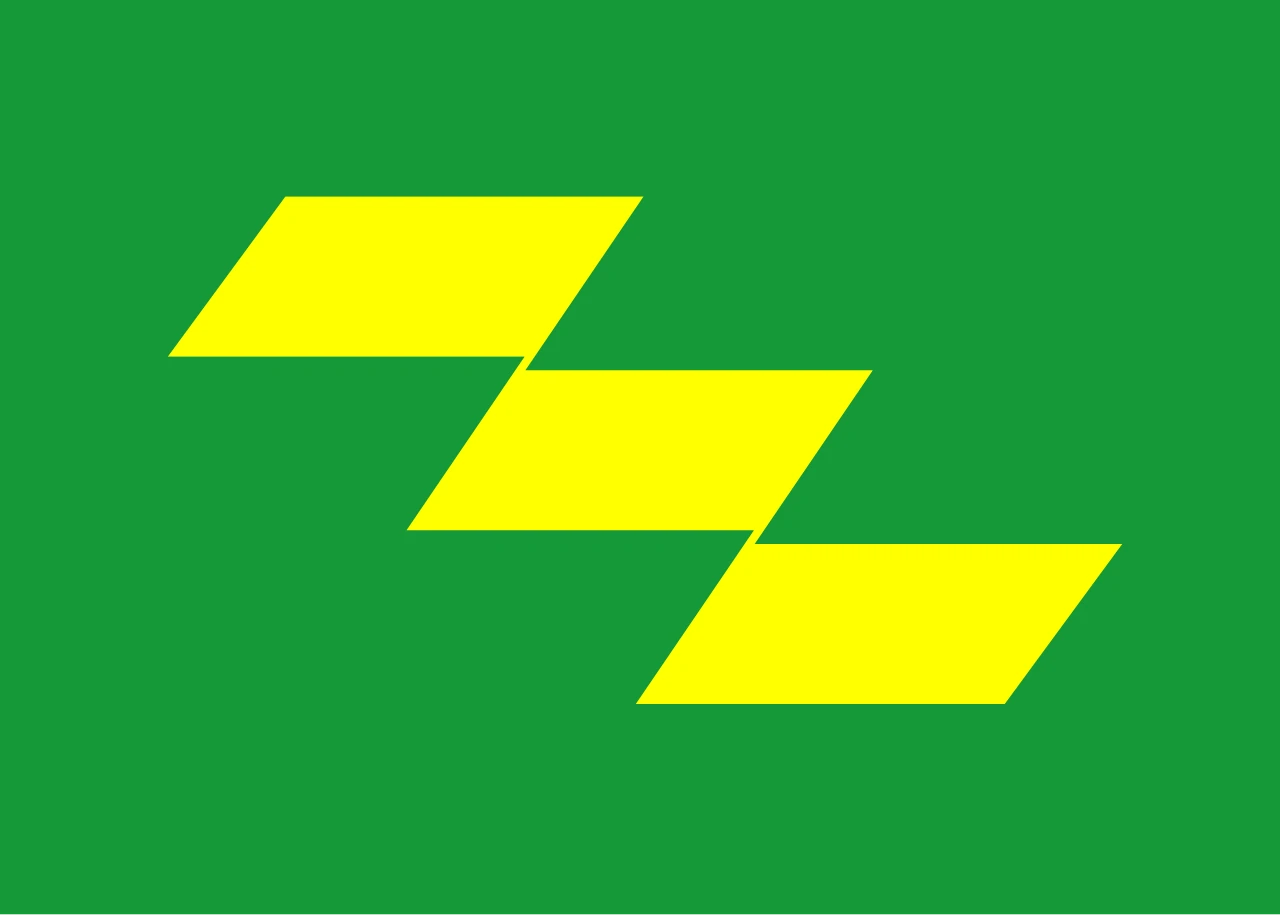
Flag of Miyazaki

Three yellow lozenges form the syllable ミ of Miyazaki on a green field: the flag was born in 1964 from a competition with 403 entries.

Flag of Miyazaki
Coat of arms

The flag, in figures

Every fact about the flag, each with what it means.

Proportions
5:77 wide for every 5 high. 6 flags in the catalogue share it.
Properties
Normal flagFIAV symbol: the form of the flag.
Use
CivilFIAV symbol: who may fly the flag.
Adopted
196422 December 1964 · 62 years ago
Colours
  • green
  • yellow
Reference shades: the official one may vary slightly.
Coat of arms
YesIt carries the coat of arms on the cloth.

Take a closer look

  • Field

  • Lozenges

  • No coat of arms

  • Colours

How it is described

The flag in the words of vexillology and heraldry.

Vexillological description

It is a rectangular field with a 5:7 ratio in green, with three yellow lozenges set diagonally that draw the syllable ミ.

Field (the cloth)
green and plain, with no divisions or border.
Lozenges
three, yellow, aligned diagonally and separated from each other.
No coat of arms
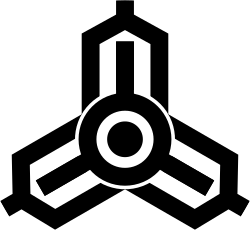
it does not carry the coat of arms of the prefecture, only that figure.
Colours
green ground and yellow in the lozenges.
What it carries

Each element and how many of the 1,390 flags in the catalogue carry it. In yellow, the rarest.

Its history in dates

Every date in its story, at a glance.

  1. 1883

    Miyazaki had split from Kagoshima in 1883

  2. 1912

    The commission debated at length whether it should copy the local coat of arms of 1912

  3. 1963

    On the eightieth anniversary of the split, in 1963, the government set up a commission to create…

  4. 1964

    The design has not changed since its approval on 22 December 1964

The full story

How it was born, how it has changed and what it means.

The flag of Miyazaki is a green field with three yellow lozenges set diagonally. The lozenges draw the syllable ミ (mi), the first of its name in katakana, the Japanese syllabary. It is the symbol of a prefecture in the southeast of Kyushu, in the south of Japan.

How it came about

Miyazaki had split from Kagoshima in 1883. On the eightieth anniversary of the split, in 1963, the government set up a commission to create a flag of its own. The commission debated at length whether it should copy the local coat of arms of 1912, and in the end called a competition open to any design: 403 entries arrived from people aged between 10 and 88.

How it has changed

The design has not changed since its approval on 22 December 1964. That same day Miyazaki also launched its official song, which is still in use.

What it means

This is the official reading of the prefecture:

  • Green ground

    the land of Miyazaki, full of fields and forests.

  • Yellow lozenges

    the light of the sun falling on it.

  • The shape ミ

    rays and ground together form the first syllable of the name of Miyazaki in katakana.

Fun facts

  1. The winner arrived by luck

    Neither of the two finalist designs was entirely convincing. A member of the jury rescued one that had been discarded, the colours of the other were added to it and that hybrid won; authorship was credited to Takeyuki Mio.

  2. Flag and coat of arms unrelated

    Miyazaki is one of the few Japanese prefectures whose flag does not use its coat of arms, as do Oita, Hyogo, Ehime and Saga.

Localisation

How much have you learnt?

Test what you have read about the flag of Miyazaki.

  1. 1. Which one is the flag of Miyazaki?

  2. 2. Which of these elements appears on the flag?

  3. 3. In which year was the current flag adopted?

Sources

Sources consulted:

Credits

Flag image: Ninane at nl.wikipedia, Wikimedia Commons · Public domain.

More flags

Accessibility preferences

Accessibility statement

Quick profiles

Text and reading

Text size
Default
Line height
Default
Letter spacing
Default
Word spacing
Default

Colour

Motion and orientation

Cursor