Skip to content

Wiki Banderas
Open menu

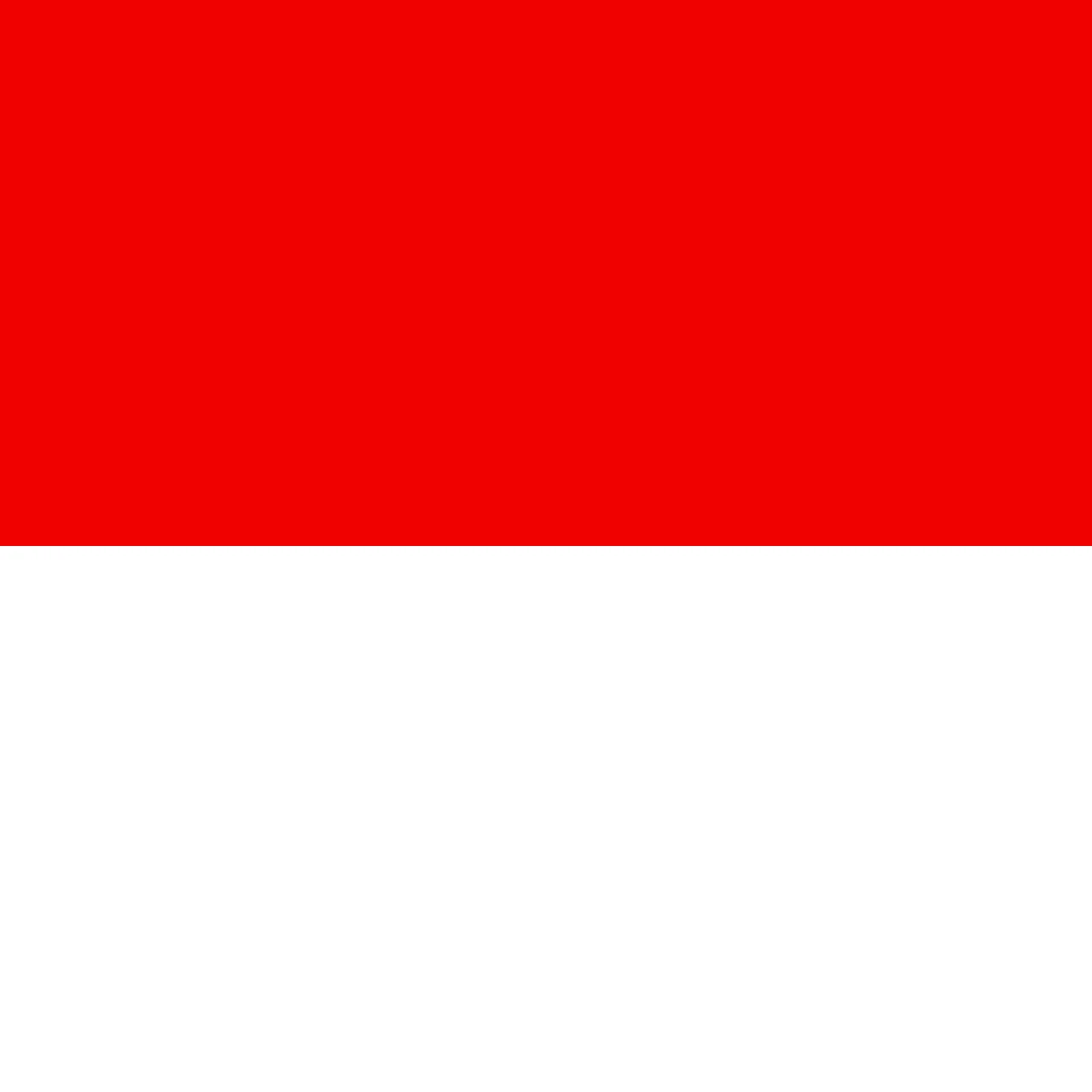
Flag of Solothurn

Red half, white half: the colours of Saint Urs, patron of Solothurn, appear on a seal of 1394 and are so simple that another canton protested at repeating them.

Flag of Solothurn
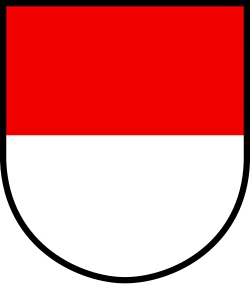
Coat of arms

The flag, in figures

Every fact about the flag, each with what it means.

Proportions
1:11 wide for every 1 high. 29 flags in the catalogue share it.
Properties
Normal flagFIAV symbol: the form of the flag.
Use
CivilFIAV symbol: who may fly the flag.
Colours
  • Red
  • White
Reference shades: the official one may vary slightly.
Coat of arms
YesIt carries the coat of arms on the cloth.

Take a closer look

  • Divisions

  • No charge

  • Hoist and fly

  • Asta y batiente

How it is described

The flag in the words of vexillology and heraldry.

Vexillological description

It is a square field with a 1:1 ratio divided in half: red above and white below, with no figures.

Divisions
a horizontal cut divides the field into two equal halves.
No charge
the charge is the figure drawn on the field, and here there is none.
Hoist and fly
the cut runs from the flagpole (the pole it is hoisted from) to the fly (the opposite edge), side to side.
Asta y batiente
el corte va del asta (el palo por el que se iza) al batiente (el borde opuesto), de lado a lado.
What it carries

Each element and how many of the 1,390 flags in the catalogue carry it. In yellow, the rarest.

The full story

How it was born, how it has changed and what it means.

The flag of Solothurn is the simplest in Switzerland: red above, white below, with no figures or coats of arms. It is the only canton with that bare division, and its colours are considered those of its patron saint.

How it came about

Solothurn venerates Saint Urs, who according to legend was beheaded by the bridge over the Aare and whose body, headless, went on walking to his burial. The city’s seal has depicted him since 1394 on a red and white ground identical to the current one, so those are indeed the colours of the saint. There are two theories about where those colours came from. The first attributes them to the vexillum of the Theban Legion, the Roman unit massacred in Switzerland in 302 for refusing to persecute the Christians; Urs would have been an officer of that legion. The second, less credible to historians, says Solothurn copied the colours of Austria.

How it has changed

The two colours have not moved since the seal of 1394; no coat of arms, no keys, no crosses: Solothurn is the only Swiss canton whose standard is simply red and white divided.

What it means

  • Red and white: the colours of Saint Urs, patron of Solothurn; perhaps the standard of the Theban Legion, according to the most repeated theory.

Fun facts

  1. The saint who picked up his head

    The legend holds that Urs’s headless body came out of the river, retrieved his head and walked alone to the place of his tomb; that is why he is patron of the city and of its flag.

  2. Solothurn joined the Confederation with a banned flag

    In 1481 Solothurn was admitted on the same day as Fribourg, and Obwalden voted against because it carried the identical red and white since the thirteenth century.

  3. A Celtic name

    Solothurn comes from Solodurum, a Celtic name whose ending -durum means gate: the city was a gateway to the Helvetic territory.

Localisation

How much have you learnt?

Test what you have read about the flag of Solothurn.

  1. 1. Which one is the flag of Solothurn?

  2. 2. What are the proportions (height:width) of the flag?

Sources

Sources consulted:

Credits

Flag image: Original: Unknown author Vector: SpinnerLaserzthe2nd, Wikimedia Commons · Public domain.

More flags

Accessibility preferences

Accessibility statement

Quick profiles

Text and reading

Text size
Default
Line height
Default
Letter spacing
Default
Word spacing
Default

Colour

Motion and orientation

Cursor