Skip to content

Wiki Banderas
Open menu

Flag of Department of Aisne

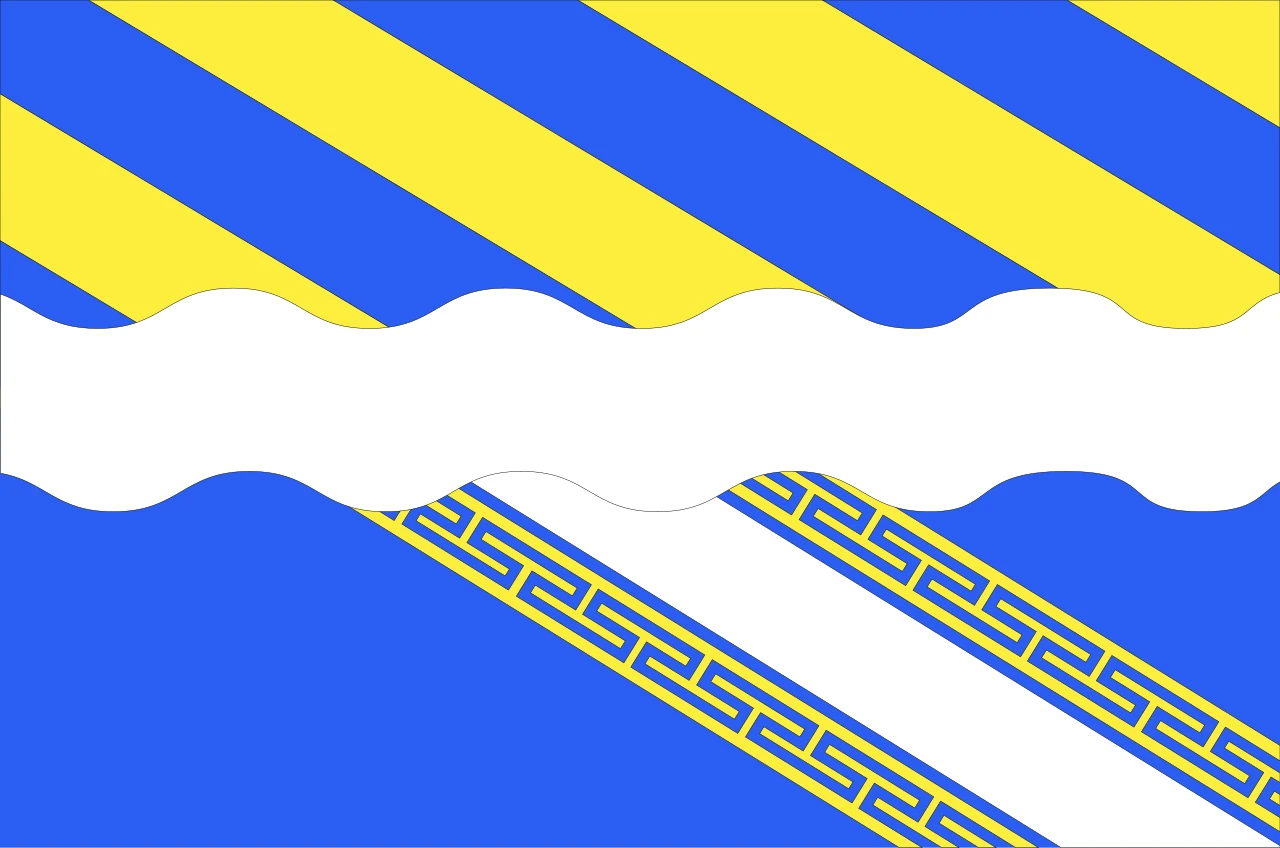
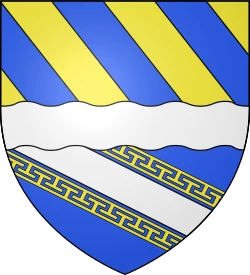
The flag of the French department of Aisne is white with the coat of arms proposed by the heraldist Robert Louis: Ponthieu, Champagne and the wavy river.

Flag of Department of Aisne
Coat of arms

The flag, in figures

Every fact about the flag, each with what it means.

Proportions
2:33 wide for every 2 high. 989 flags in the catalogue share it.
Properties
Normal flagFIAV symbol: the form of the flag.
Use
CivilFIAV symbol: who may fly the flag.
Colours
  • White
  • Blue
  • Yellow
Reference shades: the official one may vary slightly.
Coat of arms
YesIt carries the coat of arms on the cloth.
123

Take a closer look

  1. The two halves

  2. 1

    The wavy band

  3. 2

    The cotises

  4. 3

    The silver band

How it is described

The flag in the words of vexillology and heraldry.

Vexillological description

It is a white field (the field is the cloth of the flag) with a 2:3 ratio, with the coat of arms of the department in the centre. The coat of arms is divided into two halves and a wavy white line crosses it through the middle.

Field
plain and white, with no stripes or divisions; the coat of arms goes on top, centred.
Upper half
gold field with three blue bands diagonally.
Lower half
blue field with a white diagonal band and, at its sides, two gold fillets with zigzag ends.
Wavy stripe
a white band in the shape of a wave that covers the junction of the two halves; it is the river.
What it carries

Each element and how many of the 1,390 flags in the catalogue carry it. In yellow, the rarest.

The full story

How it was born, how it has changed and what it means.

The flag associated with Aisne is a white field with the coat of arms of the department in the centre. The coat of arms is divided into two halves and a wavy white line crosses it through the middle.

How it came about

Aisne is a department in northern France. The coat of arms was proposed by the heraldist Robert Louis.

The coat of arms brings together three references: Ponthieu, Champagne and the river. The wavy white stripe crossing the shield is the river.

How it has changed

It has never changed. No approval date is recorded.

What it means

  • White

    the colour of the field, plain and with no stripes. The coat of arms goes on top, centred.

  • Coat of arms

    divided into two halves.

  • Upper half

    gold field with three blue bands diagonally.

  • Lower half

    blue field with a white diagonal band and, at its sides, two gold fillets with zigzag ends.

  • Wavy stripe

    a white band in the shape of a wave that covers the junction of the two halves. It is the river.

Fun facts

  1. A line of water as the axis of the coat of arms

    The river is not in a corner of the shield: it crosses the whole coat of arms, joining the two halves. The wavy stripe covers the junction between them, so that the water is literally the element that stitches the two histories together.

  2. The zigzag ends of the fillets

    In the lower half, the two gold fillets have zigzag ends. It is a minor heraldic detail, but the description records it because the zigzag is what distinguishes those fillets from a plain line.

  3. A heraldist’s proposal, not an ancient inheritance

    The coat of arms was proposed by Robert Louis, a heraldist. It is not an old tradition handed down: it is a modern design, composed from three historical references. It is the kind of French departmental coat of arms that gets designed rather than inherited.

Location

How much have you learnt?

Test what you have read about the flag of Department of Aisne.

  1. 1. Which one is the flag of Department of Aisne?

  2. 2. What are the proportions (height:width) of the flag?

More flags

Accessibility preferences

Accessibility statement

Quick profiles

Text and reading

Text size
Default
Line height
Default
Letter spacing
Default
Word spacing
Default

Colour

Motion and orientation

Cursor