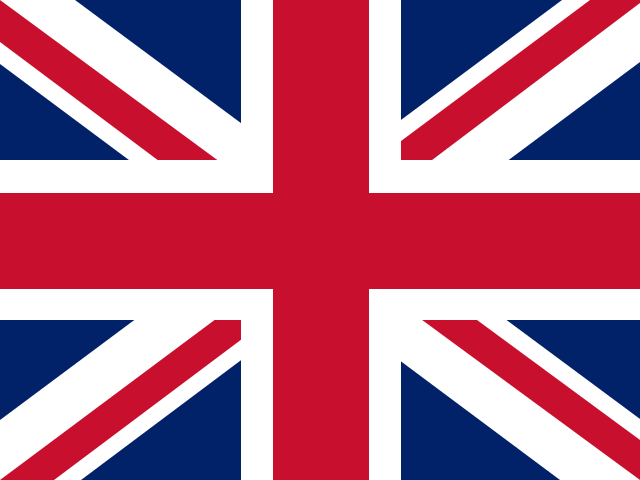
Three crosses of patron saints, that of England, that of Scotland and that of Ireland, laid one over another on a blue field to show the union of three kingdoms.
Every fact about the flag, each with what it means.
Proportions
1:22 wide for every 1 high. 49 flags in the catalogue share it.
Properties
Normal flagFIAV symbol: the form of the flag.
Use
Civil, state and militaryFIAV symbol: who may fly the flag.
Adopted
18011 January 1801 · 225 years ago
Colours
White
Red
Blue
Reference shades: the official one may vary slightly.
Nickname
Union Jack
Take a closer look
The blue field
1
The cross of Saint George
2
The saltire of Saint Andrew
3
The saltire of Saint Patrick
How it is described
The flag in the words of vexillology and heraldry.
Vexillological description
It is a blue rectangular field with a 1:2 ratio, crossed by three crosses laid one over another: the Union Flag.
Cross of St George
red with a white border, centred and shifted towards the flagpole: the cross of England.
Saltire of St Andrew
white, running diagonally corner to corner on a blue field: that of Scotland.
Saltire of St Patrick
red and narrower, that of Ireland, with the peculiarity that it is off-centre: its arms are shifted to one side of the white band, changed in direction diagonally.
Detail
no law fixes the thickness of the strokes: it varies according to use.
What it carries
Each element and how many of the 1,390 flags in the catalogue carry it. In yellow, the rarest.
In 1603 King James VI of Scotland also inherited the crowns of England and Ireland
1606
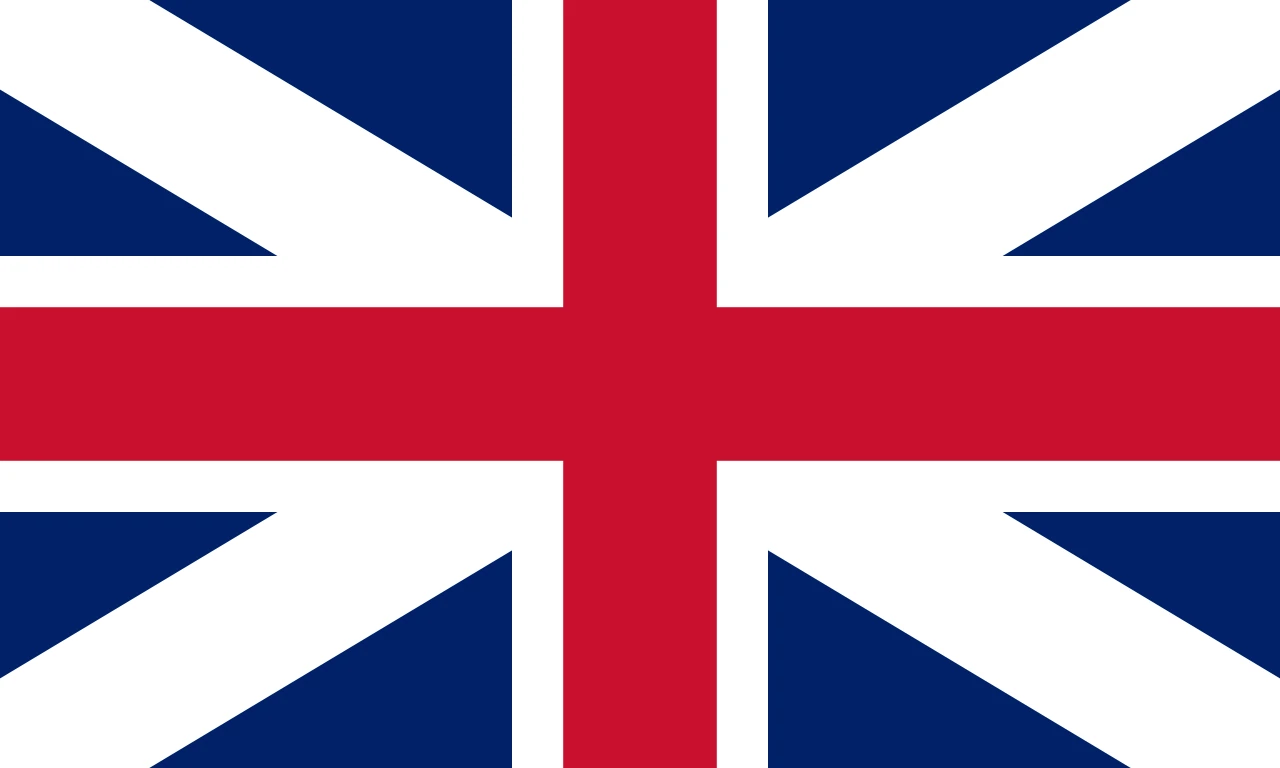
To show that union, in 1606 the king ordered ships to fly a new flag that joined the two crosses
1707
In 1707 England and Scotland merge into a single kingdom
1801
When Ireland joined the kingdom in 1801 several proposals were put forward to represent the island
1830
From the 1830s English republicans and Chartists used this horizontal red
1851
Linton, who signed as Spartacus, describes this flag in the poem Our Tricolour of 1851: three…
2013
After the 2013 independence referendum
The full story
How it was born, how it has changed and what it means.
The flag of the United Kingdom is blue and carries three crosses, one over another. Each is that of a patron saint: St George for England, St Andrew for Scotland and St Patrick for Ireland. It is known as the Union Jack.
How it came about
In 1603 King James VI of Scotland also inherited the crowns of England and Ireland. They were separate kingdoms with the same king, and each had its own flag. The English hoisted a red cross on a white field. The Scots, a white saltire, a cross in the shape of an X, on a blue field.
To show that union, in 1606 the king ordered ships to fly a new flag that joined the two crosses. The Scots did not like it: the English cross lay on top of theirs and covered it. They protested, but nothing changed. What is true is that the blue of the flag is Scotland’s blue.
How it has changed
The flag has changed every time the union between the kingdoms has changed.
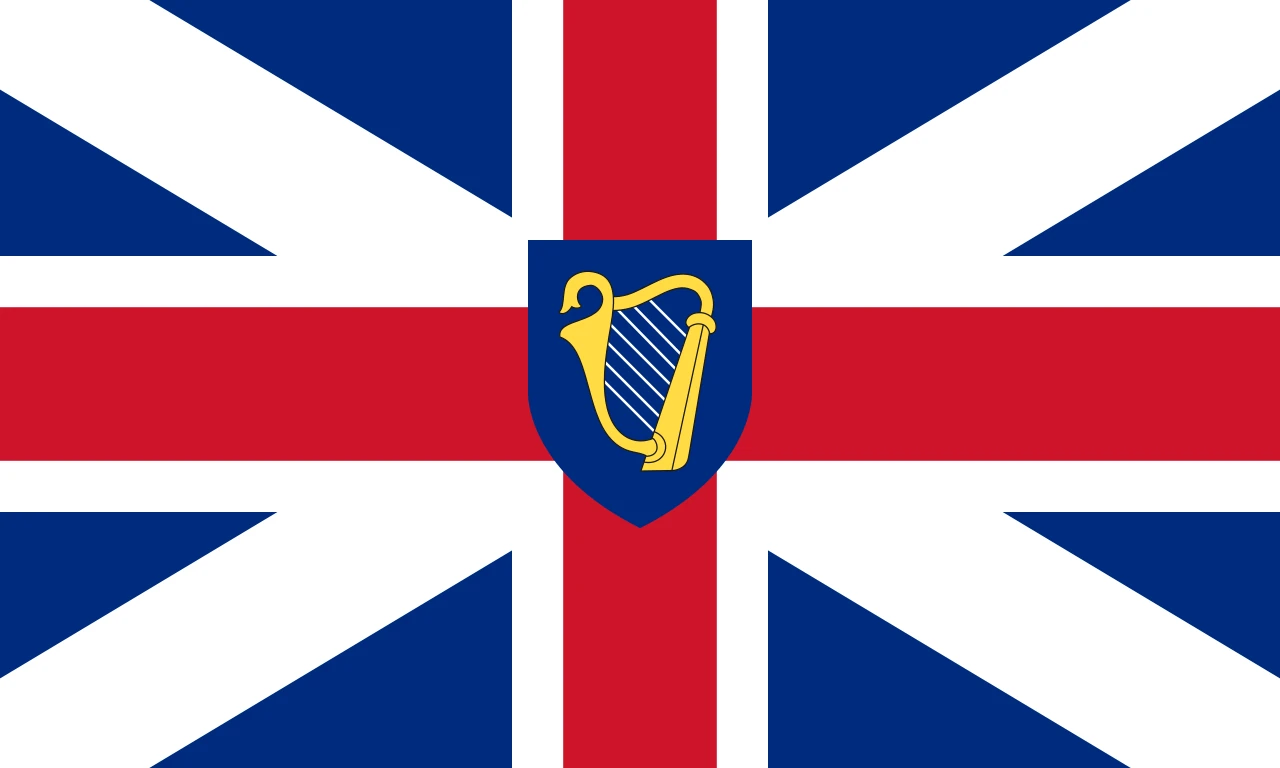
After the civil war England is a republic. Oliver Cromwell recovers the flag and adds in the centre a golden harp, the symbol of Ireland.
1660-1800
With the return of the king the harp disappears. In 1707 England and Scotland merge into a single kingdom, Great Britain, and the flag stays the same.
1801
Ireland joins the kingdom and the red saltire of St Patrick is added. It is the flag used today.
Other flags and proposals
The Union Jack has been redrawn many times, and every time the crosses were touched the debate came back. These are some of the alternatives that were left on the table.
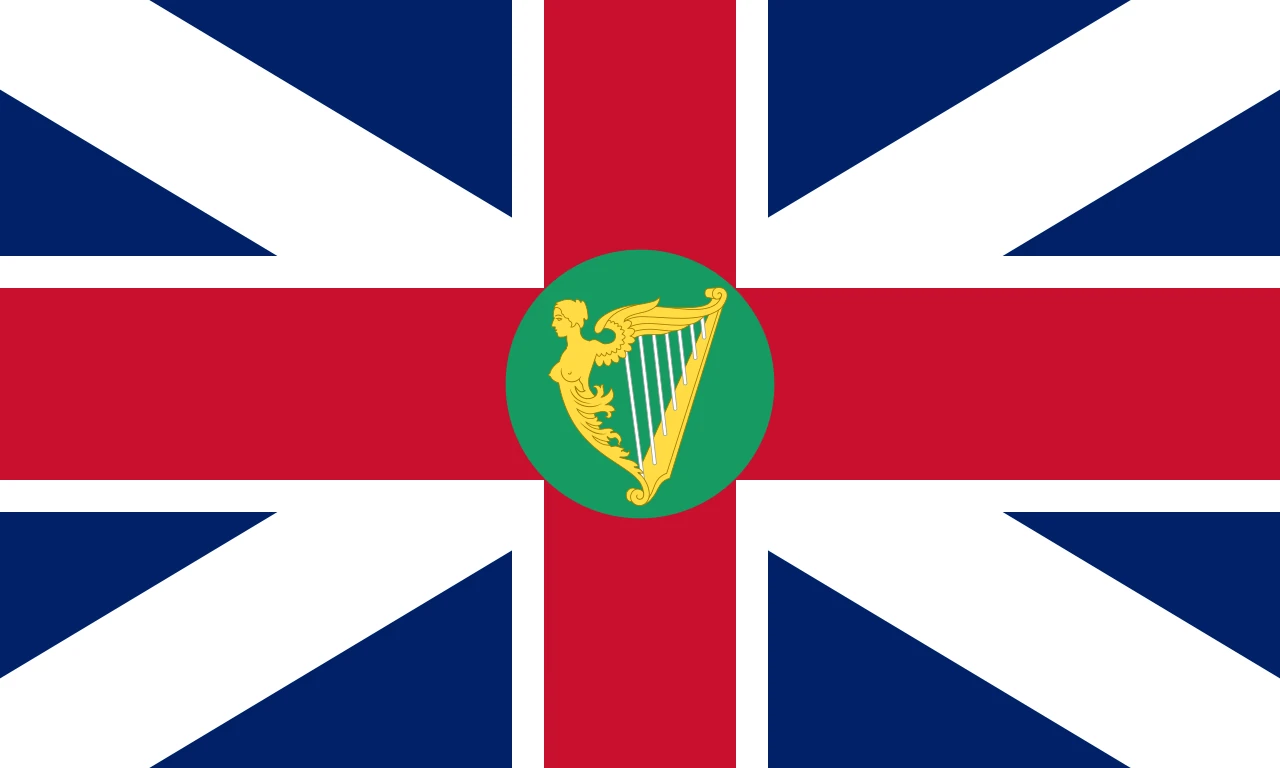
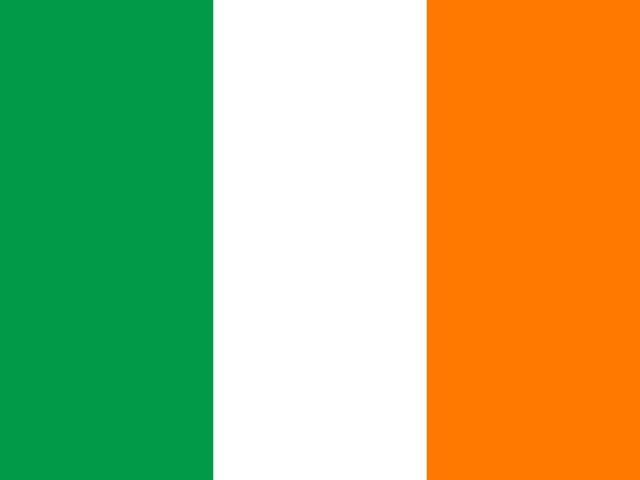
When Ireland joined the kingdom in 1801 several proposals were put forward to represent the island. One, in a monarchical style, added the Irish harp over a green disc in the centre. Instead a red saltire, that of St Patrick, was chosen, following the tradition of the other two crosses.
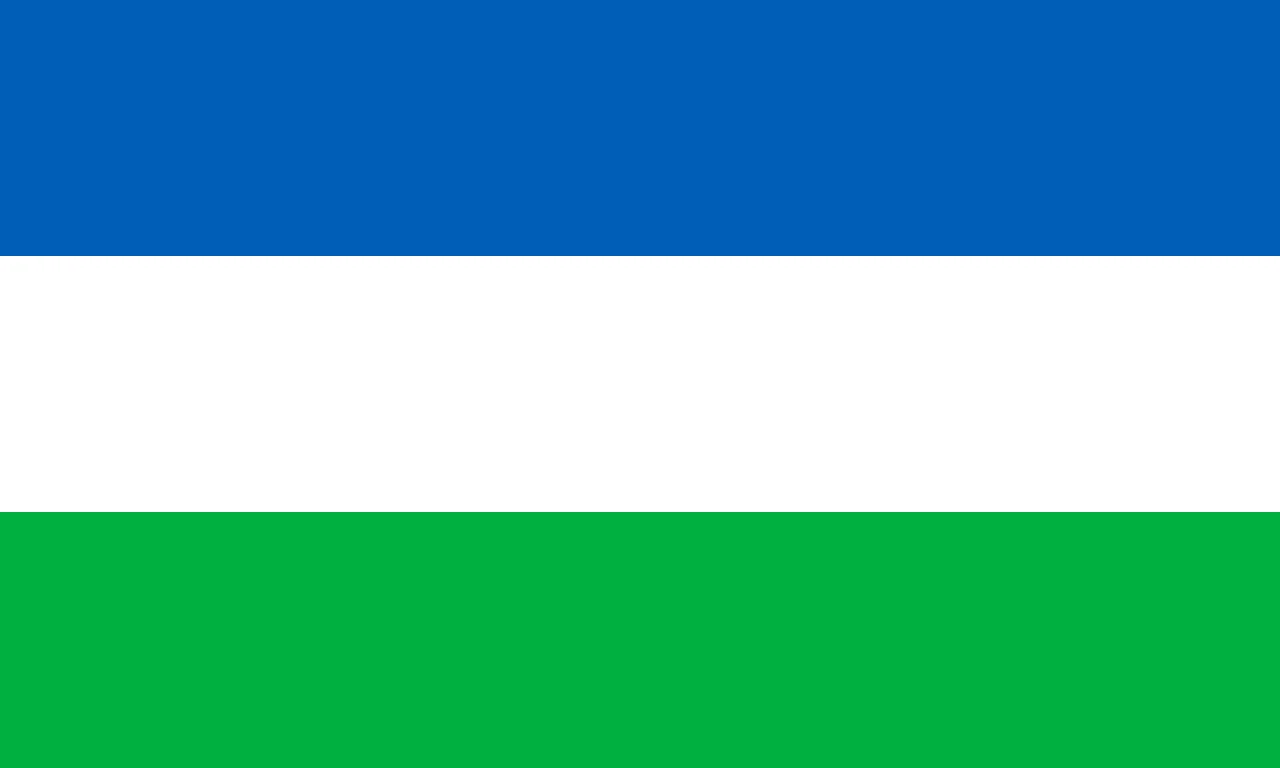
The Chartist printer L. J. Linton, who signed as Spartacus, describes this flag in the poem Our Tricolour of 1851: three horizontal stripes in the colours of the three peoples of the islands. The drawing reproduced here is a modern reconstruction, made from the description in the poem.
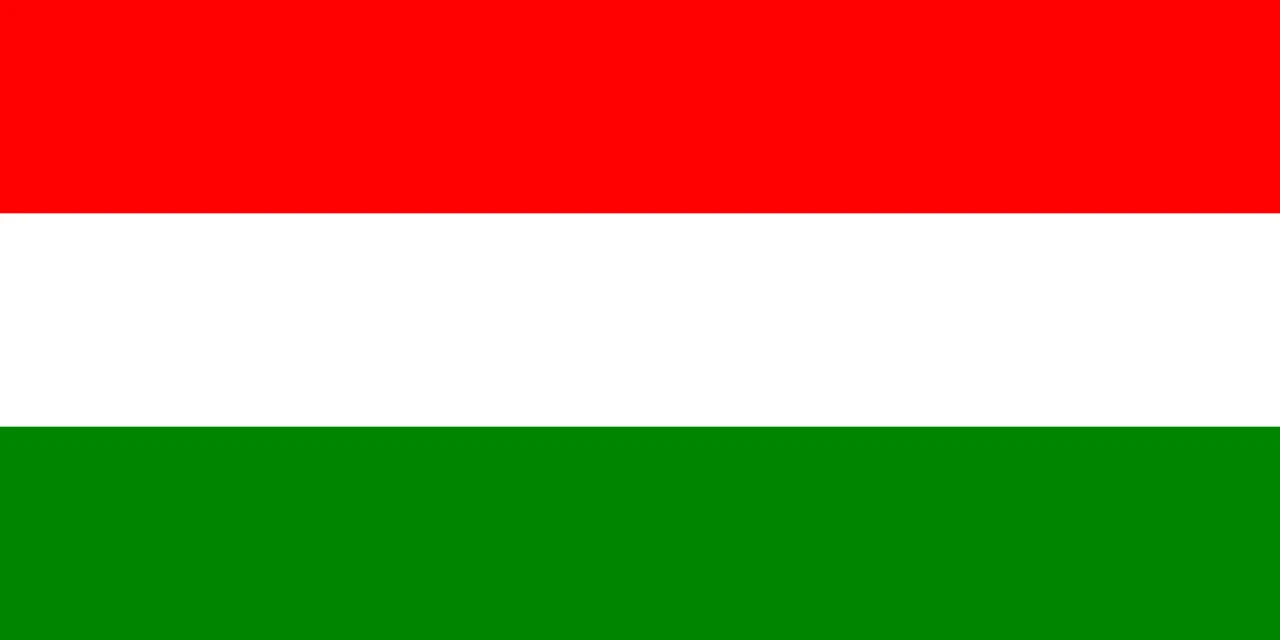
From the 1830s English republicans and Chartists used this horizontal red, white and green tricolour, the same colours as the flag of the Commonwealth of England. The authorities treated it as evidence of rebellion and ordered it to be seized.
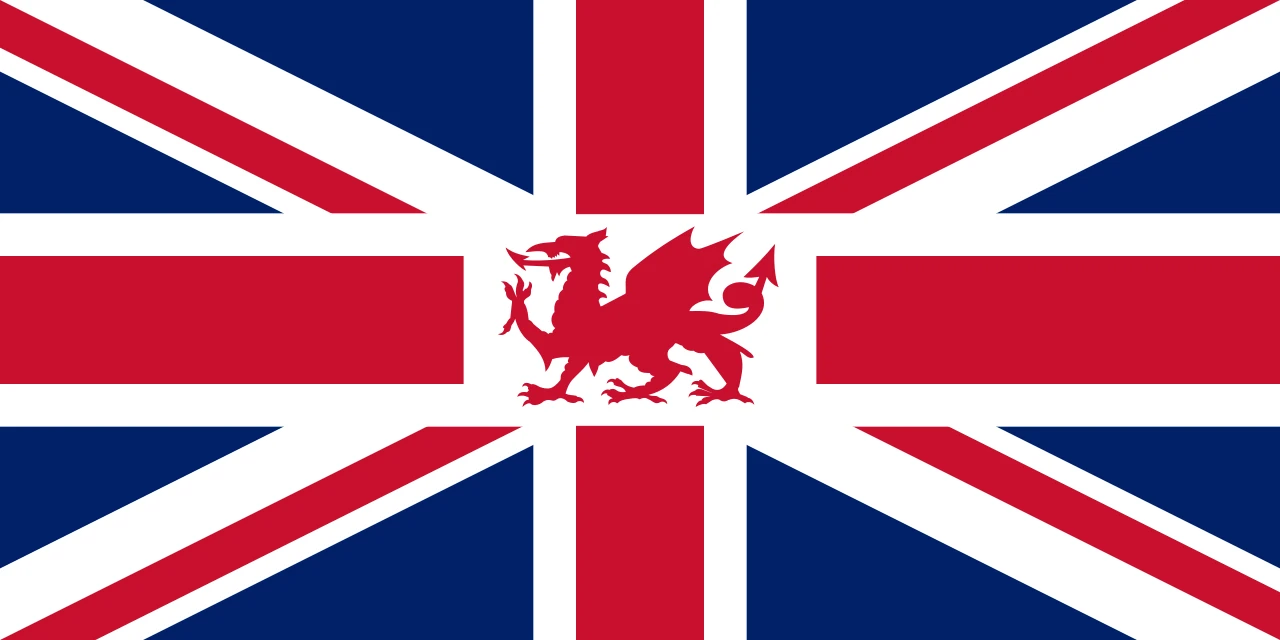
Margaret Hodge, a Labour MP, proposed adding the red dragon of Wales in the centre of the flag, so that the four countries that formed it would all be represented. The proposal was never debated.
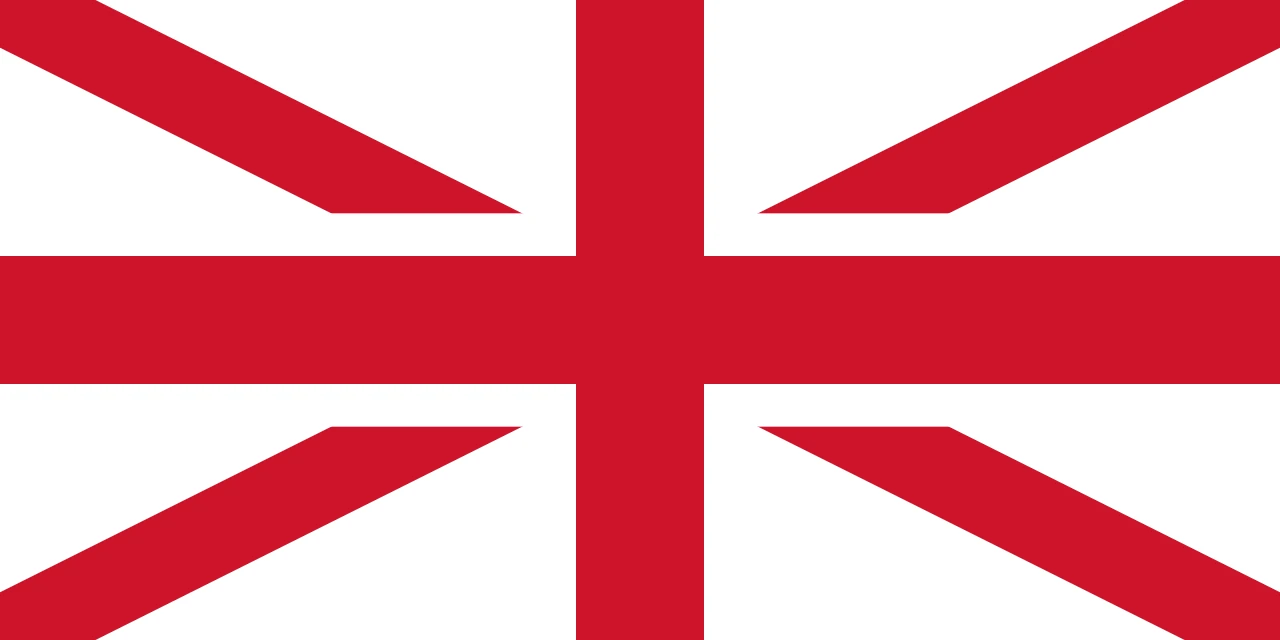
After the 2013 independence referendum, held the following month, proposals appeared for what the flag would look like if Scotland’s leaving coexisted with the Union. This one removes the saltire of St Andrew and leaves only the crosses of England and Ireland.
What it means
Each part of the flag represents one of the kingdoms that formed the country:
Red cross with white border
St George, patron of England.
White saltire on blue
St Andrew, patron of Scotland.
Red saltire
St Patrick, patron of Ireland. Today only Northern Ireland is part of the United Kingdom, but the saltire is still there.
Wales
it does not appear. In 1606 it was considered part of the Kingdom of England.
The red saltire is not exactly in the centre of the white one, but a little displaced. That way neither Scotland nor Ireland ends up above the other.
Fun facts
It has a top side
Because the red saltire is displaced, the flag does not look the same the right way up as the wrong way up: next to the flagpole, the wide white stripe must be at the top. In a 2017 survey, fewer than half of Britons knew which was the correct position.
Union Jack or Union Flag
Many people believe it can only be called ‘Union Jack’ when it flies on the bow of a warship, because ‘jack’ is the name of that flag. But the British Admiralty already decided in 1902 that both names were correct.
The dragon that was left out
In 2007 a Welsh MP proposed adding the red dragon of Wales to the flag. The idea was never approved.
Buy the flag
Buy the flag on AmazonAffiliate link: if you buy, Wiki Banderas receives a small commission.
Country facts
Where it is and what borders it.
Capital
London
Area
242,900 km²
Country
United Kingdom of Great Britain and Northern Ireland




 Ireland