
Skip to content

Wiki Banderas
Open menu

Flag of Aomori

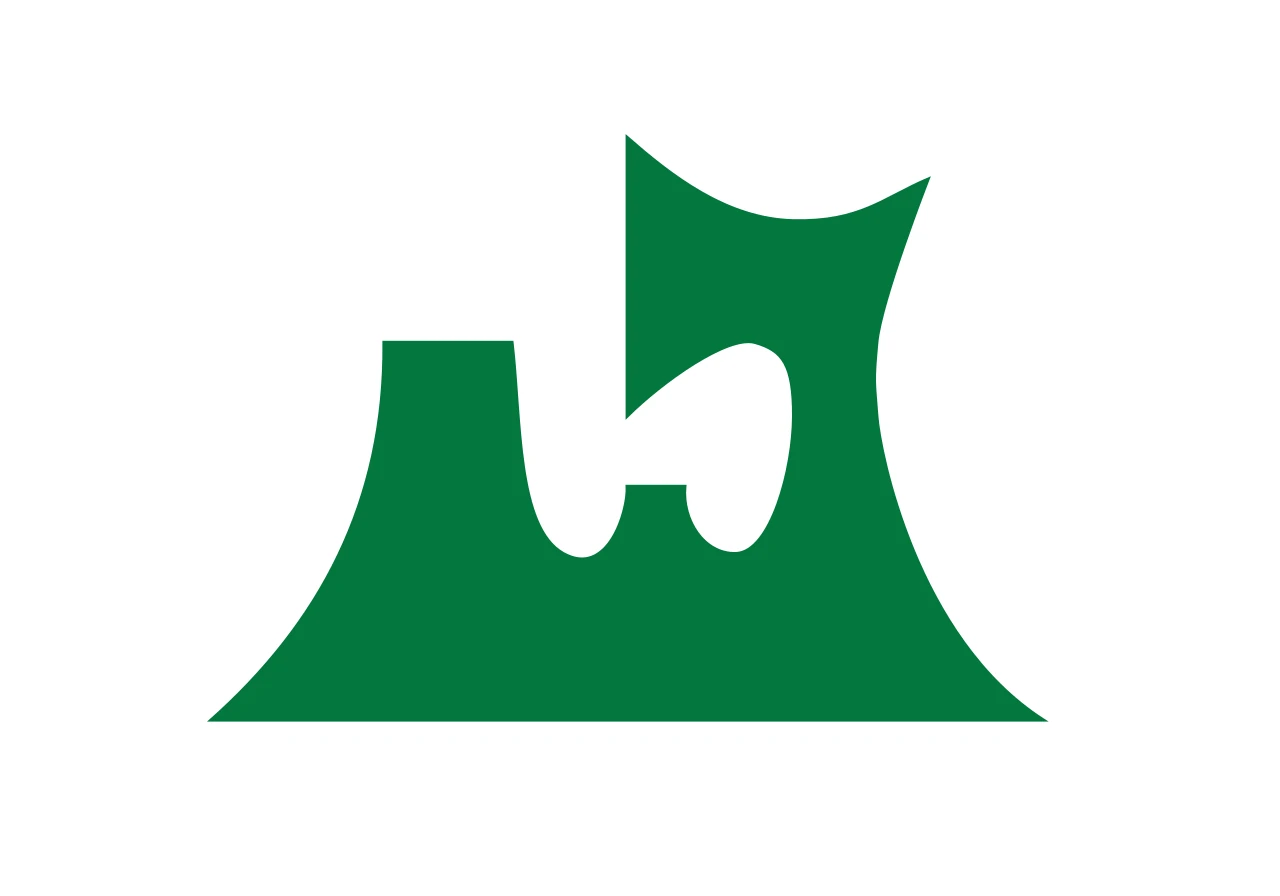
The silhouette of the territory in green on a white field: the flag of Aomori, of 1961, copies the shape of this Japanese prefecture of two peninsulas.

Flag of Aomori
Coat of arms

The flag, in figures

Every fact about the flag, each with what it means.

Proportions
7:1010 wide for every 7 high. 14 flags in the catalogue share it.
Properties
Normal flagFIAV symbol: the form of the flag.
Use
CivilFIAV symbol: who may fly the flag.
Adopted
19611 January 1961 · 65 years ago
Colours
  • white
  • green
Reference shades: the official one may vary slightly.
Coat of arms
YesIt carries the coat of arms on the cloth.

Take a closer look

  • Field

  • Emblem

  • No ornaments

How it is described

The flag in the words of vexillology and heraldry.

Vexillological description

It is a white flag with a 7:10 ratio, a little squarer than most, with the emblem of the prefecture in the centre.

Field
white and plain, with no divisions.
Emblem
in the centre, in dark green; it draws with a single piece the shape of the territory of Aomori.
No ornaments
there is neither a second figure nor a border in any other colour.
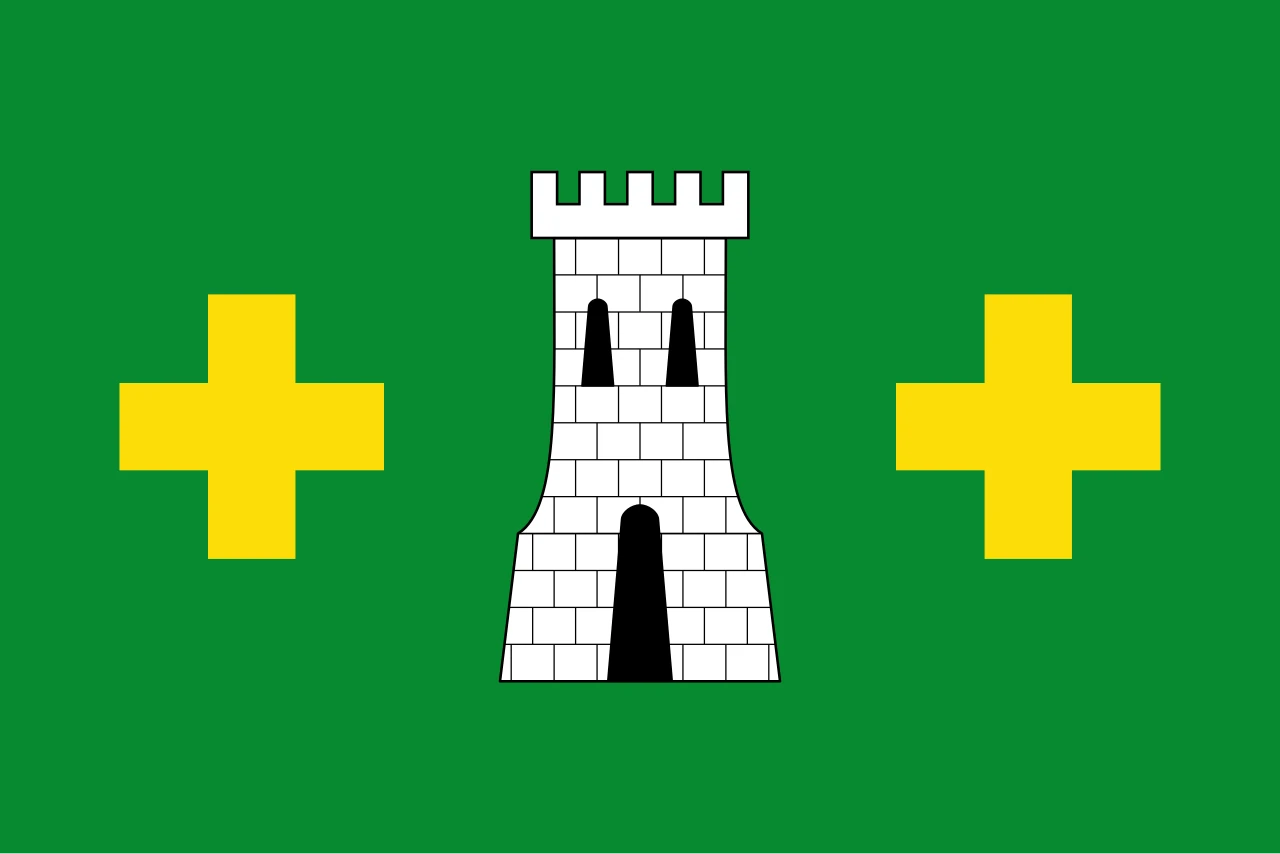
What it carries

Each element and how many of the 1,390 flags in the catalogue carry it. In yellow, the rarest.

The full story

How it was born, how it has changed and what it means.

The flag of Aomori is a white field with a dark green emblem in the centre that draws the shape of the territory of the prefecture.

How it came about

Aomori is a prefecture in the north of Japan, in the Tōhoku region, on the coast of the Sea of Japan. Its flag was adopted on 1 January 1961.

The emblem is a map. Not a detailed map: the silhouette of the territory, drawn in green on the white.

How it has changed

It has never changed. It was adopted in 1961 and there are no documented later modifications.

What it means

  • White

    the background of the field, plain and with no divisions.

  • Emblem

    in the centre, in dark green, drawing the shape of the territory of Aomori.

  • No ornaments

    neither a second figure nor a border in any other colour.

Fun facts

  1. A flag that is a map

    The flag of Aomori carries neither a heraldic emblem nor a symbol: it carries the silhouette of the prefecture itself. It is the most literal possible translation of a territory onto a field, with no intermediaries.

  2. The map keeps the real shape

    The emblem does not simplify the outline: it reproduces it. Anyone who sees the flag already knows what shape the prefecture has. It is a case where the emblem is pure geography, with no heraldic layer on top.

  3. Two colours and one piece

    White and dark green, and a single motif. It is the least amount of information a flag can contain, and it is still recognisable: the silhouette is enough.

Location

How much have you learnt?

Test what you have read about the flag of Aomori.

  1. 1. Which one is the flag of Aomori?

  2. 2. Which of these elements appears on the flag?

  3. 3. What are the proportions (height:width) of the flag?

  4. 4. In which year was the current flag adopted?

Sources

Text based on the article “Bandera de Aomori” from the Spanish Wikipedia, published under the licence CC BY-SA 4.0.

Sources consulted:

Credits

Flag image: Monaneko, Wikimedia Commons · Public domain.

More flags

Accessibility preferences

Accessibility statement

Quick profiles

Text and reading

Text size
Default
Line height
Default
Letter spacing
Default
Word spacing
Default

Colour

Motion and orientation

Cursor