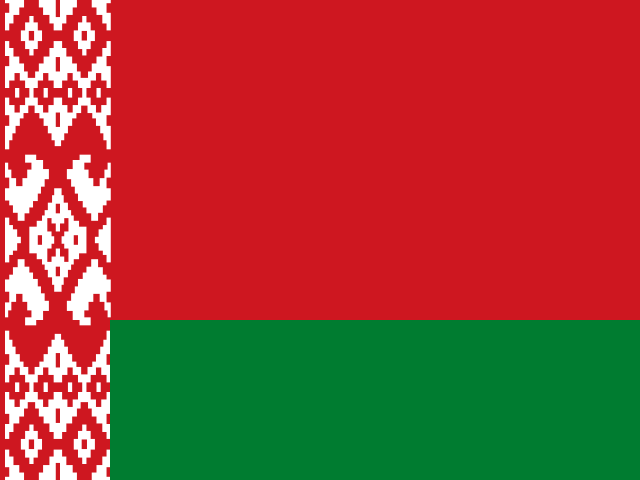
Every fact about the flag, each with what it means.
Proportions
1:22 wide for every 1 high. 49 flags in the catalogue share it.
Properties
Normal flagFIAV symbol: the form of the flag.
Use
Civil, state and military, on land and at seaFIAV symbol: who may fly the flag.
Adopted
19957 June 1995 · 31 years ago
Colours
red
green
white
Reference shades: the official one may vary slightly.
Coat of arms
YesIt carries the coat of arms on the cloth.
Take a closer look
The two stripes
1
The red stripe
2
The green stripe
3
The ornament by the hoist
How it is described
The flag in the words of vexillology and heraldry.
Vexillological description
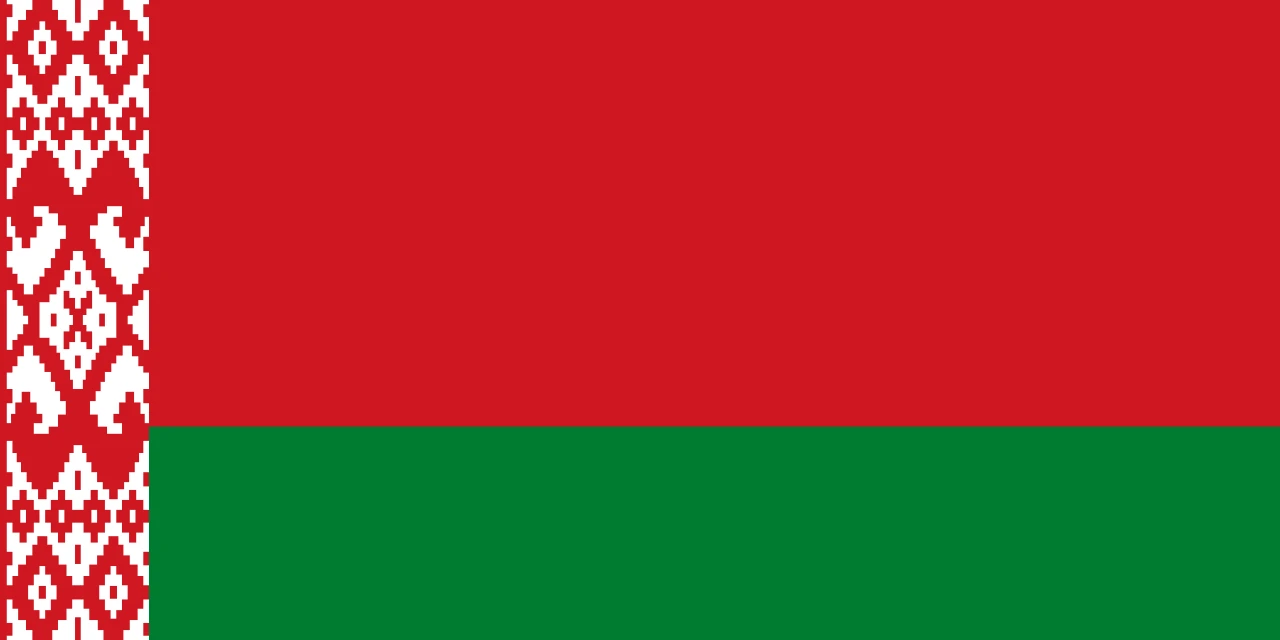
It is a rectangular field with a 1:2 ratio with a decorative stripe on the flagpole side.
Stripes
two horizontal ones, red on top and green below; the red one takes up two thirds of the height.
Ornament
by the flagpole, a vertical white stripe with a geometric red drawing, taken from a motif of traditional peasant embroidery.
Official variant
the flag of the buildings adds near the upper corner of the flagpole the golden outline of the country over a rising sun, between flax and clover branches.
What it carries
Each element and how many of the 1,390 flags in the catalogue carry it. In yellow, the rarest.
Red: the victory and the standards of the old Belarusian armies, from the battle of Grunwald…
1918
The short-lived Belarusian People's Republic had already used it in 1918
1927
In 1927 the letters change
1951
With a turnout of 64.7 %, 75.1 % of voters approved a new design based on the flag of the Soviet…
1991
In 1991, on becoming independent
1995
In 1995, President Alexander Lukashenko called a referendum to change the symbols of the state
2012
In 2012 the ornament is widened
2020
Today it is used by the opposition and by some Belarusians living abroad,…
The full story
How it was born, how it has changed and what it means.
The flag of Belarus has a wide red stripe on top, a narrower green one below and, by the mast, a strip with a red and white drawing. It is almost identical to the one of the Soviet era. Belarus has had two very different flags since its independence, and both are still present in the life of the country.
How it came about
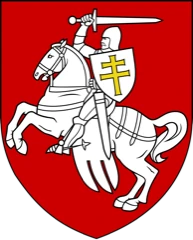
In 1991, on becoming independent, Belarus adopted a white flag with a red stripe in the centre. The short-lived Belarusian People’s Republic had already used it in 1918, and its colours come from the old coat of arms of the country: a white knight on a red ground.
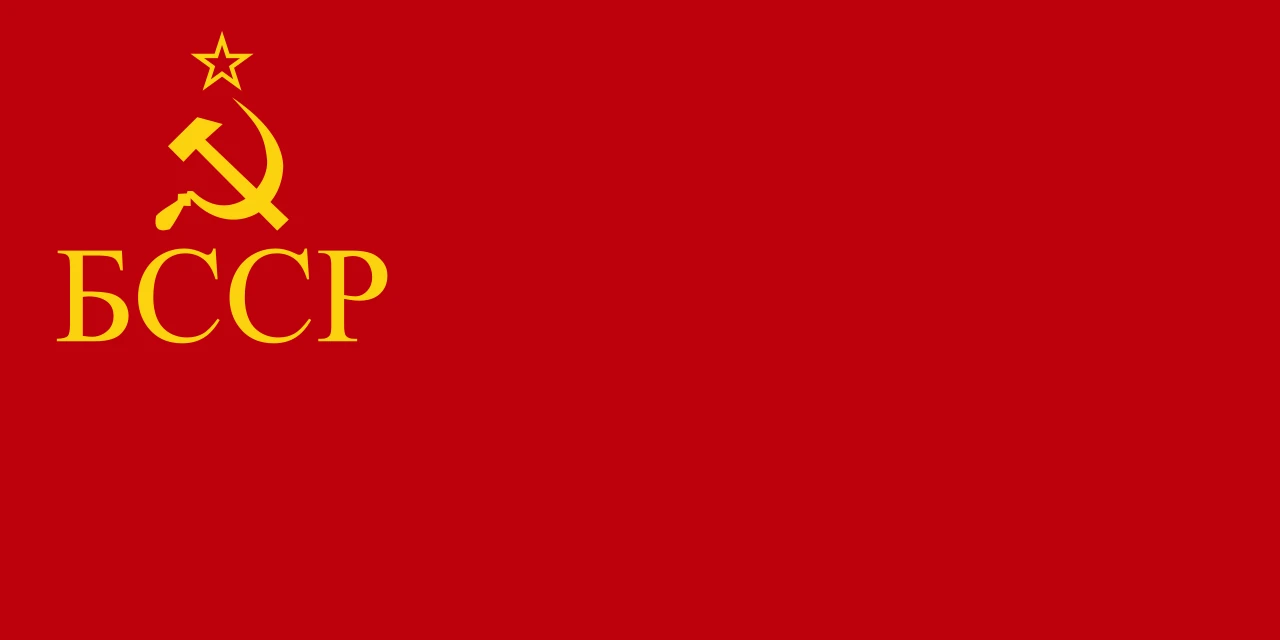
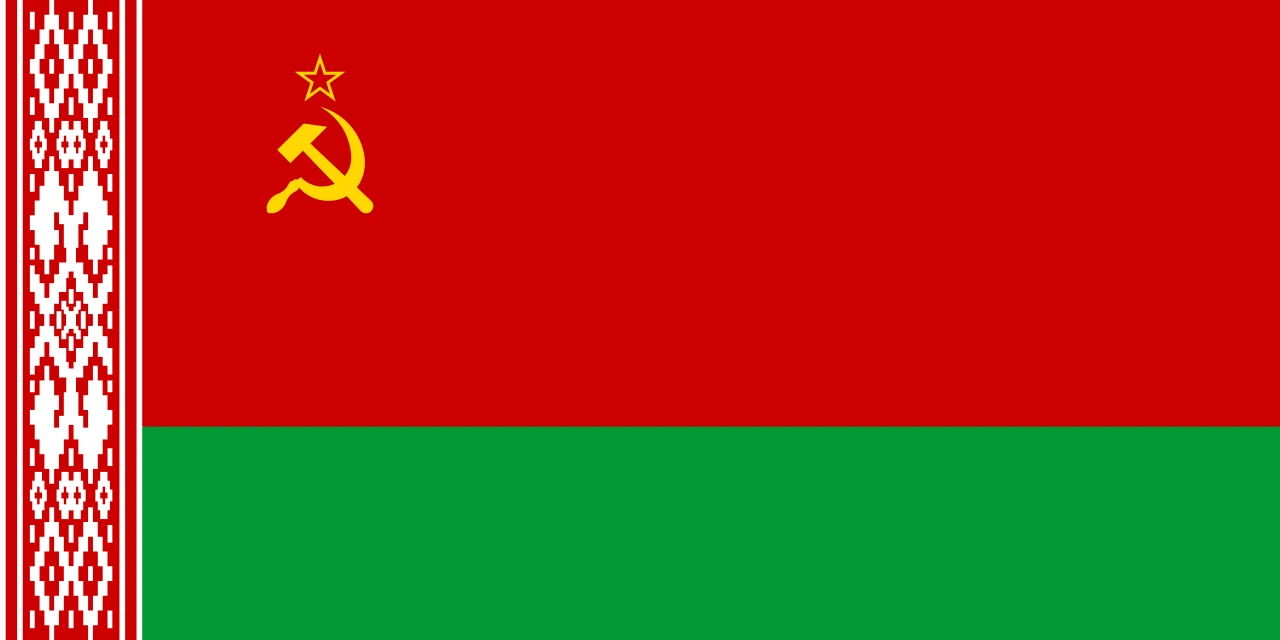
In 1995, President Alexander Lukashenko called a referendum to change the symbols of the state. With a turnout of 64.7 %, 75.1 % of voters approved a new design based on the flag of the Soviet republic of 1951, without the sickle, the hammer or the star. The opposition criticised how the consultation was organised and questioned its legality. The new flag was adopted on 7 June 1995.
How it has changed
The flag has changed every time the regime has changed.
Belarus had its own seat at the United Nations and needed a distinct flag: the green stripe and the traditional ornament appear.
1991-1995
With independence, the white, red and white flag of 1918 returns.
1995
After the referendum, the current flag is adopted. In 2012 the ornament is widened, from a twelfth to a ninth of the length, and it fills the whole white strip.
What it means
According to the official explanation:
Red
the victory and the standards of the old Belarusian armies, from the battle of Grunwald in 1410 to the Second World War.
Green
hope, spring, and the forests and fields of the country.
Ornament
traditional folk culture and the unity of the people.
The white, red and white flag has not been official since 1995. Today it is used by the opposition and by some Belarusians living abroad, and it was one of the main symbols of the protests of 2020. The authorities consider it an unregistered symbol, and displaying it can end in detention.
Fun facts
A hand-woven ornament
The drawing by the mast comes from a rushnik, a traditional cloth that the craftswoman Matrona Markévich wove in 1917. The original was lost, but its brother formed part of the commission that designed the flag of 1951.
The bandage of Grunwald
According to a legend, the white and red flag was born in 1410, when a wounded warrior raised a bloodstained bandage as a standard. No document confirms it, and the flags of Austria and Latvia have almost identical legends.





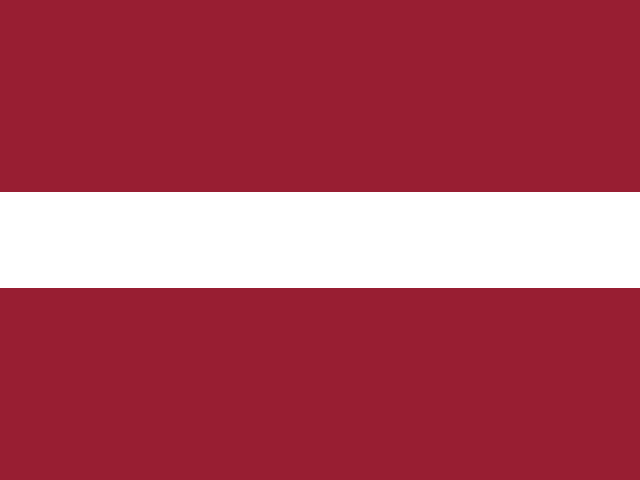 Latvia
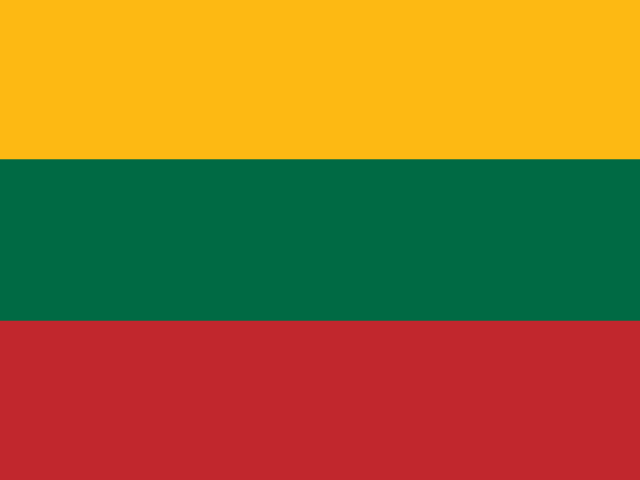 Lithuania
 Poland
 Russia
 Ukraine