In 1840, the future general Guillaume Henri Dufour promoted a common flag for the whole army
2017
In 2017 a law finally fixes that the flag is square and exactly how large the cross is
The full story
How it was born, how it has changed and what it means.
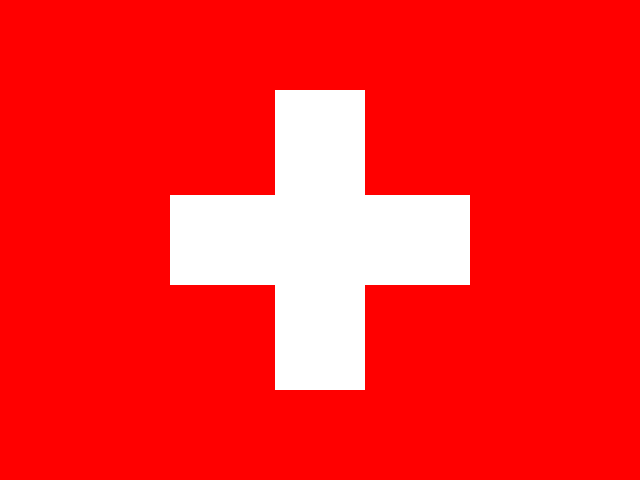
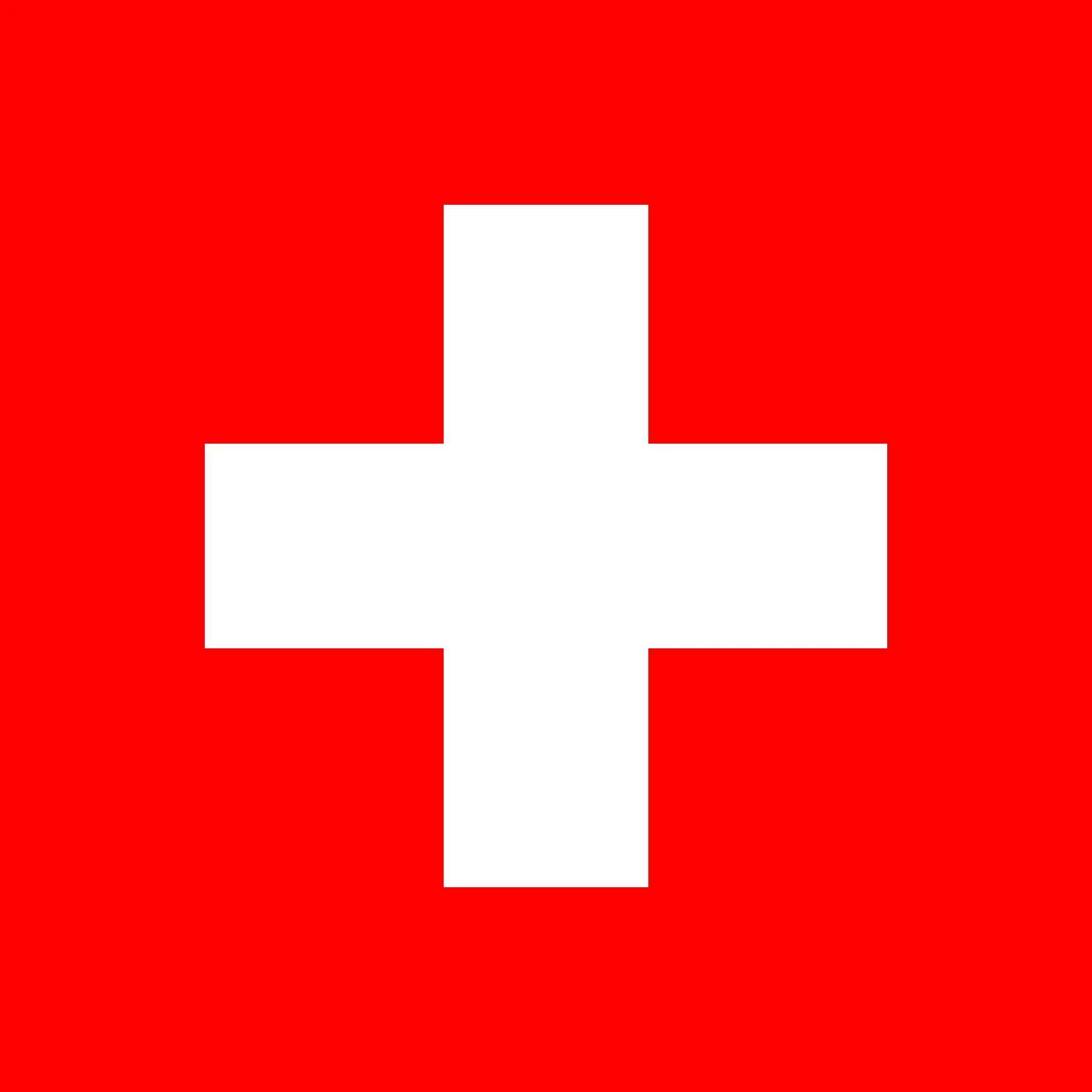
The flag of Switzerland is a red square with a white cross in the centre. Only two countries in the world have a square flag: Switzerland and the Vatican. Its cross, of equal arms, is so recognisable that it served as the model for another famous symbol, that of the Red Cross.
How it came about
The white cross is very old. At the Battle of Laupen, in 1339, the soldiers of the Swiss cantons (the territories that make up the country) already wore it sewn onto their clothes to recognise each other. It probably comes from the red flag of the canton of Schwyz, which also gave Switzerland its name.
For centuries each canton had its own flag. In 1840, the future general Guillaume Henri Dufour promoted a common flag for the whole army, and in 1841 Carl Stauffer drew the model that was sent to the cantons: a red square with the white cross in the middle.
How it has changed
The idea has been the same from the start; what has changed is the shape of the cross.
1840
First common military flag. The cross is made of five equal squares, so it is short and thick.
1848
It becomes the symbol of the new federal state.
1889
The arms are lengthened: each one is a sixth longer than it is wide. In 2017 a law finally fixes that the flag is square and exactly how large the cross is.
What it means
The Swiss flag has no official explanation. What is known is where each part comes from:
Red
the ground of the flag of Schwyz, one of the cantons that founded the Confederation.
White cross
the sign the confederates used in battle from the Middle Ages.
Square shape
it copies that of the old Swiss war flags, which were square.
It is sometimes said that the four arms are the four languages of the country. It is a nice idea, but it has no historical basis whatever.
Fun facts
At sea it is rectangular
Since 1941, Swiss ships have flown an elongated version, in a 2:3 ratio, like most flags.
The Red Cross, reversed
The symbol of the Red Cross is the Swiss flag with the colours inverted. It was chosen that way in honour of Switzerland.
It is never upside down
Because it is symmetrical it does not matter how it is hung: it always looks right. That of the Vatican, the other square flag, is not so lucky.
No special treatment at the Games
The Olympic Committee asks for rectangular flags, and Switzerland did not get an exception, unlike Nepal.



 Austria
 France
 Italy
 Liechtenstein
 Germany