Skip to content

Wiki Banderas
Open menu

Flag of Italy

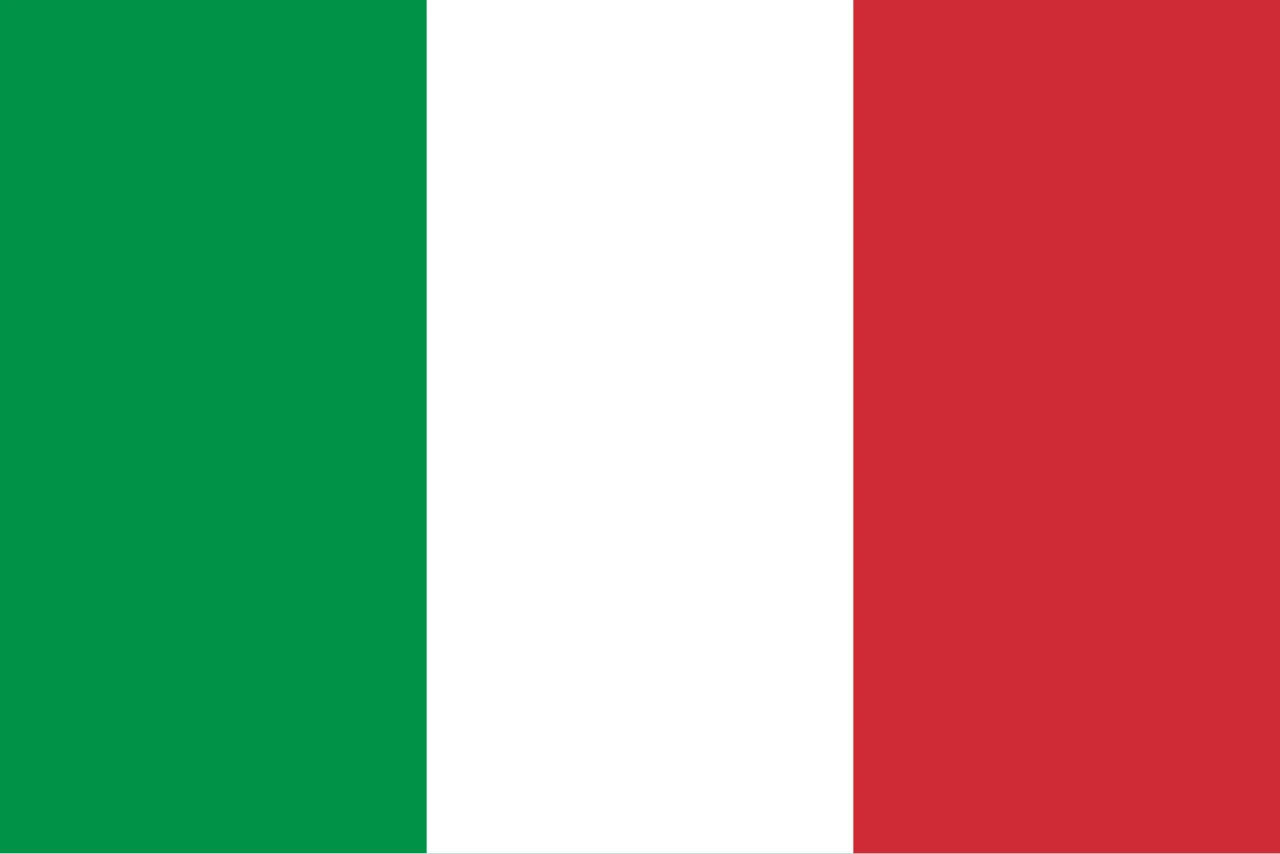
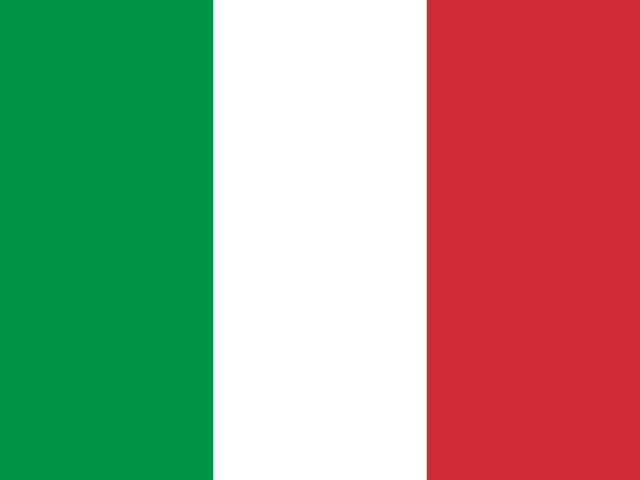
Three vertical stripes in green, white and red, born in 1797 inspired by the French flag and ended up becoming the symbol of Italy.

Flag of Italy
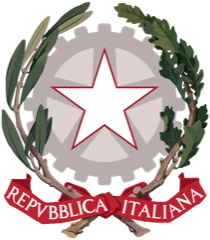
Coat of arms

The flag, in figures

Every fact about the flag, each with what it means.

Proportions
2:33 wide for every 2 high. 989 flags in the catalogue share it.
Properties
Normal flagFIAV symbol: the form of the flag.
Use
Civil, state and militaryFIAV symbol: who may fly the flag.
Adopted
194619 June 1946 · 80 years ago
Colours
  • green
  • white
  • red
Reference shades: the official one may vary slightly.
Coat of arms
YesIt carries the coat of arms on the cloth.
123

Take a closer look

  1. The three stripes

  2. 1

    The green stripe

  3. 2

    The white stripe

  4. 3

    The red stripe

How it is described

The flag in the words of vexillology and heraldry.

Vexillological description

It is a rectangular field with a 2:3 ratio and three equal vertical stripes.

Stripes
green next to the flagpole, white in the middle and red at the end, of the same width.
Field
the national flag carries no coat of arms or figures.
Detail
the 2006 decree fixed for the first time the official colours and the width of each stripe: an exact third of the length.

What it carries

Each element and how many of the 1,390 flags in the catalogue carry it. In yellow, the rarest.

Its history in dates

Every date in its story, at a glance.

  1. 1796

    In 1796 Napoleon’s army reached Italy

  2. 1797

    On 7 January 1797, in Reggio Emilia

The full story

How it was born, how it has changed and what it means.

The flag of Italy has three equal vertical stripes: green, white and red. The Italians call it il Tricolore. It is almost identical to that of Mexico, which is distinguished by the coat of arms in the centre.

How it came about

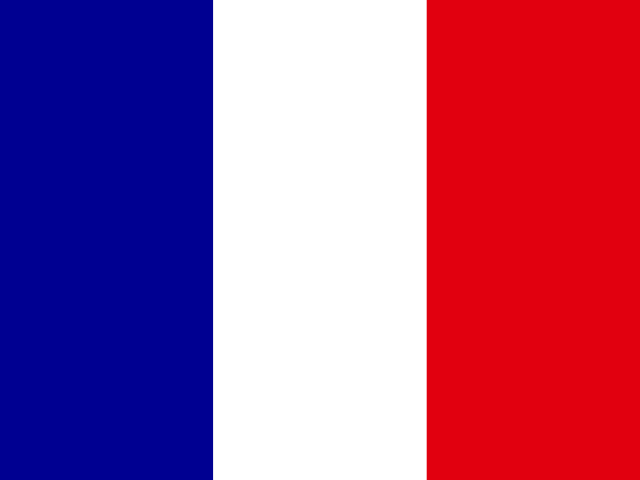
In the late eighteenth century the ideas of the French Revolution reached Italy, which was then divided into many states. Its supporters copied the French tricolour, but changed the blue for green. The most accepted explanation is that the green and white were the colours of the uniform of the Milanese militia, and the white and red those of the coat of arms of the city.

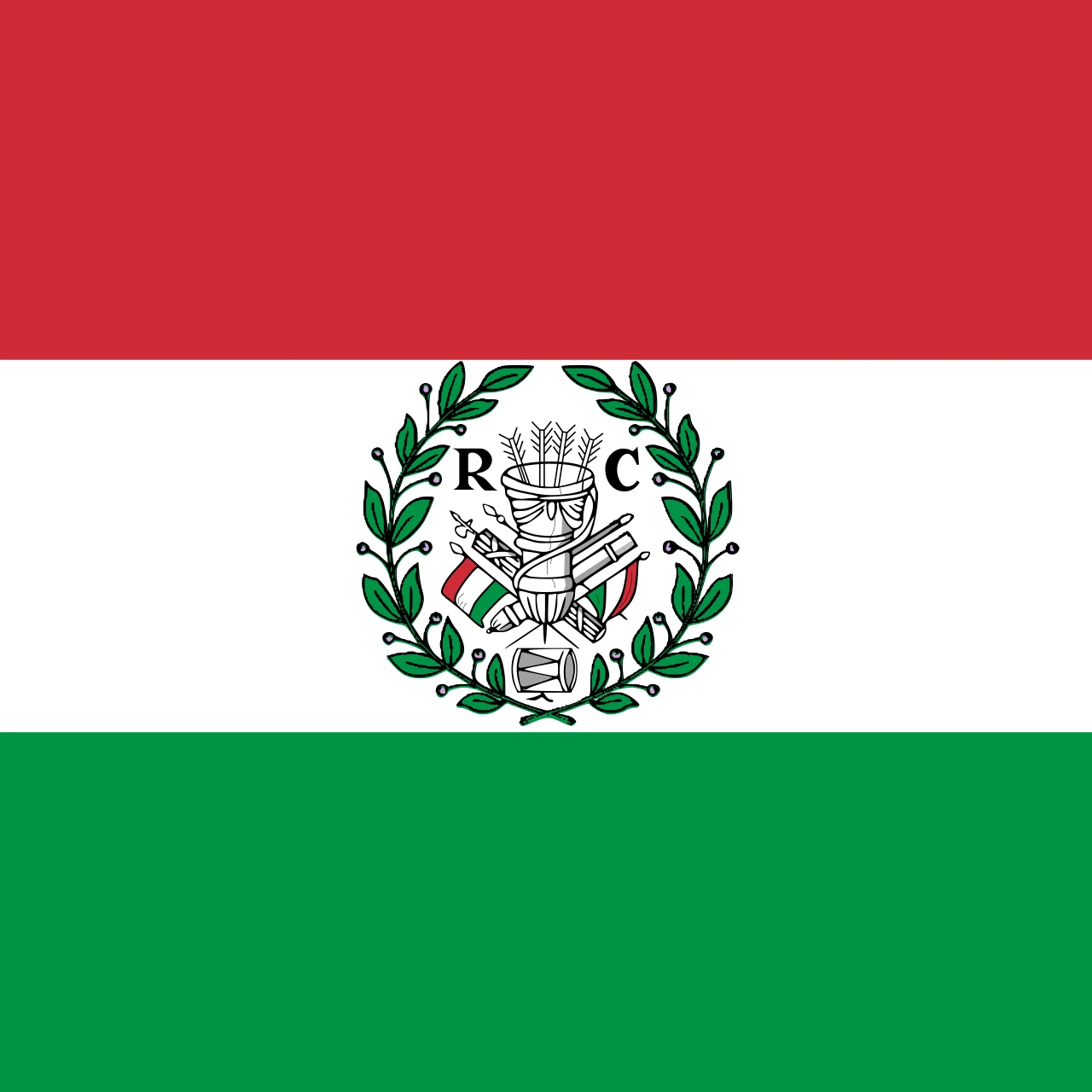
In 1796 Napoleon’s army reached Italy. That year, the Lombard Legion, a unit of Italian soldiers in his service, received a green, white and red standard. On 7 January 1797, in Reggio Emilia, the Cispadane Republic adopted the tricolour as its own flag. The proposal was by Giuseppe Compagnoni, remembered as the “father of the Tricolore”. It was the first time that an Italian state made it its own.

How it has changed

The colours have never changed; the direction of the stripes and the coat of arms have.

  1. Flag of the Cispadane Republic, with horizontal red, white and green stripes and an emblem in the centre
    derivative work · CC0

    1797

    The Cispadane Republic adopts it with the stripes horizontal.

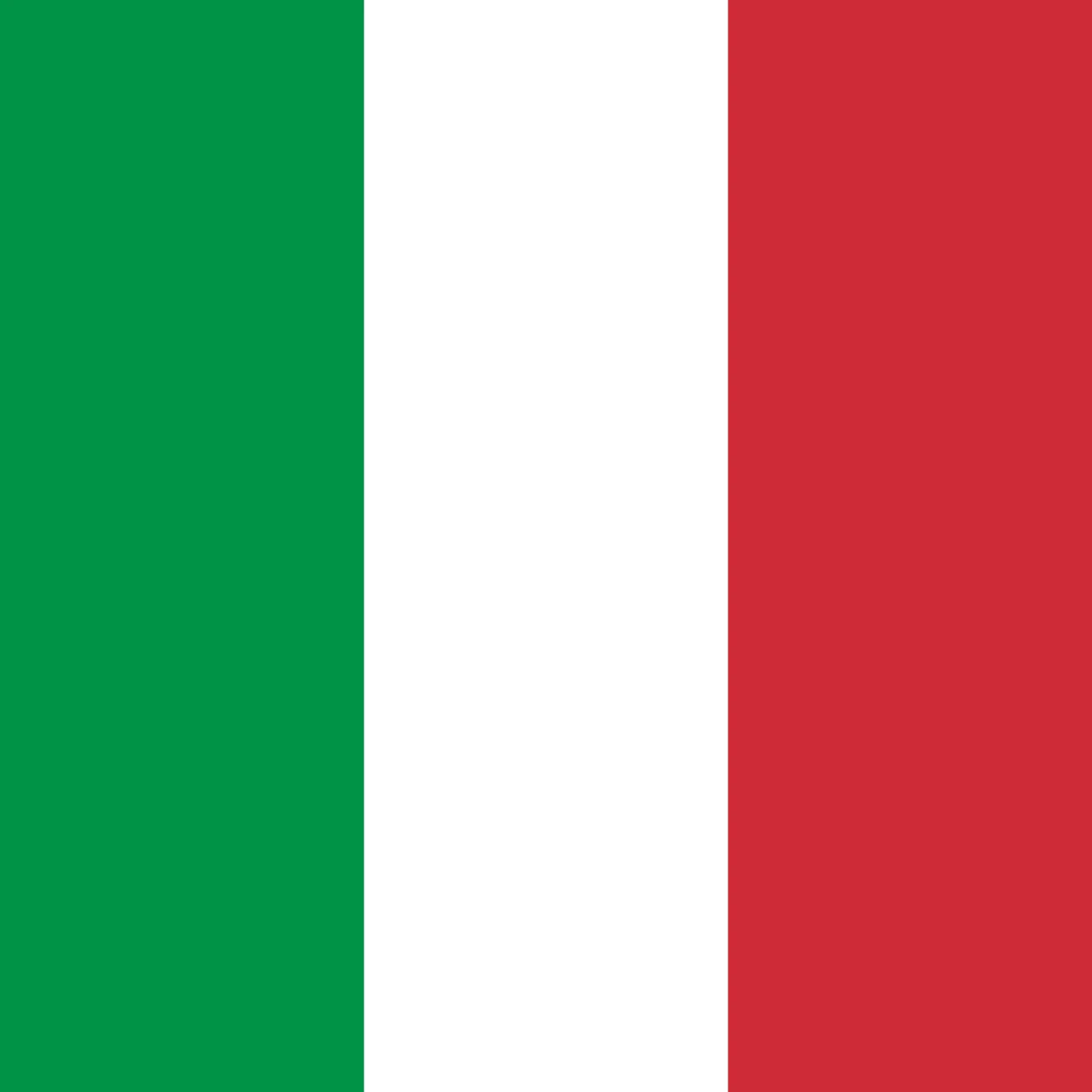
  2. Green, white and red flag with vertical stripes
    PavelD · CC BY-SA 3.0

    1798

    The stripes become vertical. After the fall of Napoleon it is banned in much of Italy and becomes the symbol of those who want to unify the country.

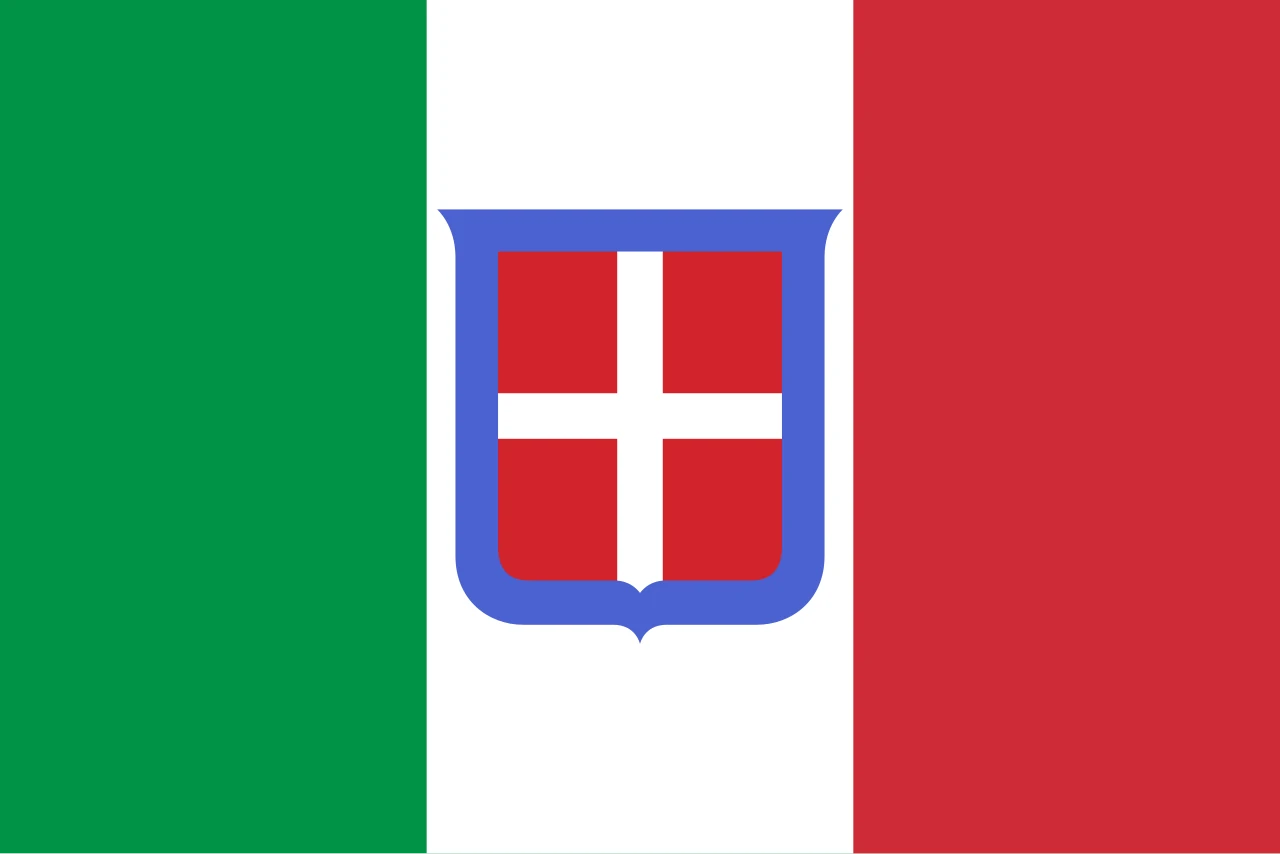
  3. Italian tricolour with the coat of arms of the House of Savoy in the centre
    F l a n k e r · Public domain

    1861-1946

    The Kingdom of Italy is born, and uses it with the coat of arms of the royal family, the House of Savoy, in the centre.

  4. Current flag of Italy

    1946

    The Italians vote for the republic and the coat of arms disappears: from 19 June the flag is only green, white and red.

What it means

There is no official meaning, but there are two popular readings:

  • Green

    hope, or the meadows of Italy.

  • White

    faith, or the snow of the Alps.

  • Red

    charity, or the blood spilled in the wars of independence.

None of them explains its real origin: the colours of Milan and the French model.

Fun facts

  1. A struck-out “green”

    The oldest document mentioning the Italian tricolour dates from May 1796 and is kept in Cherasco, in Piedmont. In it, someone struck out the word “green” and wrote “blue” over it, the French colour.

  2. A day for the flag

    Since 1996, Italy celebrates the Festa del Tricolore every 7 January, in memory of the Reggio Emilia session of 1797. The hall where the vote was held is now called the Sala del Tricolore.

  3. The controversy of the shades

    In 2003 official flags appeared with darker colours and there were complaints. The Government spoke of a technical error and in 2006 fixed the official shades: fern green, brilliant white and scarlet red.

Country facts

Where it is and what borders it.

Capital
Rome
Area
301,336 km²
Country
Italian Republic
Continent
Europe
Subregion
Southern Europe
Independent state
Yes
UN member
Yes
ISO code
ITA · IT

How much have you learnt?

Test what you have read about the flag of Italy.

  1. 1. Which one is the flag of Italy?

  2. 2. What are the proportions (height:width) of the flag?

  3. 3. In which year was the current flag adopted?

Sources

Text based on the article “Bandera de Italia” from the Spanish Wikipedia, published under the licence CC BY-SA 4.0.

Sources consulted:

Credits

Flag image: See below., Wikimedia Commons · Public domain.

More flags

Accessibility preferences

Accessibility statement

Quick profiles

Text and reading

Text size
Default
Line height
Default
Letter spacing
Default
Word spacing
Default

Colour

Motion and orientation

Cursor