Every fact about the flag, each with what it means.
Proportions
11:1818 wide for every 11 high. 4 flags in the catalogue share it.
Properties
Normal flagFIAV symbol: the form of the flag.
Use
CivilFIAV symbol: who may fly the flag.
Adopted
191829 May 1918 · 108 years ago
Colours
White
Blue
Reference shades: the official one may vary slightly.
Coat of arms
YesIt carries the coat of arms on the cloth.
Nickname
Siniristilippu (the blue cross flag)
Designer
Eero Snellman and Bruno Tuukkanen
Take a closer look
Cross
Measurements
Field
How it is described
The flag in the words of vexillology and heraldry.
Vexillological description
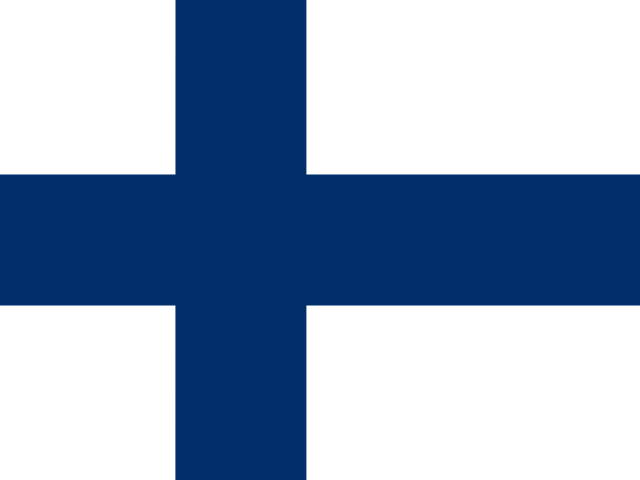
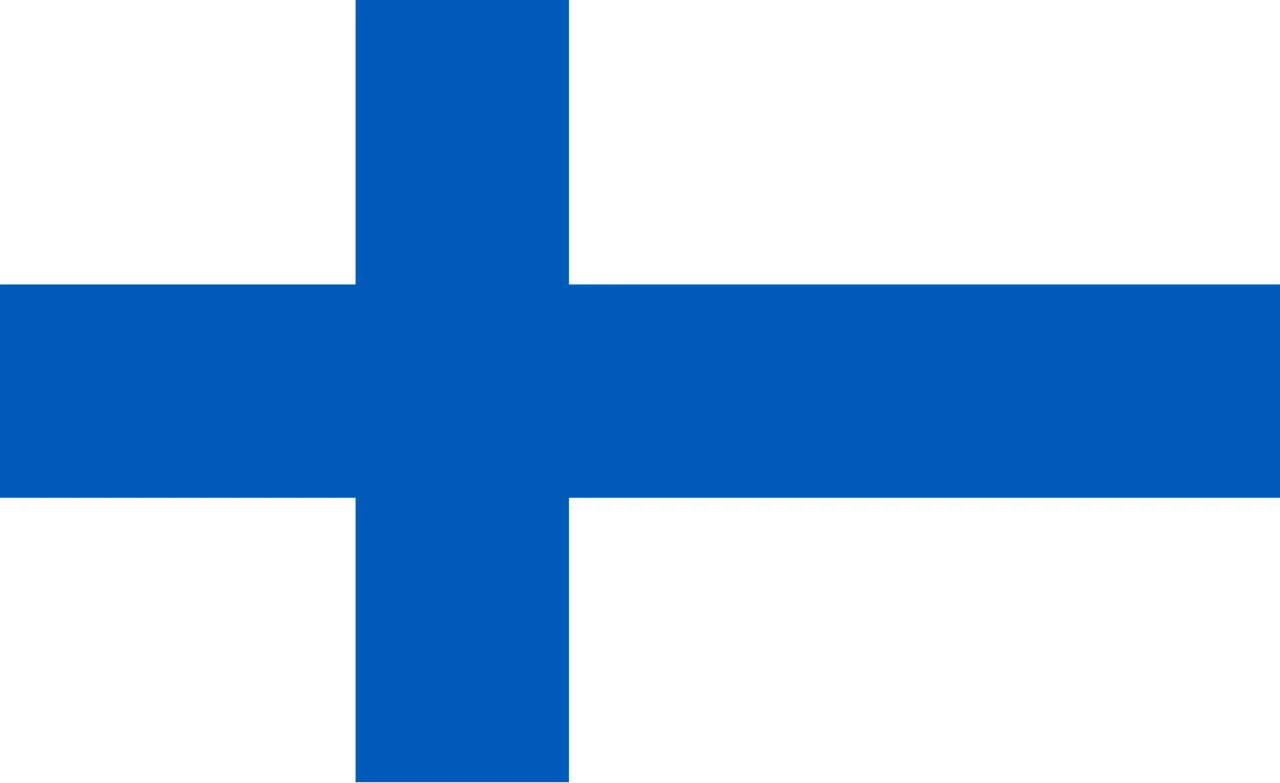
It is a rectangular field with an 11:18 ratio, white, with a blue Nordic cross shifted towards the flagpole.
Cross
blue, with arms 3 units wide over a total height of 11.
Measurements
the law fixes them all: from the flagpole to the cross, 3 units; from the cross to the right edge, 7; from the top to the horizontal arm, 4, and below, 4.
Field
no other figures: only the cross.
What it carries
Each element and how many of the 1,390 flags in the catalogue carry it. In yellow, the rarest.
Finland was part of Sweden for centuries and, from 1809, a grand duchy inside the Russian Empire
1861
A yacht club in Helsinki was already sailing with a blue cross on white from 1861
1917
Finland became independent in December 1917 and a civil war immediately broke out between…
1918
When the war ended, red recalled the defeated too much, and on 29 May 1918 a law chose the blue…
1978
A 1978 law fixes the exact tone and the measurements
The full story
How it was born, how it has changed and what it means.
The flag of Finland is white with a blue cross. It is a Nordic cross, shifted towards the flagpole like those of its Nordic neighbours. Many Finns see it as a portrait of their country: the snow of winter and the blue of their lakes.
How it came about
Finland was part of Sweden for centuries and, from 1809, a grand duchy inside the Russian Empire. In the mid-19th century the question of what flag it should have began to be discussed. A yacht club in Helsinki was already sailing with a blue cross on white from 1861. The proposal to make blue and white the colours of the country is attributed to the writer Zacharias Topelius.
Finland became independent in December 1917 and a civil war immediately broke out between the ‘Whites’, the government, and the ‘Reds’, the revolutionaries. Meanwhile red and yellow provisional flags were used. When the war ended, red recalled the defeated too much, and on 29 May 1918 a law chose the blue cross on white. The final design was prepared by the artists Eero Snellman and Bruno Tuukkanen.
How it has changed
The blue cross has not changed since 1918; only the tone has been darkened.
First blue cross flag, with a lighter blue than today’s.
1920
The blue is darkened. A 1978 law fixes the exact tone and the measurements.
What it means
The law does not explain the colours, but there is a reading almost everybody knows:
White
the snow that covers the country in winter.
Blue
the lakes and the sky. Finland has 187,888 lakes of more than 500 square metres, which is why it is called ‘the land of a thousand lakes’.
Nordic cross
the belonging to the Nordic countries, as on the flags of Sweden, Denmark or Iceland.
Fun facts
The only night with the flag
Normally the flag is lowered at dusk. But on Midsummer’s Eve it flies all night, from six in the afternoon of the day before until nine in the evening of Midsummer Day, because on those dates it does not get dark anywhere in Finland.
It was born in a yacht club
Before being the flag of the country, the blue cross on white was, from 1861, that of a yacht club in Helsinki, the Nyländska Jaktklubben.
Unveiled on an icebreaker
The first official flag of the independent Finnish state was red with a golden lion. It was hoisted for the first time on 28 December 1917 on an icebreaker.
Buy the flag
Buy the flag on AmazonAffiliate link: if you buy, Wiki Banderas receives a small commission.
Buy the flag on AmazonAffiliate link: if you buy, Wiki Banderas receives a small commission.




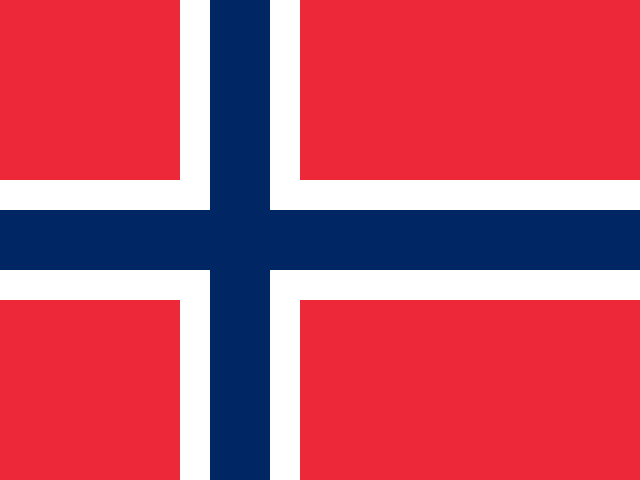 Norway
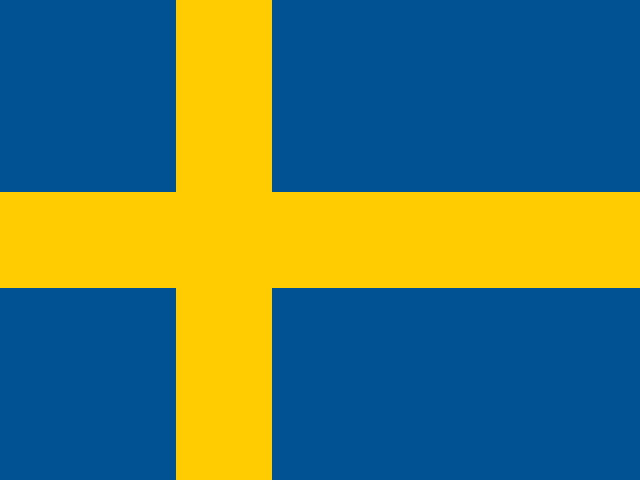 Sweden
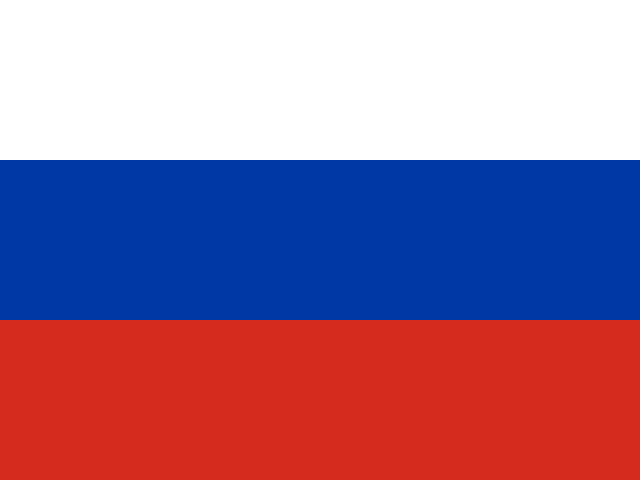 Russia