Every fact about the flag, each with what it means.
Proportions
8:1111 wide for every 8 high. 5 flags in the catalogue share it.
Properties
Normal flagFIAV symbol: the form of the flag.
Use
Civil, state and militaryFIAV symbol: who may fly the flag.
Adopted
182113 July 1821 · 205 years ago
Colours
Red
White
Blue
Reference shades: the official one may vary slightly.
Coat of arms
YesIt carries the coat of arms on the cloth.
Designer
Fredrik Meltzer
Take a closer look
The red cloth
1
The Nordic cross
2
The white edges
How it is described
The flag in the words of vexillology and heraldry.
Vexillological description
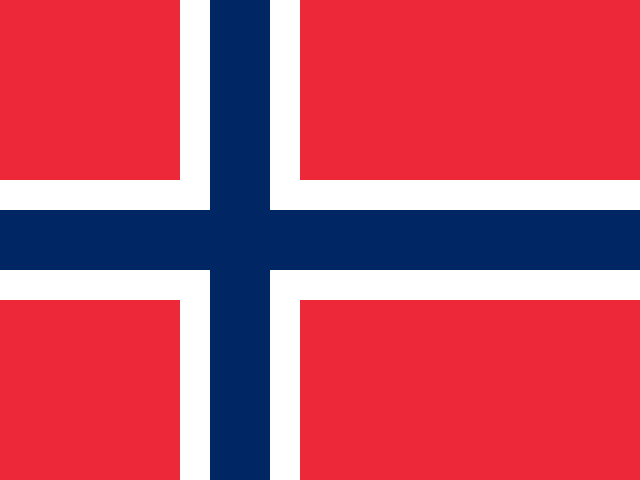
It is a rectangular field with an 8:11 ratio with a blue Nordic cross bordered with white on a red field.
Cross
blue, with a white border on each side, shifted towards the flagpole like the Danish one.
Measurements
the 1899 resolution gives them all, over a height of 8 and a width of 11: the whole cross measures 2 units wide, the vertical arm is 3 from the flagpole and the horizontal one 2 from the top.
Colours
red, white and blue, like those of the French Revolution and of the United States, which is where the 1821 idea comes from.
What it carries
Each element and how many of the 1,390 flags in the catalogue carry it. In yellow, the rarest.
In 1821 the deputy Fredrik Meltzer presented the one used today
1838
Until 1838 ships may not carry it south of Cape Finisterre
1905
In 1905 Norway separates from Sweden
The full story
How it was born, how it has changed and what it means.
The flag of Norway is red, with a blue cross edged in white. It is a Nordic cross, the cross shifted towards the flagpole that the Scandinavian countries share. Its three colours were chosen as a message of freedom.
How it came about
For more than four centuries Norway was joined to Denmark and used its flag, the Dannebrog: a white cross on a red field. In 1814 Denmark had to cede it to Sweden. Norway took the chance to give itself a proper constitution and, although it ended up sharing a king with Sweden, it kept its own government.
A flag was missing. In 1821 the deputy Fredrik Meltzer presented the one used today. He set aside the red and white proposals because they looked too much like the Danish one. He preferred to add blue, because red, white and blue were the colours of free countries such as France, the Netherlands, the United Kingdom and the United States. Parliament approved it, but the king only authorised it for civil use, on 13 July 1821.
How it has changed
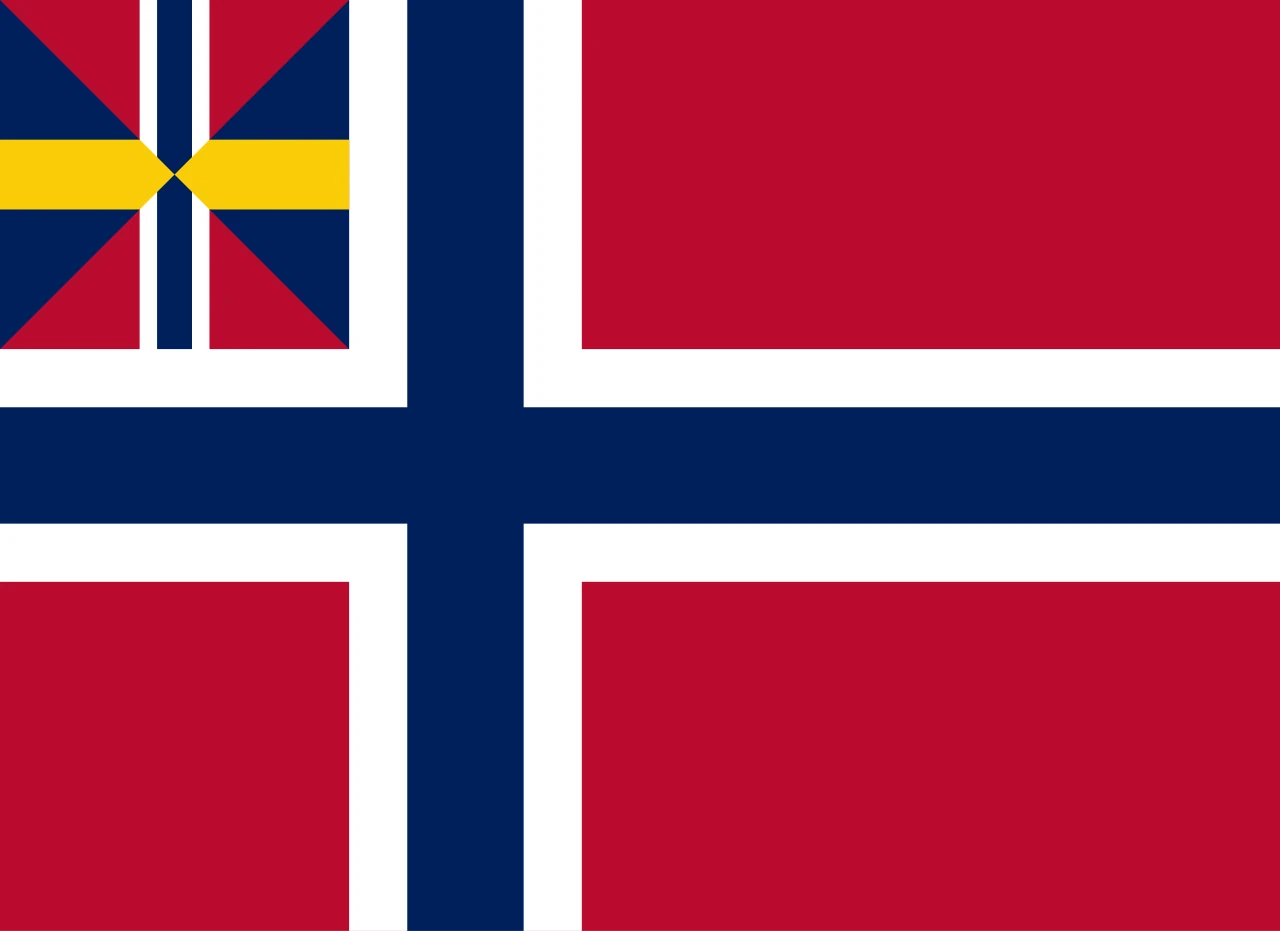
Meltzer’s design has not changed, but during the union with Sweden it had to share the space.
Norway and Sweden add to their flags a common symbol that mixes the colours of the two.
1899
A law passed without the king’s signature removes the union symbol from the civil flag. In 1905 Norway separates from Sweden.
What it means
Meltzer explained his reasons, so the meaning is fairly clear:
Red, white and blue
freedom, because they were the colours of the countries Meltzer saw as free.
Nordic cross
the ties with the Scandinavian neighbours. The crosses of Denmark and Sweden belong to the same family.
Blue cross inside the white one
it is usually read as the Danish flag with Sweden’s blue on top, although Meltzer did not put it that way.
Fun facts
A herring salad
The symbol of the union with Sweden mixed so many colours that the Norwegians mockingly called it ‘herring salad’, after a typical dish of similar appearance.
Forbidden south of Finisterre
Until 1838, Norwegian ships sailing beyond Cape Finisterre, in Galicia, had to hoist the Swedish flag. Swedish ships were protected from the pirates of North Africa by treaties, but that protection did not cover the new Norwegian flag.
The mother of all flags
Covering parts of the Norwegian flag other flags appear: France’s, the Netherlands’, Poland’s, Indonesia’s, Thailand’s or Finland’s. That is why it is sometimes called ‘the mother of all flags’.
Buy the flag
Buy the flag on AmazonAffiliate link: if you buy, Wiki Banderas receives a small commission.




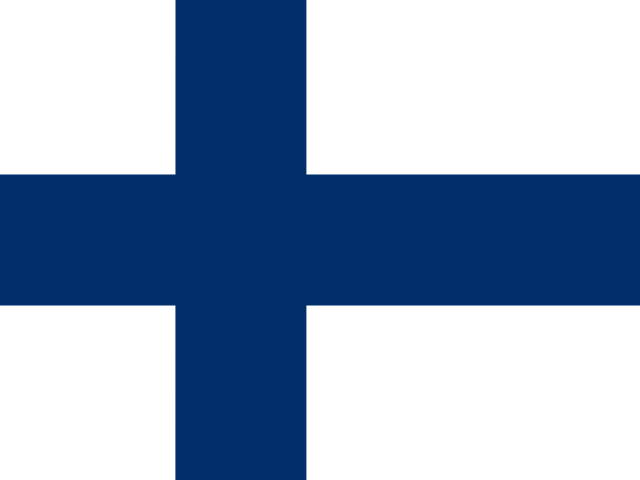 Finland
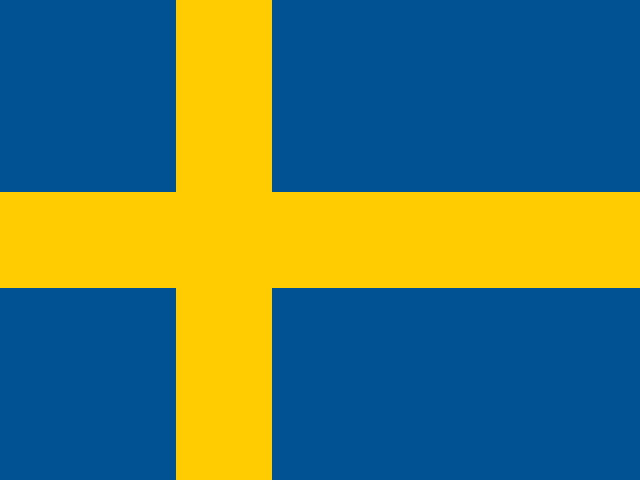 Sweden
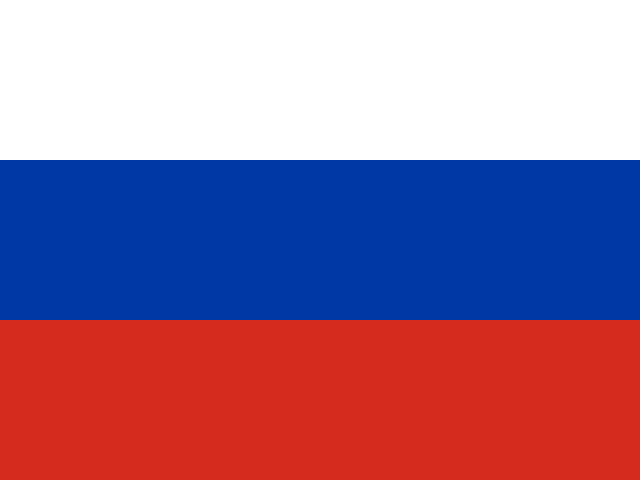 Russia